Blender Pauses iPad Development to Prioritize Android Version
Blender, the renowned open-source 3D creation suite, has recently announced a strategic shift in its development priorities. The team has decided to pause the development of the iPad version to concentrate on bringing Blender to Android tablets.
Background and Initial Announcement
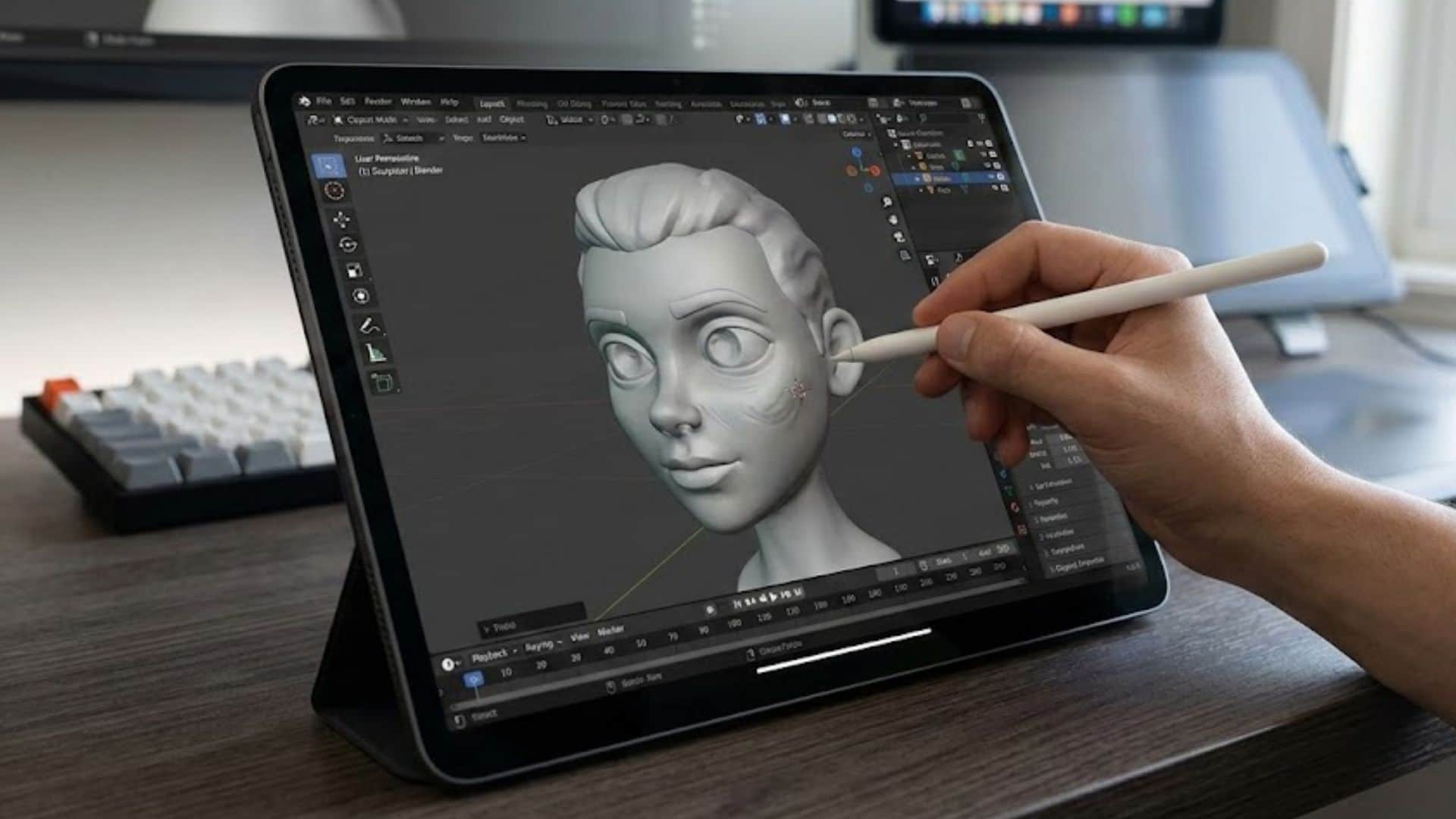
In the summer of 2025, Blender’s development team unveiled ambitious plans to adapt their comprehensive 3D creation software for the iPad Pro. A working demonstration was even showcased at the SIGGRAPH conference, generating significant excitement among the creative community. However, recent developments indicate a change in direction.
Official Statement and Community Engagement
An update on Blender’s GitHub repository for the iOS project has made it clear that development is paused until further notice. This decision was further confirmed when a community member offered assistance with the iOS development, prompting Blender developer Dalai Felinto to explain the team’s current focus on the Android tablet version, thereby placing the iPad app on hold.
Challenges in Adapting Blender for Touch Interfaces
Translating Blender’s intricate, interface-rich desktop application to touch-based platforms presents substantial challenges. Open-source projects like Blender thrive on community testing and rapid iteration. The Android platform facilitates this process through straightforward sideloading of test builds. In contrast, Apple’s ecosystem requires developers to navigate the complexities of TestFlight, involving meticulous management of user IDs and permissions, which can impede swift development cycles.
Strategic Focus on Android Development
By prioritizing the Android version, the Blender team aims to streamline the testing and refinement of the new touch interface. Once the core user experience is optimized on the more accessible Android platform, these insights can potentially be applied to the iPad version in the future.
Licensing and App Store Considerations
Another factor influencing this decision is the compatibility between Blender’s General Public License (GPL) and Apple’s stringent App Store policies. The GPL’s requirements may conflict with Apple’s guidelines, adding another layer of complexity to the iPad app’s development.
Future Prospects for Blender on iPad
Despite the current pause, the project has not been abandoned. Modern Apple tablets possess the hardware capabilities to run Blender effectively. The primary obstacles are resource allocation and development logistics. Therefore, individuals considering purchasing an iPad Pro specifically for Blender may want to hold off, as a public release is not imminent.
Conclusion
Blender’s decision to focus on Android development reflects a strategic approach to overcoming the challenges associated with adapting their software for touch interfaces. By leveraging the more flexible Android platform, the team aims to refine the user experience before revisiting the iPad version. While this shift may disappoint some iOS users, it underscores Blender’s commitment to delivering a high-quality, user-friendly product across multiple platforms.