Blender’s iPad App Development Halted as Focus Shifts to Android Tablets
The Blender Foundation has announced an indefinite pause in the development of its highly anticipated iPad application, redirecting its efforts toward Android tablet compatibility. This strategic shift underscores the challenges open-source projects face within Apple’s restrictive ecosystem and highlights the foundation’s commitment to broader accessibility.
Initial Announcement and Development Plans
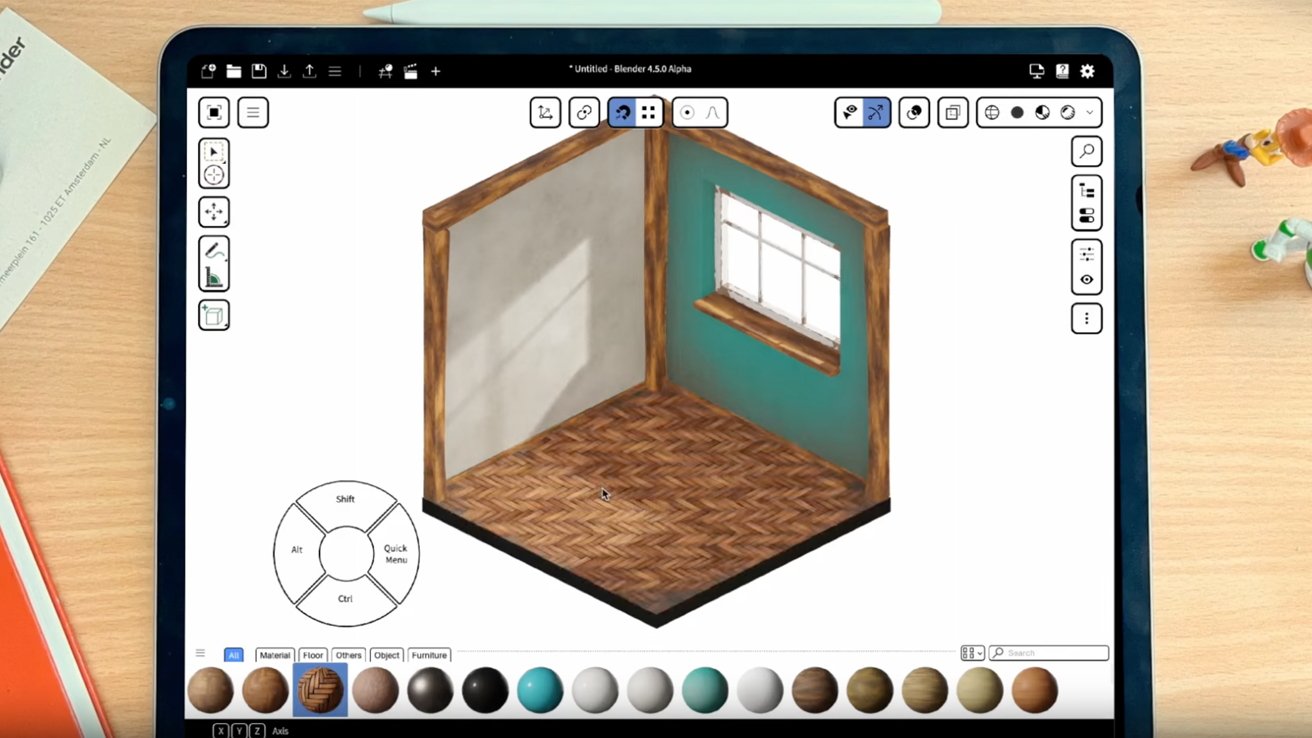
In June 2025, the Blender Foundation unveiled plans to develop a native version of its renowned 3D creation software for the iPad Pro. The initiative aimed to harness the iPad’s advanced hardware capabilities, particularly the Apple Pencil, to offer a comprehensive 3D modeling and animation experience on a portable device. The proposed application was set to include features such as sculpting, basic object manipulation, and, in subsequent updates, tools like the Grease Pencil for storyboarding and animation.
Project Suspension and Shift to Android
By January 2026, the Blender team updated its project page, indicating that the iPad development was on hold. Dalai Felinto, a key member of the Blender team, stated that the focus would now be on developing for Android tablets first. This decision was first brought to public attention by art educator and YouTuber Brad Colbowl. The foundation has not provided specific reasons for this shift, leaving the community speculating about the underlying factors.
Challenges with Apple’s App Store Policies
One plausible explanation for the project’s suspension is the restrictive nature of Apple’s App Store policies. Blender operates under the GNU General Public License (GPL), which mandates that any distributed software must remain free and open-source. Apple’s App Store guidelines, however, impose constraints that can conflict with the GPL, particularly concerning app distribution and monetization. These policies have historically posed challenges for open-source applications seeking to enter the iOS ecosystem.
Community Reactions and Implications
The decision to halt the iPad app’s development has elicited mixed reactions within the Blender community. Many users had eagerly anticipated the ability to use Blender on the iPad, envisioning a seamless integration of the software’s robust features with the iPad’s intuitive touch interface. The shift to Android tablets suggests a strategic move to platforms that offer more flexibility for open-source software distribution.
Future Prospects and Open-Source Considerations
While the iPad app’s development is currently paused, the Blender Foundation has not entirely ruled out the possibility of revisiting the project in the future. The foundation’s decision underscores the broader challenges that open-source projects face when navigating proprietary platforms with stringent policies. By focusing on Android tablets, Blender aims to ensure that its software remains accessible and adheres to its open-source principles without compromise.
Conclusion
The Blender Foundation’s decision to halt the development of its iPad application in favor of Android tablets highlights the complex interplay between open-source software and proprietary platforms. As the foundation continues to prioritize accessibility and adherence to its licensing principles, the community remains hopeful for future developments that will bring Blender’s powerful tools to a wider range of devices.