BioticsAI’s AI-Powered Fetal Ultrasound Software Secures FDA Approval
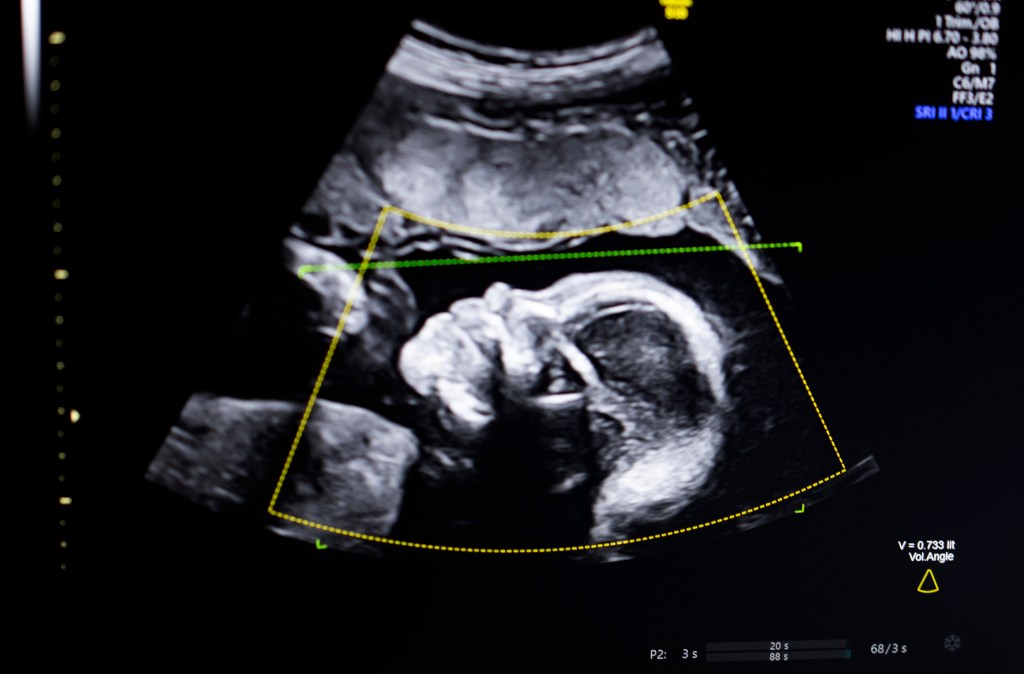
BioticsAI, the victor of TechCrunch Disrupt’s Startup Battlefield in 2023, has achieved a significant milestone by obtaining FDA clearance for its innovative AI-driven software designed to detect fetal abnormalities in ultrasound images. This development marks a pivotal advancement in prenatal care, aiming to enhance diagnostic accuracy and improve maternal and fetal health outcomes.
Origins and Vision
The inception of BioticsAI is deeply rooted in the personal experiences of its founder and CEO, Robhy Bustami. Raised in a family of obstetricians—including his mother, aunt, and uncle—Bustami was immersed in the medical field from a young age. His formative years were spent accompanying his mother across various hospitals in the United States, witnessing firsthand the challenges and intricacies of maternal care.
With a background in computer science from the University of California, Irvine, Bustami combined his technical expertise with his passion for healthcare. In 2021, he collaborated with Salman Khan, Chaskin Saroff, and Dr. Hisham Elgammal to establish BioticsAI. Their collective goal was to harness artificial intelligence to address critical gaps in prenatal diagnostics.
Technological Innovation
BioticsAI’s platform leverages advanced computer vision AI to enhance the quality and accuracy of fetal ultrasound assessments. The software offers several key functionalities:
– Quality Assessment: Ensures that ultrasound images meet high standards, reducing the likelihood of misdiagnosis due to poor image quality.
– Anatomical Completeness: Verifies that all necessary anatomical structures are captured, providing a comprehensive view of fetal development.
– Automated Reporting: Generates detailed reports automatically, streamlining the documentation process for healthcare providers.
– Seamless Integration: Integrates smoothly into existing clinical workflows, facilitating easy adoption without disrupting established practices.
Bustami emphasized the transformative potential of this technology, stating that prenatal ultrasounds are fundamental in monitoring pregnancies. However, the variability in image quality can lead to diagnostic errors. By implementing AI-driven assessments, BioticsAI aims to mitigate these risks and enhance diagnostic precision.
Addressing Healthcare Disparities
The United States faces significant challenges in maternal health, with some of the poorest prenatal outcomes among high-income nations. Black women, in particular, experience disproportionately high rates of maternal mortality. BioticsAI’s mission is to confront these disparities by providing a tool that delivers consistent and accurate assessments across diverse patient populations.
Bustami highlighted the importance of ensuring the technology’s reliability across all demographics, especially those at higher risk for adverse outcomes. The AI models were trained on a diverse dataset comprising hundreds of thousands of ultrasounds to achieve this goal. The primary challenge was not merely developing the AI models but ensuring their consistent performance in real-world scenarios, particularly among high-risk groups.
Regulatory Journey and Future Plans
Securing FDA clearance was a rigorous process that spanned nearly three years, encompassing extensive testing and validation phases. This journey underscored the necessity of aligning engineering, product development, clinical validation, and regulatory strategies from the outset. Bustami noted that by designing the product, clinical validation, and regulatory pathway concurrently, the team was able to expedite the approval process.
With FDA approval now in hand, BioticsAI is poised to scale its operations across various health systems nationwide. The company also plans to expand its technological capabilities to address broader aspects of fetal medicine and reproductive health. Bustami expressed confidence in the company’s ability to enhance both distribution and clinical impact while continually advancing the power of their technology.
Implications for Prenatal Care
The integration of AI into prenatal diagnostics represents a significant leap forward in maternal-fetal medicine. Traditional ultrasound assessments are highly dependent on the skill and experience of the operator, leading to variability in diagnostic accuracy. By standardizing assessments through AI, BioticsAI’s software has the potential to:
– Reduce Diagnostic Errors: Minimize the incidence of missed or incorrect diagnoses, leading to better-informed clinical decisions.
– Enhance Early Detection: Identify fetal abnormalities at earlier stages, allowing for timely interventions and management strategies.
– Streamline Workflow: Automate aspects of the diagnostic process, reducing the administrative burden on healthcare providers and allowing them to focus more on patient care.
– Promote Equity: Provide consistent diagnostic quality across diverse populations, addressing disparities in maternal health outcomes.
Challenges and Considerations
While the promise of AI in prenatal care is substantial, several challenges must be addressed to realize its full potential:
– Data Privacy: Ensuring the confidentiality and security of patient data is paramount, especially when dealing with sensitive health information.
– Integration with Existing Systems: Healthcare facilities may face challenges integrating new AI technologies with their current infrastructure and electronic health records.
– Training and Adoption: Healthcare providers will require training to effectively utilize AI tools, and there may be resistance to adopting new technologies.
– Regulatory Compliance: Continuous compliance with evolving regulatory standards is necessary to maintain approval and trust in the technology.
Conclusion
BioticsAI’s FDA-approved AI-powered fetal ultrasound software represents a transformative advancement in prenatal diagnostics. By enhancing the accuracy and consistency of ultrasound assessments, this technology holds the potential to improve maternal and fetal health outcomes significantly. As BioticsAI moves forward with scaling its operations and expanding its technological offerings, it stands at the forefront of integrating artificial intelligence into maternal-fetal medicine, paving the way for a future where technology and healthcare converge to provide better care for all.