Baidu’s Robotaxi Fleet in Wuhan Immobilized by System Failure
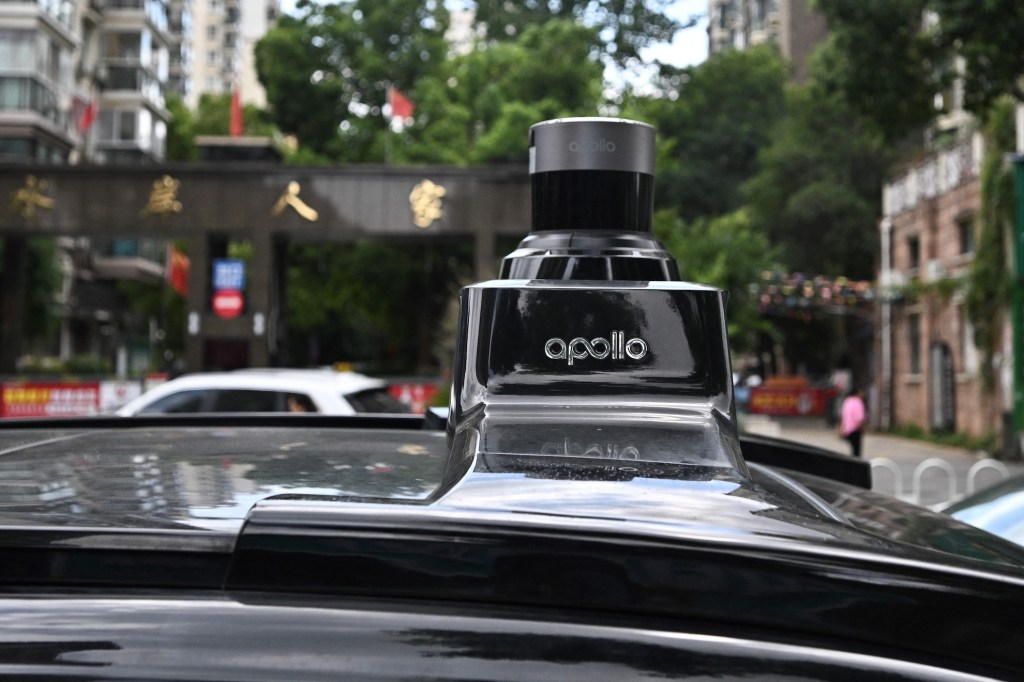
On April 1, 2026, Baidu’s Apollo Go robotaxi service experienced a significant system failure in Wuhan, China, leading to the immobilization of numerous autonomous vehicles and leaving some passengers stranded for up to two hours. The incident has raised concerns about the reliability and safety of autonomous transportation systems.
Incident Overview
The malfunction affected at least 100 robotaxis, causing them to halt unexpectedly, sometimes in hazardous locations such as the fast lanes of roadways. Local authorities described the event as a system failure, though the specific technical issues remain undisclosed. Baidu has yet to provide a detailed explanation for the outage, and investigations by local police are ongoing.
Baidu’s Autonomous Ambitions
Baidu is a leading operator of autonomous vehicles in China and has been expanding its services internationally. In 2025, the company announced plans to deploy over 1,000 autonomous vehicles in Dubai over the coming years. This recent system failure, however, casts a shadow over the company’s ambitious expansion plans and highlights the challenges inherent in scaling autonomous vehicle operations.
Broader Implications for Autonomous Vehicles
The incident in Wuhan is not an isolated case. Similar issues have occurred elsewhere, raising questions about the readiness of autonomous vehicles for widespread deployment. For instance, in December 2025, a widespread power outage in California disrupted traffic signals, causing Waymo’s autonomous vehicles to become stuck at intersections. Waymo later explained that their self-driving system treats non-functional traffic lights as four-way stops, which led to the vehicles requesting confirmation from remote operators, resulting in congestion. The company has since implemented software updates to address this issue.
Safety and Reliability Concerns
These incidents underscore the importance of ensuring the safety and reliability of autonomous vehicle systems. The reliance on remote assistance and the need for human intervention in certain scenarios highlight the current limitations of autonomous technology. As companies like Baidu and Waymo continue to develop and deploy these systems, addressing these challenges is crucial to gaining public trust and regulatory approval.
Industry Response and Future Outlook
In response to such challenges, companies are investing heavily in improving their autonomous systems. For example, Motional, a joint venture between Hyundai and Aptiv, has adopted an AI-first approach to its self-driving technology and aims to launch a commercial driverless service in Las Vegas by the end of 2026. Similarly, Uber has partnered with Rivian to develop thousands of robotaxis based on Rivian’s upcoming R2 SUV, with plans to deploy them in multiple cities by 2031.
These developments indicate a strong commitment within the industry to overcome current limitations and enhance the performance of autonomous vehicles. However, incidents like the one in Wuhan serve as a reminder of the complexities involved and the need for rigorous testing and validation before these technologies can be widely adopted.
Conclusion
The recent system failure affecting Baidu’s robotaxi fleet in Wuhan highlights the challenges facing the autonomous vehicle industry. While the potential benefits of self-driving technology are significant, ensuring the safety, reliability, and public acceptance of these systems remains a critical hurdle. As companies continue to innovate and address these issues, ongoing scrutiny and transparent communication will be essential to the successful integration of autonomous vehicles into our transportation networks.