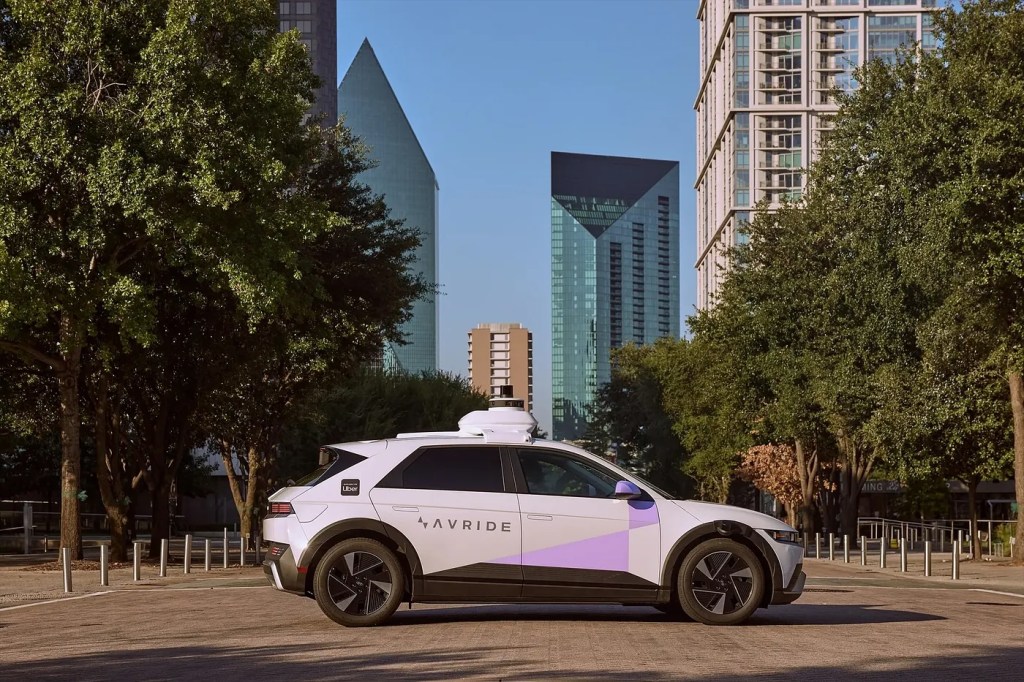
Avride’s Self-Driving Car Incident in Austin Raises Community Concerns
In the Mueller Lake neighborhood of Austin, Texas, a recent incident involving an Avride autonomous vehicle has ignited community concerns regarding the integration of self-driving technology into residential areas. The vehicle, operating in autonomous mode with a human safety operator present, struck and killed a mother duck that was well-known among local residents. The duck had been nesting in a planter outside a popular Italian restaurant, making her a familiar and cherished presence in the community.
The incident came to light when a resident shared their account on a neighborhood Facebook group, stating that the Avride vehicle didn’t slow down or hesitate at all, just steamrolled through. This post, which was subsequently reported by local media outlet KXAN, has amplified the community’s unease about the presence and safety of autonomous vehicles in their neighborhood.
In response to the incident, Avride confirmed that the vehicle was indeed in autonomous mode at the time. While the company has not suspended its public road testing, it has adjusted its operational areas to exclude certain streets around Mueller Lake where the incident occurred. Avride spokesperson Yulia Shveyko stated that the team has thoroughly reviewed the vehicle’s data and behavior, including multiple simulations of the event. The company is now evaluating potential improvements to its technology to prevent similar occurrences in the future. This includes conducting controlled experiments in simulation to ensure that any changes do not adversely affect the vehicle’s overall safety performance.
The resident who reported the incident also alleged that the Avride vehicle failed to stop at a stop sign. However, Avride’s investigation did not find evidence to support this claim, asserting that the vehicle made complete and appropriate stops at all relevant stop signs.
This event has intensified the ongoing debate about the readiness and safety of autonomous vehicles in urban settings. While human-driven vehicles are responsible for numerous animal fatalities, incidents involving self-driving cars tend to attract heightened scrutiny due to the nascent nature of the technology and the high expectations for its performance.
Avride is not the only company testing or deploying autonomous vehicles in Austin. Other companies, including Zoox, Tesla, and Waymo in partnership with Uber, are also operating in the city. These companies have faced their own challenges and incidents, contributing to the broader discourse on the integration of autonomous vehicles into public spaces.
For instance, in June 2023, a Waymo robotaxi operating in autonomous mode struck and killed a small dog in San Francisco. The incident was deemed unavoidable after the dog ran into the street from behind a parked vehicle. Similarly, in March 2018, an Uber self-driving test vehicle was involved in a fatal collision with a pedestrian in Tempe, Arizona, leading to a temporary suspension of Uber’s autonomous vehicle testing.
These incidents underscore the complexities and challenges associated with deploying autonomous vehicles in real-world environments. They highlight the need for continuous improvement in technology, comprehensive safety protocols, and transparent communication with the public to build trust and ensure the safe integration of autonomous vehicles into society.