Autonomous Vehicle Companies Face Scrutiny Over Remote Assistance Transparency
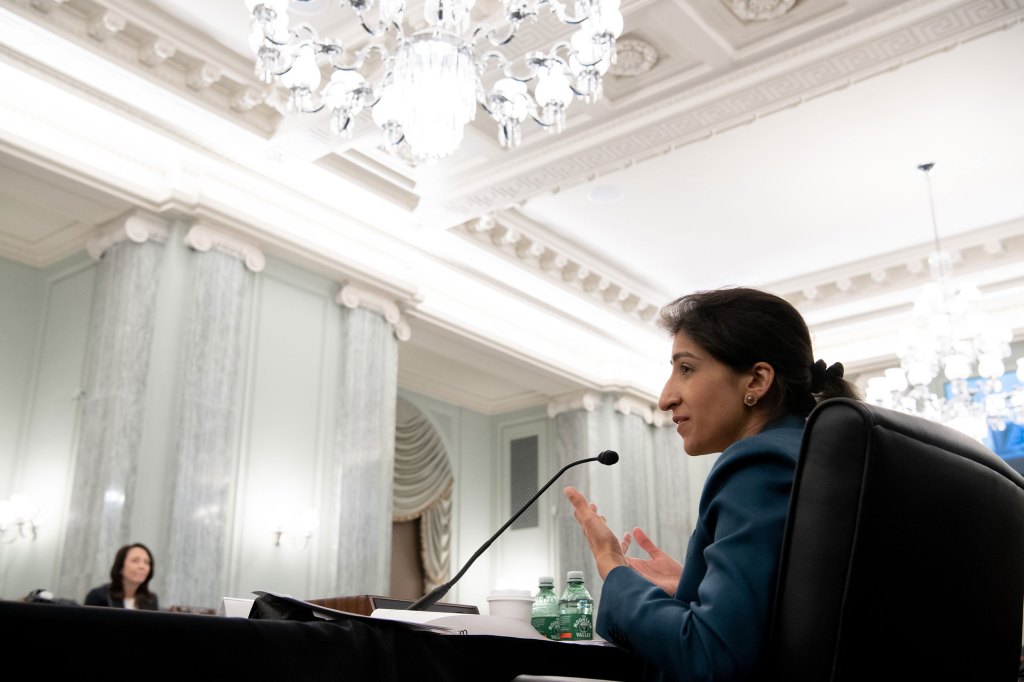
The autonomous vehicle (AV) industry is under increasing scrutiny due to concerns about transparency in the use of remote assistance operators. This issue gained prominence following a congressional hearing that criticized Waymo for employing remote assistance workers in the Philippines. While Waymo’s operations have been a focal point—given their commercial robotaxi services in ten U.S. cities—the concern extends across the entire AV sector.
Senator Ed Markey (D-MA) has intensified this scrutiny by reaching out to seven U.S. companies involved in autonomous vehicle technology: Aurora, May Mobility, Motional, Nuro, Tesla, Waymo, and Zoox. He inquired about the frequency with which these companies’ vehicles rely on input from remote staff. According to Markey’s investigation, all seven companies declined to provide specific information, leading him to describe the situation as a stunning lack of transparency regarding the use of remote assistance operators.
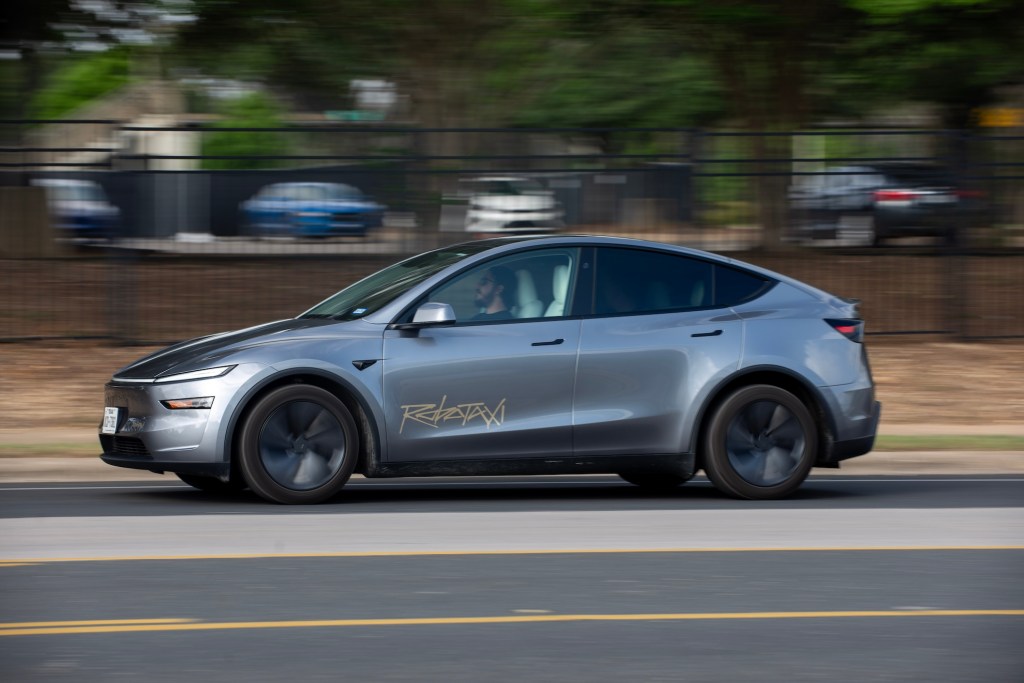
TechCrunch’s senior reporter, Sean O’Kane, delved into this issue, highlighting the companies’ reticence. Notably, Tesla admitted that its remote assistance workers are authorized to temporarily assume direct vehicle control as a final escalation measure—a significant distinction from mere remote assistance.
This lack of transparency is not a fleeting concern. Senator Markey is urging the National Highway Traffic Safety Administration (NHTSA) to investigate the use of remote assistance workers by AV companies. He is also working on legislation aimed at imposing strict regulations on the employment of remote operators in the autonomous vehicle industry.