Accelerating Autonomous Vehicles: Progress, Challenges, and Industry Shifts
The autonomous vehicle (AV) industry is experiencing a significant surge in activity, with numerous companies announcing expansions and new initiatives. This rapid progression prompts a closer examination of the developments, challenges, and strategic shifts within the sector.
Expansion of Autonomous Vehicle Testing and Deployment
Several key players have recently expanded their AV operations:
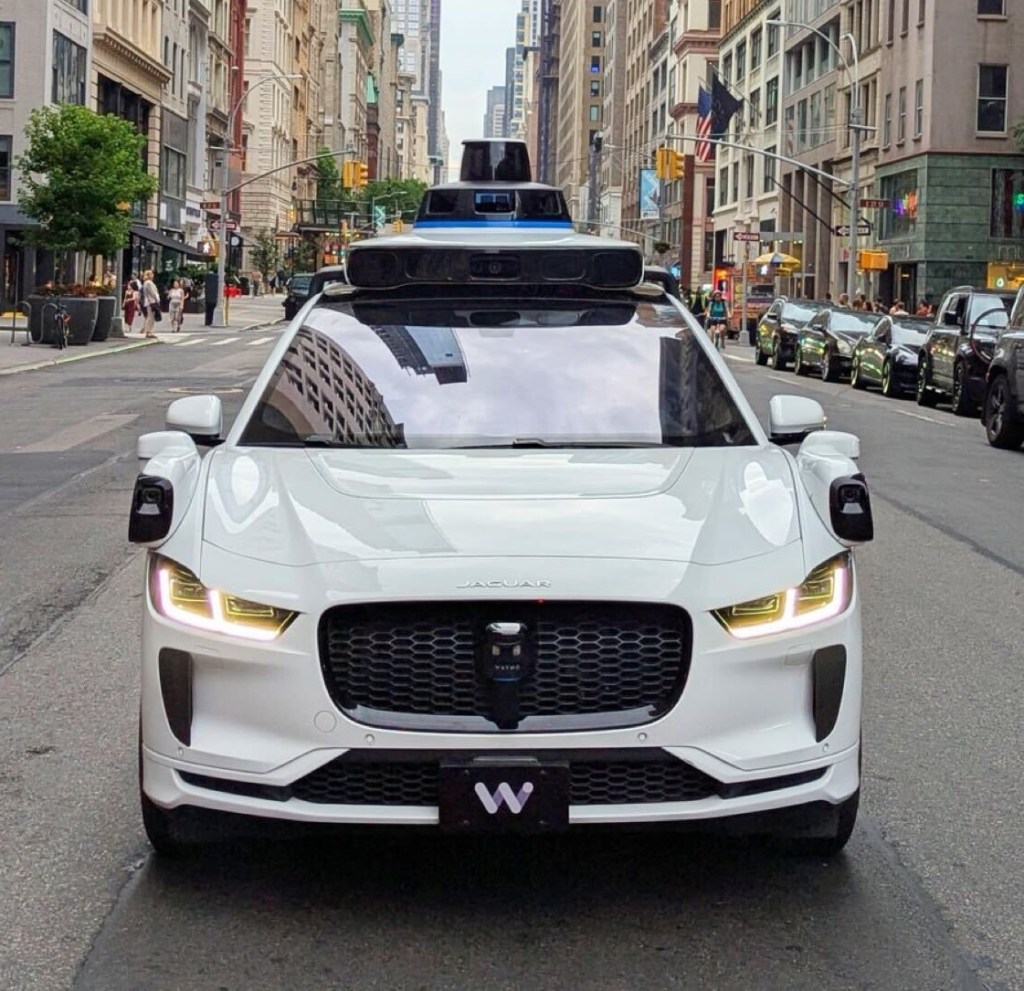
– Waymo has initiated testing of its autonomous vehicles, accompanied by safety monitors, in Philadelphia. The company also plans to commence manual data collection in Baltimore, St. Louis, and Pittsburgh. This expansion signifies Waymo’s commitment to broadening its operational footprint and gathering diverse data to enhance its self-driving technology.
– Uber, in collaboration with Avride, has launched a robotaxi service in Dallas. Initially, these vehicles will operate with human safety operators behind the wheel, ensuring a cautious approach to integrating autonomous services into urban environments.
– The California Department of Motor Vehicles has introduced revised regulations permitting companies to test and eventually deploy self-driving trucks on public highways. This regulatory shift opens new avenues for autonomous freight transport, potentially revolutionizing logistics and supply chain operations.
Safety Concerns and Regulatory Scrutiny
As AV technology becomes more prevalent, safety incidents have attracted regulatory attention:
– The National Highway Traffic Safety Administration (NHTSA) has requested detailed information from Waymo following reports that its robotaxis illegally passed school buses 19 times within a year. This inquiry underscores the importance of ensuring AVs adhere to traffic laws, especially in scenarios involving vulnerable road users.
– A tragic incident involving a Waymo robotaxi resulted in the death of a cat named KitKat. Surveillance footage revealed a woman attempting to rescue the cat before the vehicle unexpectedly moved forward. Such events highlight the need for AVs to accurately detect and respond to all obstacles, including animals and pedestrians.
Industry Movements and Strategic Shifts
The AV sector is also witnessing notable corporate developments:
– Lucid Motors has experienced significant executive turnover, including the departures of former CEO and CTO Peter Rawlinson and chief designer Eric Bach. As the company focuses on ramping up production of its Gravity SUV, it is addressing leadership gaps through internal promotions and external hires.
– Beta Technologies, an electric aircraft manufacturer, has secured a deal to supply air taxi company Eve Air Mobility with electric pusher motors. This agreement, valued at up to $1 billion over ten years, positions Beta Technologies as a key supplier in the emerging urban air mobility market.
– Autolane, a Palo Alto-based startup, has raised $7.4 million to develop an air traffic control system for autonomous vehicles. By coordinating pickup and drop-off points, Autolane aims to streamline AV operations in complex environments, such as shopping centers and urban areas.
– Wayve, a UK-based self-driving startup, has acquired German company Quality Match, which specializes in analyzing data used to train AI models for automated driving. This acquisition is expected to enhance Wayve’s capabilities in developing robust and efficient self-driving algorithms.
Regulatory Developments and Future Outlook
Regulatory bodies are adapting to the rapid advancements in AV technology:
– The NHTSA has proposed a new framework to facilitate the deployment of autonomous vehicles without traditional manual controls, such as steering wheels and pedals. This initiative aims to streamline the approval process for AVs, encouraging innovation while maintaining safety standards.
– Nuro, an autonomous delivery vehicle company, is expanding its driverless testing in the Bay Area and Houston. By demonstrating its technology’s capabilities, Nuro seeks to attract partnerships and customers interested in autonomous delivery solutions.
Conclusion
The autonomous vehicle industry is accelerating, marked by technological advancements, strategic partnerships, and evolving regulatory landscapes. While the potential benefits of AVs are substantial, including increased safety and efficiency, the industry must address safety concerns and public trust issues. As companies continue to innovate and expand, a balanced approach that prioritizes safety, transparency, and collaboration with regulatory bodies will be crucial for the successful integration of autonomous vehicles into society.