Authorities Dismantle Global SocksEscort Proxy Botnet Exploiting 369,000 IPs Across 163 Countries
In a significant international law enforcement operation, authorities have successfully dismantled the SocksEscort proxy botnet, a malicious network that compromised residential routers worldwide to facilitate large-scale cyber fraud. This coordinated effort underscores the persistent threat posed by botnets and the importance of global collaboration in combating cybercrime.
The Rise and Fall of SocksEscort
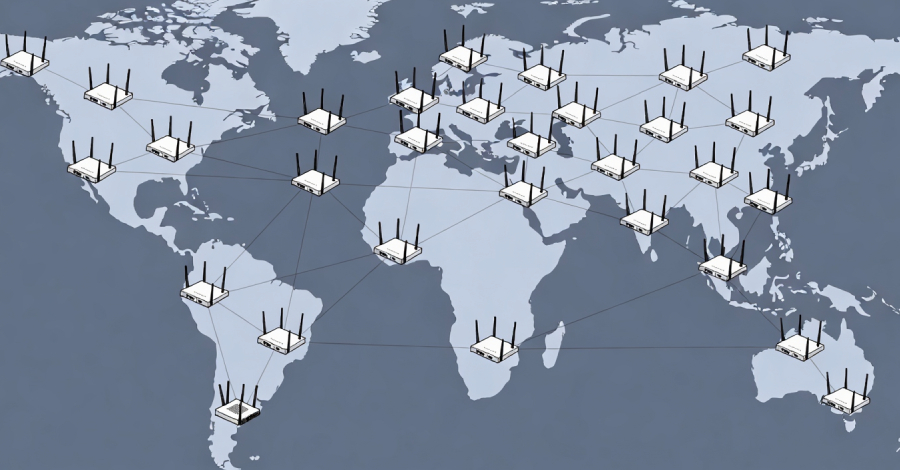
SocksEscort, operating under the domain socksescort[.]com, emerged in the cybercriminal landscape around mid-2020. By February 2026, the service had infiltrated approximately 369,000 IP addresses across 163 countries, with about 2,500 of these located in the United States. The botnet’s primary function was to hijack home and small business internet routers, turning them into conduits for illicit internet traffic without the knowledge of the device owners.
The U.S. Department of Justice (DoJ) highlighted the operational mechanics of SocksEscort, stating, SocksEscort infected home and small business internet routers with malware. The malware allowed SocksEscort to direct internet traffic through the infected routers. SocksEscort sold this access to its customers.
Operational Tactics and Financial Gains
SocksEscort’s business model involved selling access to these compromised routers, offering cybercriminals a means to anonymize their activities by routing their operations through unsuspecting victims’ devices. This method made it challenging for authorities to trace malicious activities back to their true origins. The service advertised various packages, such as 30 proxies for $15 per month and 5,000 proxies for $200 monthly, boasting static residential IPs with unlimited bandwidth capable of bypassing spam blocklists.
The financial implications were substantial. Europol reported that the payment platform associated with SocksEscort received over €5 million from customers seeking to exploit the proxy service for various criminal endeavors.
Victim Impact and Criminal Activities
The exploitation of SocksEscort had far-reaching consequences. Notable incidents include:
– A New York-based cryptocurrency exchange customer defrauded of $1 million worth of cryptocurrency.
– A manufacturing business in Pennsylvania losing $700,000 to fraudulent activities.
– U.S. service members with MILITARY STAR cards collectively defrauded of $100,000.
These cases illustrate the diverse and severe impact of the botnet’s operations on individuals and businesses alike.
The Malware Behind the Botnet: AVrecon
Central to SocksEscort’s functionality was the AVrecon malware, first documented by Lumen Black Lotus Labs in July 2023. Active since at least May 2021, AVrecon targeted approximately 1,200 device models from manufacturers such as Cisco, D-Link, Hikvision, Mikrotik, NETGEAR, TP-Link, and Zyxel. The malware not only transformed infected devices into proxies but also established remote shells for attackers and acted as a loader for additional malicious payloads.
Operation Lightning: A Coordinated Takedown
The dismantling of SocksEscort, dubbed Operation Lightning, was a collaborative effort involving authorities from Austria, Bulgaria, France, Germany, Hungary, the Netherlands, Romania, and the United States. The operation led to the seizure of 34 domains and 23 servers across seven countries, along with the freezing of $3.5 million in cryptocurrency assets.
Europol detailed the operation’s scope, stating, These devices, primarily residential routers, were exploited to facilitate various criminal activities, including ransomware, DDoS attacks, and the distribution of child sexual abuse material (CSAM). The compromised devices were infected through a vulnerability in the residential modems of a specific brand.
Broader Implications and Ongoing Threats
The takedown of SocksEscort is part of a broader trend of law enforcement agencies targeting proxy botnets that exploit compromised devices. Similar operations include:
– RSOCKS Botnet (June 2022): A Russian-operated botnet that hijacked millions of devices, including IoT devices and Android phones, to offer proxy services. The DoJ, in collaboration with international partners, dismantled this network, highlighting the extensive reach and sophistication of such operations.
– Socks5Systemz Botnet (December 2024): This botnet powered the PROXY.AM service, utilizing over 85,000 hacked devices to provide anonymous proxy services. The malware turned compromised systems into proxy exit nodes, facilitating various cybercrimes.
– AVRecon Botnet (July 2023): Leveraging compromised routers, AVRecon fueled illegal proxy services, affecting over 41,000 nodes across 20 countries. The malware enabled activities such as password spraying, web-traffic proxying, and ad fraud.
These cases underscore the evolving nature of cyber threats and the critical need for continuous vigilance and international cooperation.
Protective Measures and Recommendations
To mitigate the risks associated with such botnets, individuals and organizations are advised to:
– Regularly Update Firmware: Ensure that routers and other network devices are running the latest firmware to patch known vulnerabilities.
– Change Default Credentials: Replace default usernames and passwords with strong, unique combinations to prevent unauthorized access.
– Monitor Network Traffic: Regularly review network activity for unusual patterns that may indicate compromise.
– Implement Security Solutions: Utilize comprehensive security solutions that can detect and prevent malware infections.
– Educate Users: Raise awareness about the importance of cybersecurity practices among all users to foster a culture of security.
Conclusion
The successful dismantling of the SocksEscort proxy botnet represents a significant victory in the ongoing battle against cybercrime. However, it also serves as a stark reminder of the persistent and evolving threats posed by botnets. Continuous vigilance, proactive security measures, and international collaboration remain essential in safeguarding the digital landscape against such malicious activities.