Astronaut Reid Wiseman Captures Breathtaking Lunar Image with iPhone 17 Pro Max
In a remarkable fusion of cutting-edge technology and human exploration, NASA’s Artemis II mission has achieved a groundbreaking milestone. Commander Reid Wiseman, aboard the Orion spacecraft, captured an awe-inspiring photograph of the Moon’s surface using an iPhone 17 Pro Max. This event not only showcases the advanced capabilities of modern smartphone cameras but also marks a significant moment in space photography.
The Artemis II Mission: A New Era of Lunar Exploration
Artemis II represents a pivotal step in NASA’s ambitious plan to return humans to the Moon and eventually venture beyond. This mission serves as the first crewed test flight of the Orion spacecraft, designed to transport astronauts deeper into space than ever before. The primary objectives include testing the spacecraft’s systems, assessing human performance in deep space, and laying the groundwork for future lunar landings.
Integrating Consumer Technology into Space Missions
Traditionally, space missions have relied on specialized, rigorously tested equipment to withstand the harsh conditions of space. However, the Artemis II mission has embraced a novel approach by incorporating consumer-grade technology. Each astronaut was equipped with an iPhone 17 Pro Max, allowing them to document their journey with devices familiar to millions on Earth.
This integration was not without its challenges. NASA’s approval process for onboard equipment is stringent, ensuring that any device used in space poses no risk to the crew or mission. The iPhone 17 Pro Max underwent extensive testing to meet these safety standards. Notably, the devices were configured to operate without internet connectivity or Bluetooth functionality, focusing solely on capturing photos and videos.
The Moment Captured: A Lunar Portrait
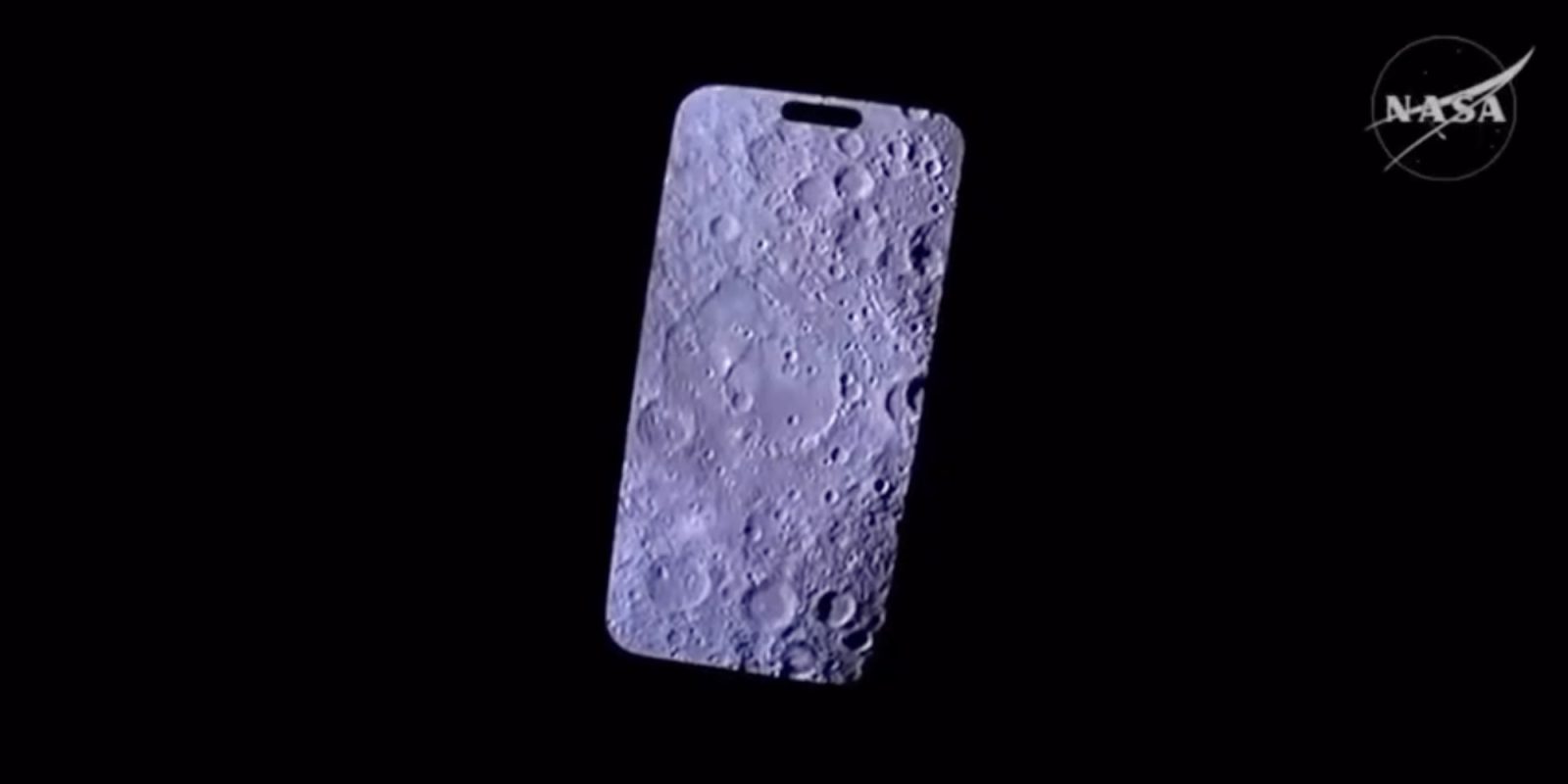
As the Orion spacecraft approached the Moon for its historic flyby, the crew took the opportunity to photograph the lunar surface. Commander Wiseman, utilizing the iPhone’s 8x zoom capability, captured a stunning image of the Chebyshev crater. This photograph was shared during a live NASA broadcast, where Wiseman displayed the image directly from his iPhone to the audience on Earth.
The clarity and detail of the image underscore the remarkable advancements in smartphone camera technology. The iPhone 17 Pro Max’s camera system, featuring enhanced sensors and computational photography capabilities, proved capable of capturing high-quality images even in the challenging lighting conditions of space.
A Collaborative Effort: Multiple Imaging Tools
While the iPhones provided a convenient and effective means for the crew to document their mission, they were not the sole imaging devices onboard. The Artemis II crew also utilized GoPro HERO 4 Black cameras and Nikon D5 and Z 9 cameras. This array of equipment ensured a comprehensive visual record of the mission from multiple perspectives.
The combination of professional-grade cameras and consumer devices highlights NASA’s commitment to leveraging a diverse range of technologies to achieve mission objectives. The inclusion of iPhones also allowed for a more personal and relatable documentation of the mission, bridging the gap between astronauts and the public.
Implications for Future Missions
The successful use of iPhones in the Artemis II mission opens the door for broader integration of consumer technology in future space endeavors. The familiarity and ease of use associated with smartphones can enhance astronauts’ ability to document and share their experiences. Moreover, the continuous advancements in smartphone technology mean that future missions could benefit from even more sophisticated imaging capabilities.
However, this integration also necessitates careful consideration of safety and functionality. Devices must be adapted to operate effectively in the unique environment of space, and rigorous testing will remain a cornerstone of this process.
Public Engagement and Inspiration
The sharing of images captured with familiar devices like the iPhone fosters a deeper connection between the public and space exploration. Seeing the Moon through the lens of a smartphone makes the vastness of space feel more accessible and relatable. It serves as a reminder that the tools we use daily are capable of extraordinary feats when placed in the right hands.
Conclusion
Commander Reid Wiseman’s photograph of the lunar surface, taken with an iPhone 17 Pro Max, stands as a testament to human ingenuity and the remarkable capabilities of modern technology. As NASA continues its journey back to the Moon and beyond, the integration of consumer devices like the iPhone may play an increasingly significant role in documenting and sharing these historic moments. This fusion of everyday technology with the extraordinary realm of space exploration not only enhances our understanding of the cosmos but also inspires future generations to reach for the stars.