Ashen Lepus Hacker Group Targets Middle Eastern Diplomats with Sophisticated AshTag Malware
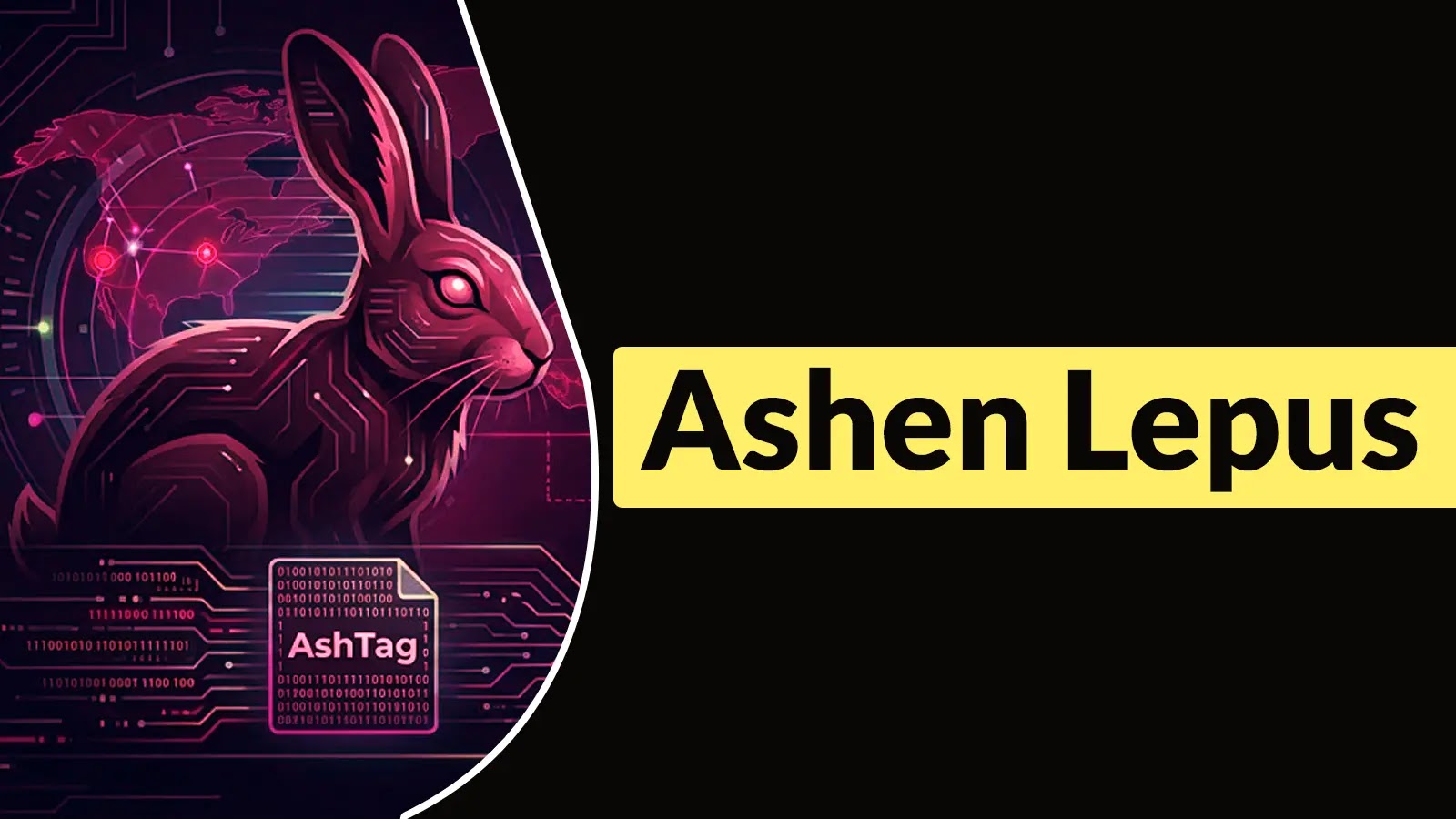
A Hamas-affiliated cyber espionage group, known as Ashen Lepus or WIRTE, has intensified its operations against governmental and diplomatic entities across the Middle East. Utilizing realistic Arabic-language lures that reference regional politics and security discussions, the group deceives officials into opening weaponized documents, leading to the deployment of a new custom malware suite named AshTag.
Sophisticated Social Engineering Tactics
Ashen Lepus crafts convincing PDF documents that appear to be legitimate communications related to regional political and security matters. These documents are designed to exploit the trust and familiarity of the targets, increasing the likelihood of engagement. Upon interaction, the documents prompt the download of RAR archives containing a decoy PDF, a malicious loader, and a disguised executable. When the victim opens the executable, Windows side-loads a hidden malicious DLL, initiating the infection process while displaying the decoy PDF to minimize suspicion.
Persistent Espionage Amid Regional Conflicts
The group’s activities have persisted through recent regional conflicts and even after the October 2025 Gaza ceasefire, underscoring a commitment to long-term intelligence collection over short-term disruption. This persistence highlights the strategic importance placed on gathering sensitive information from diplomatic channels.
Advanced Malware Deployment: The AshTag Suite
Central to this campaign is the AshTag malware suite, a modular .NET backdoor masquerading as a legitimate VisualServer utility. AshTag facilitates file exfiltration, command execution, and in-memory loading of additional tools, enabling comprehensive control over compromised systems.
Infection Chain and Modular Architecture
The infection process involves multiple stages:
1. AshenLoader: Initiates the attack by sending basic host data to the command-and-control (C2) server and retrieving the next stage payload.
2. AshenStager: Extracts a Base64-encoded payload from HTML content hidden within specific tags on a webpage, preparing the system for the final stage.
3. AshenOrchestrator: Acts as the central control module, managing subsequent components and executing commands received from the C2 server.
This modular design allows for flexible and stealthy operations, with each component performing specific functions to maintain persistence and facilitate data exfiltration.
Evasion Techniques and Infrastructure Camouflage
Ashen Lepus employs sophisticated evasion techniques to avoid detection:
– Legitimate-Looking Domains: The group utilizes subdomains that mimic legitimate services, such as api.healthylifefeed[.]com and auth.onlinefieldtech[.]com, to blend malicious traffic with normal web activity.
– In-Memory Execution: Payloads are executed directly in memory, leaving minimal forensic traces on disk and complicating detection efforts.
Implications for Regional Security
The targeted nature of these attacks against Middle Eastern diplomatic entities poses significant risks to regional security and international relations. The ability of Ashen Lepus to maintain long-term access to sensitive systems could lead to the exposure of confidential communications and strategic information.
Recommendations for Mitigation
Organizations, particularly those in the governmental and diplomatic sectors, should implement the following measures to mitigate the threat posed by Ashen Lepus:
– Employee Training: Conduct regular training sessions to raise awareness about phishing tactics and the importance of verifying the authenticity of unsolicited documents.
– Email Filtering: Deploy advanced email filtering solutions to detect and block malicious attachments and links.
– Endpoint Detection and Response (EDR): Utilize EDR solutions to monitor for suspicious activities and enable rapid response to potential threats.
– Regular Software Updates: Ensure all systems and software are up to date with the latest security patches to reduce vulnerabilities.
– Network Segmentation: Implement network segmentation to limit the spread of malware within the organization.
Conclusion
The Ashen Lepus group’s deployment of the AshTag malware suite represents a significant advancement in cyber espionage tactics targeting Middle Eastern diplomatic entities. Their use of sophisticated social engineering, modular malware architecture, and advanced evasion techniques underscores the need for heightened vigilance and robust cybersecurity measures within organizations handling sensitive information.