Asahi Linux Achieves Initial Boot on M3 Macs, Faces GPU Support Challenges
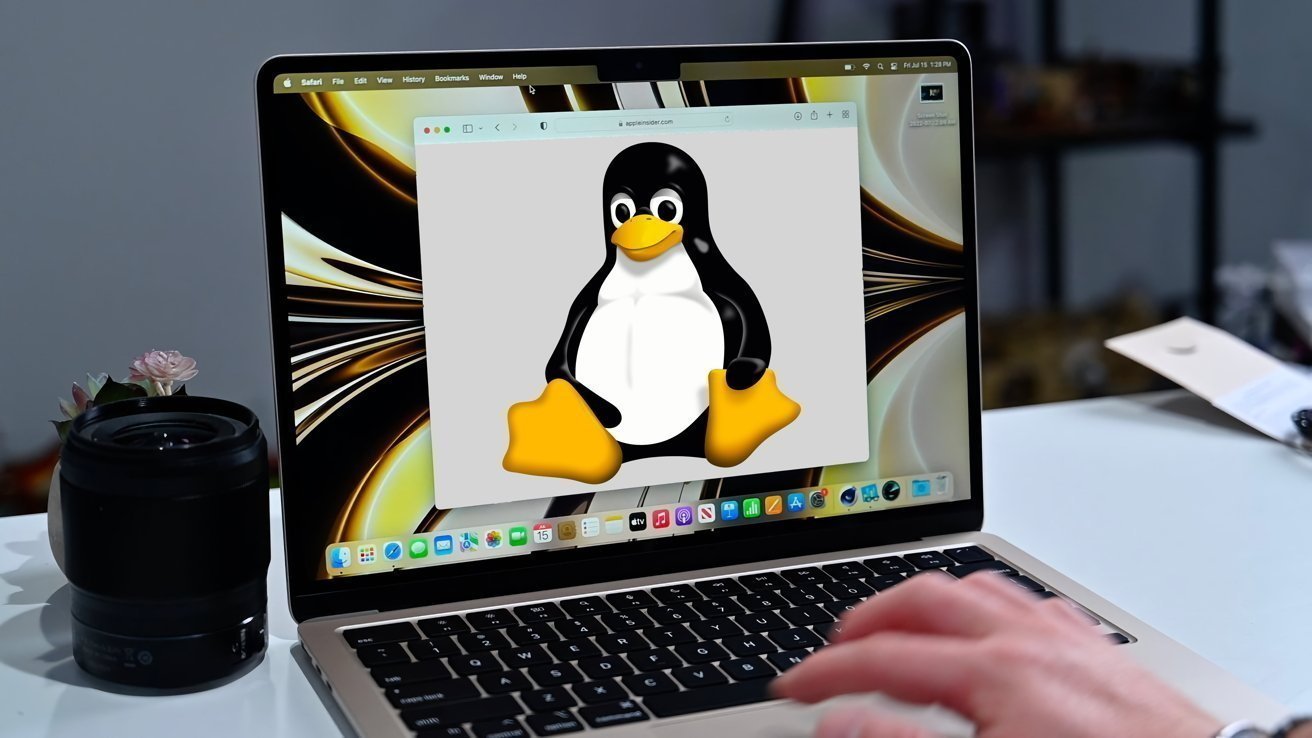
The Asahi Linux project, dedicated to bringing Linux to Apple Silicon Macs, has successfully booted Fedora 43 Asahi Remix on M3-based Macs, including models with M3 Pro and M3 Max chips. This milestone, achieved by contributors such as IntegralPilot, marks a significant step in expanding Linux compatibility to Apple’s latest hardware.
However, the current implementation is in its nascent stages. As IntegralPilot notes, only the internal SSD, display, keyboard, and trackpad are operational. Crucially, GPU support is absent, necessitating software rendering via LLVMpipe, which significantly hampers graphical performance. IntegralPilot acknowledges that addressing GPU compatibility will be a substantial undertaking requiring considerable time and effort.
The Asahi Linux project has a history of overcoming similar challenges. In 2024, the team developed an open-source, standards-compliant GPU driver for M1 and M2 chips, achieving full conformance with OpenGL 4.6 and OpenGL ES 3.2—surpassing Apple’s own support, which was limited to OpenGL 4.1. This accomplishment underscores the team’s capability to tackle complex hardware integration issues.
Looking ahead, the project faces additional hurdles with future Apple Silicon iterations. The M4 chips, for instance, introduce changes that complicate Linux support. Asahi Linux developer Sven Peter highlights that Apple’s Secure Processor Technology Module (SPTM) now operates in a mode that poses challenges for both Linux and macOS under hypervisors, indicating a more complex path for future compatibility efforts.
Despite these challenges, the Asahi Linux community remains committed to expanding Linux support across Apple Silicon devices. The recent progress with M3 Macs, albeit limited, reflects the project’s dedication to providing alternative operating system options for Apple hardware enthusiasts.