Article Title:
Apple’s Premium Strategy Elevates iPad Sales Amidst Market Decline
In the final quarter of 2025, Apple successfully increased the average selling price (ASP) of its iPad lineup, even as the global tablet market experienced a downturn. This strategic focus on premium models enabled Apple to maintain robust sales and revenue growth, highlighting the company’s resilience in a maturing industry.
Market Overview
The tablet market has been undergoing significant changes, with global shipments declining both quarter-over-quarter and year-over-year. Analysts suggest that the industry is transitioning into a more mature phase, where the emphasis shifts from volume to profitability and product differentiation. In this evolving landscape, Apple’s dominance in the premium segment positions it advantageously.
Apple’s Performance
According to Counterpoint Research, Apple’s iPad ASP rose from $527 in Q3 2025 to $583 in Q4 2025, marking a substantial 10% increase. This uptick in ASP helped offset the broader market’s shipment declines. The premium tablet segment continues to demonstrate resilience, as consumers increasingly opt for higher-end models that offer enhanced performance and productivity features.
Apple’s financial results reflect this trend. The company reported $8.5 billion in iPad revenue for the quarter ending December 27, representing a 5% year-over-year increase. Notably, this period set a record for iPad upgrades, with more than half of buyers purchasing their first iPad.
Premium iPads Drive Growth
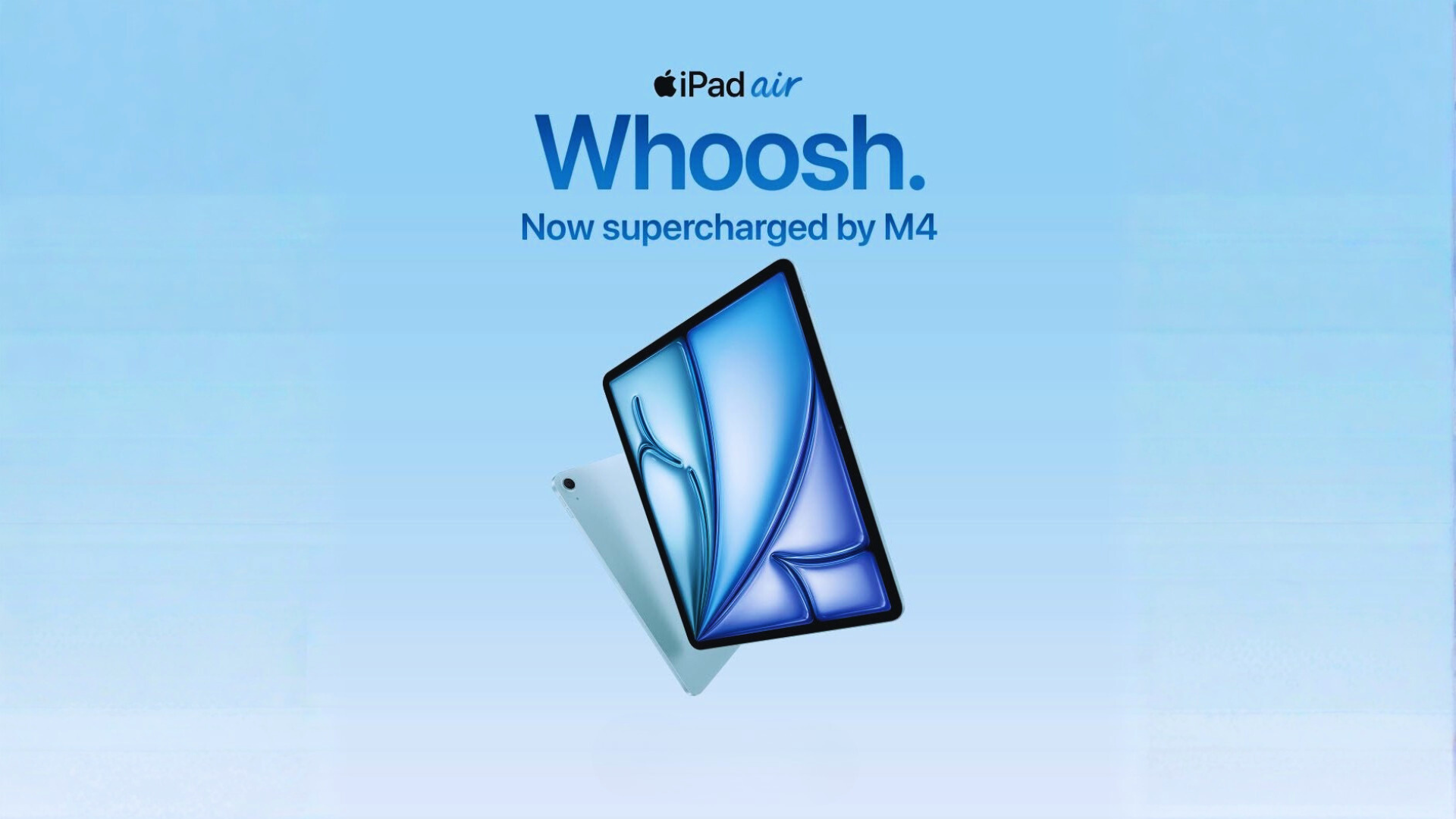
Apple’s strategy centers on offering premium hardware that seamlessly integrates with its ecosystem. High-end iPads, such as the Pro and Air models, attract customers seeking laptop-like performance for work, education, and creative endeavors. These devices, positioned in the upper price tier, contribute significantly to overall revenue, even with moderate sales growth.
The success of the iPad Pro models underscores this approach. In the June 2024 quarter, iPad Pros accounted for 43% of total iPad sales, up from 38% in the same period the previous year. This growth came at the expense of the iPad mini and iPad Air, which saw declines in their market shares. ([macobserver.com](https://www.macobserver.com/news/most-expensive-yet-ipad-pros-lead-sales-in-ipads/?utm_source=openai))
Shifts in the Tablet Market
The broader tablet market is now characterized by replacement demand rather than rapid expansion. Industry analysts anticipate that shipments will stabilize over the coming years, as users upgrade older devices rather than purchasing tablets for the first time. Despite slower growth, forecasts indicate that the tablet market will continue to expand gradually through the end of the decade.
Apple’s focus on higher-value devices and ecosystem integration positions the iPad favorably as the industry moves toward a steadier, upgrade-driven cycle. The company’s ability to maintain strong sales and increase ASP amidst a declining market highlights the effectiveness of its premium strategy.
Regional Performance
Apple’s performance varies across different regions. In the United States, the company experienced an 8.8% decline in iPad sales in Q1 2024 compared to the same period in 2023. Despite this dip, Apple maintained a commanding 50.8% market share, significantly ahead of competitors like Samsung and Amazon. ([macobserver.com](https://www.macobserver.com/ipad/apple-ipad-sales-dip-slightly-but-remains-king-of-tablets-in-us-q1-2024/?utm_source=openai))
In China, however, Apple’s iPad shipments fell by 14% year-over-year in Q2 2024. The company’s market share in the region dropped from 36% to 26%, as competitors like Huawei gained ground. This decline occurred despite the overall tablet market in China growing by 20% during the same period. ([macobserver.com](https://www.macobserver.com/news/ipad-shipments-dropped-from-36-to-26-within-a-year-in-china/?utm_source=openai))
Conclusion
Apple’s strategic emphasis on premium iPad models has enabled the company to increase its average selling price and maintain revenue growth, even as the global tablet market faces challenges. By focusing on high-end devices that offer superior performance and seamless integration within its ecosystem, Apple continues to attract consumers willing to invest in quality and functionality. As the tablet market matures and shifts toward replacement cycles, Apple’s premium strategy positions it well for sustained success.