Apple’s Platform SSO: Revolutionizing Enterprise Identity Management
For over a decade, Mac administrators have pursued the elusive goal of a unified identity management system—a Single Glass Pane—to seamlessly integrate local and cloud-based authentication. Traditional methods, such as binding Macs to Active Directory, often proved cumbersome and inefficient. Third-party solutions attempted to bridge the gap by synchronizing local and cloud passwords, but these were temporary fixes rather than comprehensive solutions.
Apple’s introduction of Platform Single Sign-On (SSO) marks a pivotal advancement in enterprise technology, embedding this integration directly into macOS. This development signifies a transformative shift, positioning the Mac as a direct extension of an organization’s cloud identity infrastructure.
Understanding Platform SSO
Platform SSO is a native macOS framework that facilitates direct communication between the operating system and cloud Identity Providers (IdPs) like Google Workspace, Okta, and others. Historically, the Mac login process operated in isolation, requiring separate authentications for local accounts and cloud applications. Previous tools that synchronized local and cloud passwords functioned as overlays on the OS, lacking deep integration. Platform SSO addresses this by embedding authentication capabilities at the system level.
This integration enables real-time password synchronization; any change made in the cloud is immediately reflected on the local Mac. Crucially, Platform SSO leverages the Secure Enclave for authentication, elevating the Mac to a trusted component within the security framework. This approach modernizes the traditional Active Directory binding, aligning it with contemporary cloud-first and remote-first operational models.
Authentication Methods Supported by Platform SSO
Platform SSO offers a range of authentication methods to accommodate diverse organizational needs and security requirements:
– Password Authentication: Users can authenticate using either their local Mac password or their cloud IdP password. This method supports WS-Trust, ensuring compatibility even with federated identity providers.
– Secure Enclave–Backed Key: Instead of transmitting passwords, this method utilizes a cryptographic key stored within the Mac’s Secure Enclave. The IdP establishes this key during registration, facilitating a seamless, passwordless authentication experience.
– Smart Card Authentication: For environments with heightened security requirements, such as government contracts, Platform SSO supports smart card authentication. Organizations can register the smart card with their IdP and configure attribute mapping on the Mac to enable this method.
– Access Key Authentication: This newer method allows users to authenticate using a pass stored in Apple Wallet. Similar to smart card authentication, the key must be pre-registered with the IdP.
The Significance of Platform SSO
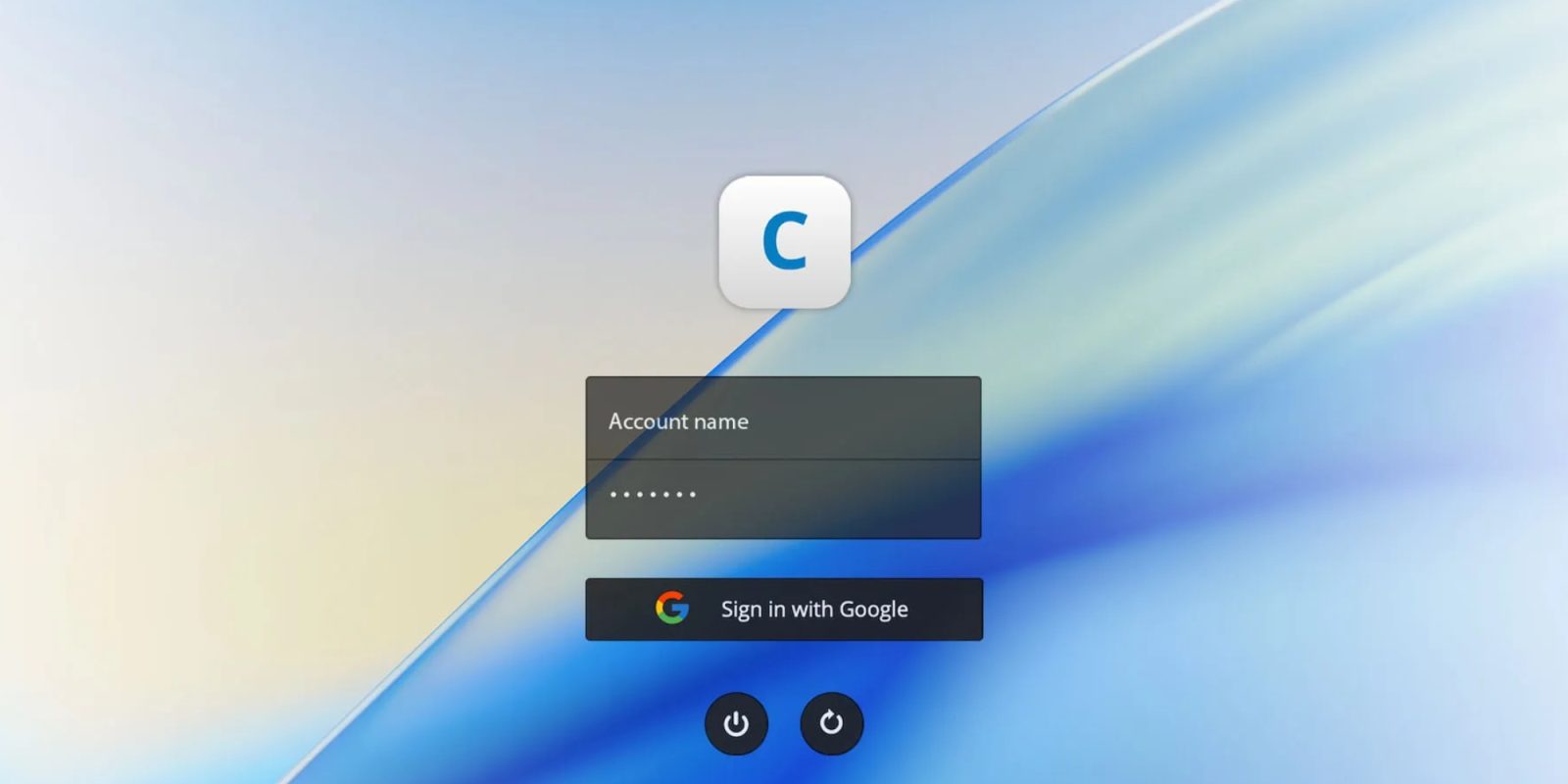
Platform SSO represents a fundamental shift in Apple’s approach to enterprise integration. Historically, Macs operated as standalone entities within organizational ecosystems. With Platform SSO, Apple acknowledges the central role of cloud-based identity systems in enterprise environments. This is exemplified by the macOS login screen now natively displaying icons from third-party IdPs like Microsoft and Google—a visual testament to this integration.
By embedding third-party identity providers into the core of the Mac’s authentication process, Apple aligns with the realities of modern enterprise IT, where cloud-based IdPs serve as the primary source of truth for user identities. Platform SSO is instrumental in facilitating zero-touch deployments, streamlining device provisioning, and enhancing security protocols.
This integration simplifies the deployment and management of Macs within enterprise settings, making them more accessible and manageable. By embracing the centrality of cloud-based identity systems, Apple has positioned the Mac as a more cohesive and integral component of the enterprise IT landscape.