Apple and Brazilian Banks Clash Over NFC Payment Access Fees
In Brazil, a significant dispute has emerged between Apple Inc. and local banking institutions regarding access to the iPhone’s Near Field Communication (NFC) technology for payment services. The Administrative Council for Economic Defense (CADE), Brazil’s antitrust authority, is scrutinizing Apple’s policy of charging fees to third-party payment providers for utilizing its NFC capabilities.
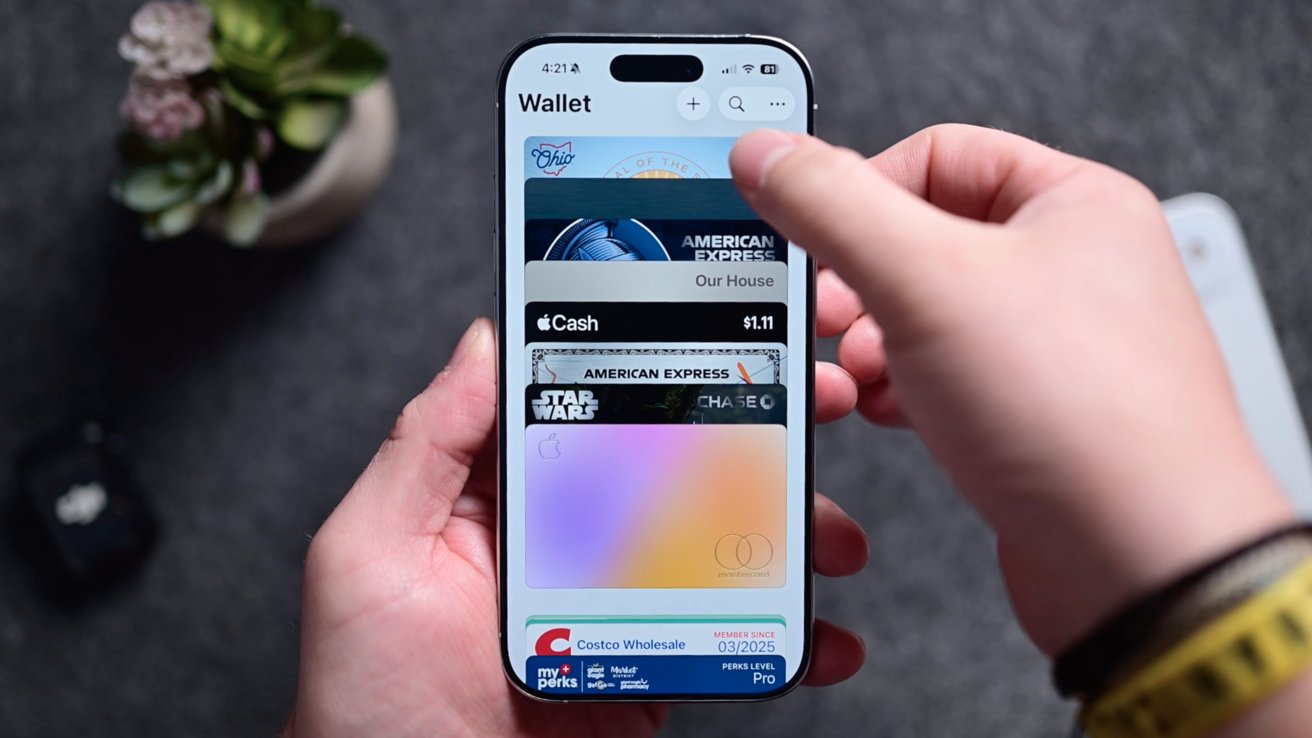
Apple’s NFC technology is integral to its Apple Pay service, enabling users to conduct contactless payments via their iPhones. Since its Brazilian debut in 2018, Apple Pay has been adopted by over 40 banks and issuers, reflecting its widespread acceptance. However, Apple maintains a policy of charging payment processors and banks per transaction for access to its NFC platform. This practice has drawn criticism from Brazilian banks and CADE, who argue that it may be anticompetitive.
Apple contends that its fees are justified, emphasizing the security and convenience of Apple Pay. The company argues that third-party services seeking free access to its proprietary NFC technology are attempting to benefit from Apple’s innovations without contributing to the associated costs. Apple also points out that the iPhone holds only a 10% market share in Brazil, suggesting that its NFC policies do not significantly impede competition.
The core of the dispute lies in the desire of Brazilian banks to integrate their payment services, such as Pix—a government-backed instant payment system—directly with the iPhone’s NFC capabilities without incurring fees. While Apple has introduced features allowing third-party access to NFC technology, the contention arises over the associated costs. Apple argues that allowing free access could compromise user security and diminish the seamless experience that Apple Pay offers.
This situation in Brazil mirrors similar challenges Apple has faced globally. In Europe, regulatory bodies have pressured Apple to open its NFC technology to third-party developers. In response, Apple announced plans to provide third-party developers in the European Economic Area with options to enable NFC contactless payments within their iOS apps, separate from Apple Pay and Apple Wallet. However, the European Central Bank has expressed concerns that Apple’s proposed changes may not be sufficient to ensure fair competition.
In Australia, a group of banks sought access to the iPhone’s NFC controller to offer their own digital wallet systems. Apple objected, contending that the banks aimed to bypass Apple Pay and avoid associated transaction fees, which could lead to increased costs and potential security risks for consumers.
The outcome of CADE’s investigation in Brazil could have significant implications for the mobile payment landscape in the country. If Apple is required to alter its NFC policies, it may set a precedent affecting how proprietary technologies are managed and monetized globally. Conversely, if Apple’s stance is upheld, it could reinforce the company’s control over its ecosystem and the associated revenue streams.
As the digital payment sector continues to evolve, the balance between fostering innovation, ensuring fair competition, and protecting consumer interests remains a complex and contentious issue. The resolution of this dispute will likely influence future interactions between technology providers and financial institutions worldwide.