Apple’s Upcoming MacBook Pro: Embracing Touchscreens, OLED Displays, and Dynamic Island
Apple is poised to revolutionize its MacBook Pro lineup by introducing touch-enabled OLED displays and the innovative Dynamic Island feature, marking a significant evolution in its laptop design. This strategic move aims to enhance user interaction while maintaining the core experience that Mac users cherish.
A Shift in Apple’s Design Philosophy
Historically, Apple has been cautious about integrating touchscreens into its MacBook series. In 2010, Steve Jobs dismissed the idea, citing ergonomic concerns, a sentiment echoed by Craig Federighi, Apple’s Senior Vice President of Software Engineering, in 2018. Despite this, the tech landscape has evolved, and user expectations have shifted, prompting Apple to reconsider its stance.
Anticipated Features of the New MacBook Pro
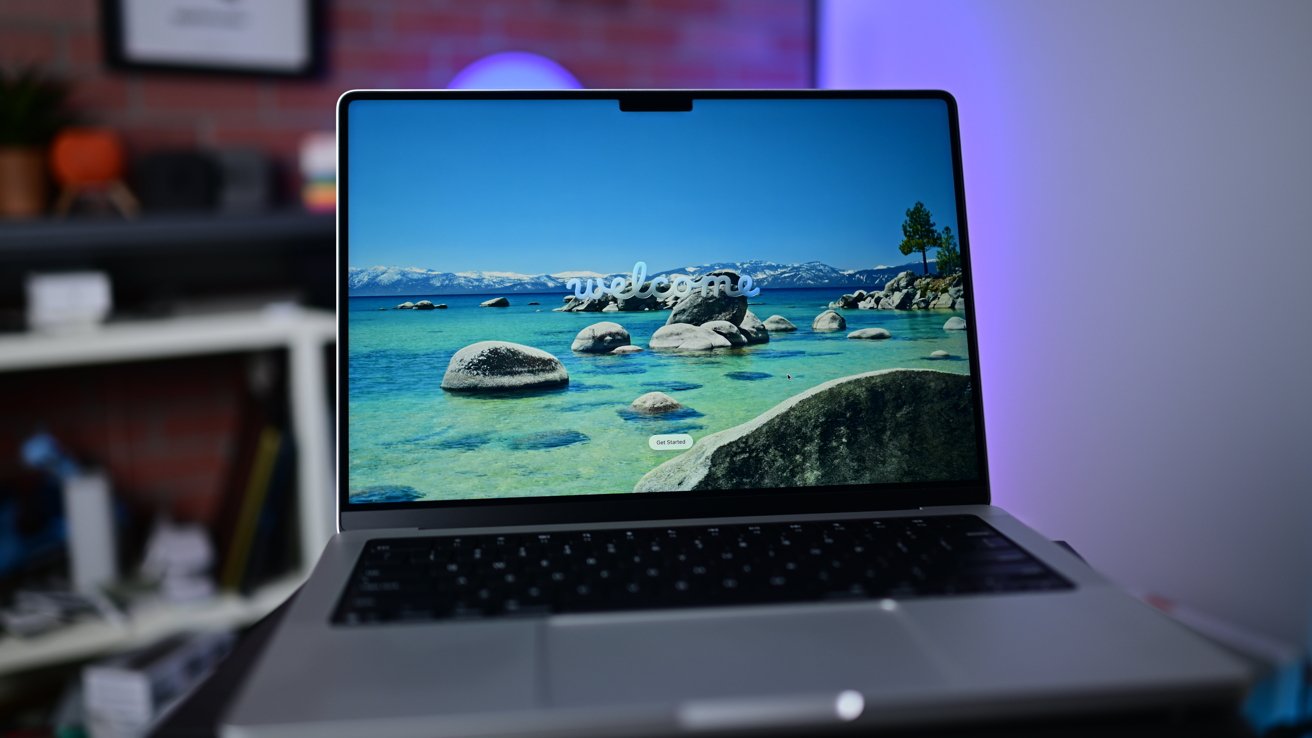
According to a Bloomberg report, the forthcoming 14-inch and 16-inch MacBook Pro models, slated for release by the end of 2026, will incorporate several groundbreaking features:
– Touch-Enabled OLED Displays: These high-resolution screens will support intuitive gestures such as pinch-to-zoom and swift scrolling, offering a more interactive user experience.
– Dynamic Island Integration: Borrowed from the iPhone’s design, this feature will provide a dynamic interface element at the top center of the display, enhancing functionality and aesthetics.
– Adaptive Interface Modes: macOS will intelligently switch to a touch-friendly mode when it detects touch input, ensuring seamless navigation without compromising the traditional cursor-based interface.
Balancing Tradition with Innovation
Apple’s approach is to enrich the MacBook Pro’s capabilities without overshadowing its foundational user experience. The touch functionality is designed to complement, not replace, existing input methods. This ensures that users who prefer traditional navigation can continue their workflow uninterrupted.
Addressing User Expectations
The integration of touchscreens responds to a growing segment of users transitioning from touch-centric devices like iPhones, iPads, Windows laptops, and Chromebooks. These users often anticipate touch capabilities in their devices, and Apple’s adaptation aims to meet these expectations while preserving the MacBook Pro’s identity.
Historical Context and Evolution
Apple’s journey towards integrating touch interfaces has been gradual. The introduction of the Touch Bar in 2016 was an initial step, offering a dynamic, touch-sensitive strip above the keyboard. While innovative, it received mixed reviews and was eventually phased out. The upcoming touch-enabled MacBook Pro signifies a more comprehensive embrace of touch technology, reflecting lessons learned from past endeavors.
Potential Implications for Developers and Users
The addition of touch capabilities will likely inspire developers to create applications that leverage both touch and traditional inputs, fostering a more versatile software ecosystem. Users can anticipate a more immersive and flexible computing experience, bridging the gap between mobile and desktop environments.
Conclusion
Apple’s forthcoming MacBook Pro models represent a thoughtful integration of touch technology, OLED displays, and the Dynamic Island feature. By balancing innovation with tradition, Apple aims to enhance user interaction while maintaining the core experience that has made the MacBook Pro a staple in the computing world.