Enhancing the M5 MacBook Air: A Call for Improved Thermal Management
Apple’s recent hardware releases, such as the iPad Pro and iPhone 17 Pro, have demonstrated a significant emphasis on thermal management. These devices have incorporated advanced cooling solutions to address overheating concerns and optimize performance. However, the MacBook Air, particularly with the anticipated M5 model, has yet to receive similar thermal enhancements.
Advancements in Thermal Design
The latest iPad Pro models have integrated graphite sheets within their main housing and incorporated copper elements into the Apple logo. These modifications have resulted in a 20% improvement in thermal performance, effectively mitigating overheating issues. Similarly, the iPhone 17 Pro has undergone a comprehensive redesign, featuring a vapor chamber and an aluminum unibody to enhance heat dissipation.
Thermal Challenges in the MacBook Air
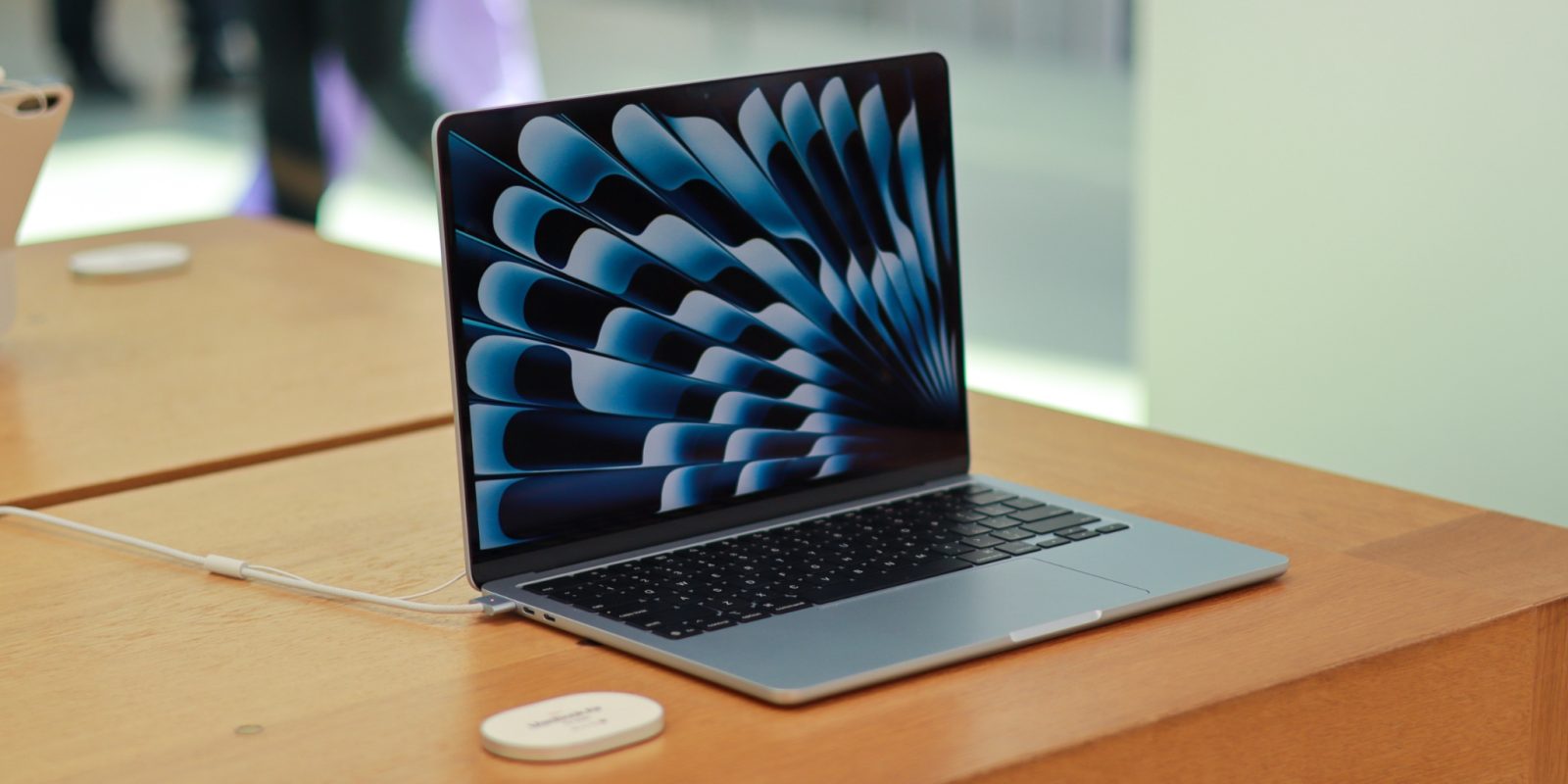
In 2022, Apple introduced a redesigned MacBook Air that was thinner and lighter than its predecessors. This redesign involved replacing the traditional metal heatsink with a thin graphite sheet, lacking a substantial heat spreader. Consequently, the M2 MacBook Air experienced thermal throttling more rapidly under intensive workloads compared to earlier models.
The absence of advanced thermal solutions in the MacBook Air is particularly concerning given the increasing power of Apple Silicon chips. Without adequate cooling mechanisms, the MacBook Air may not fully harness the capabilities of upcoming processors like the M5, potentially leading to performance limitations.
Potential Solutions and Future Outlook
To address these thermal challenges, Apple could consider implementing a vapor chamber cooling system in the MacBook Air, similar to the one used in the iPhone 17 Pro. Such an enhancement would facilitate more efficient heat dissipation, allowing the MacBook Air to maintain optimal performance during demanding tasks.
While some may argue that the typical MacBook Air user does not require sustained high performance, integrating improved thermal management would provide a more versatile device capable of handling a broader range of applications without compromising on design or portability.