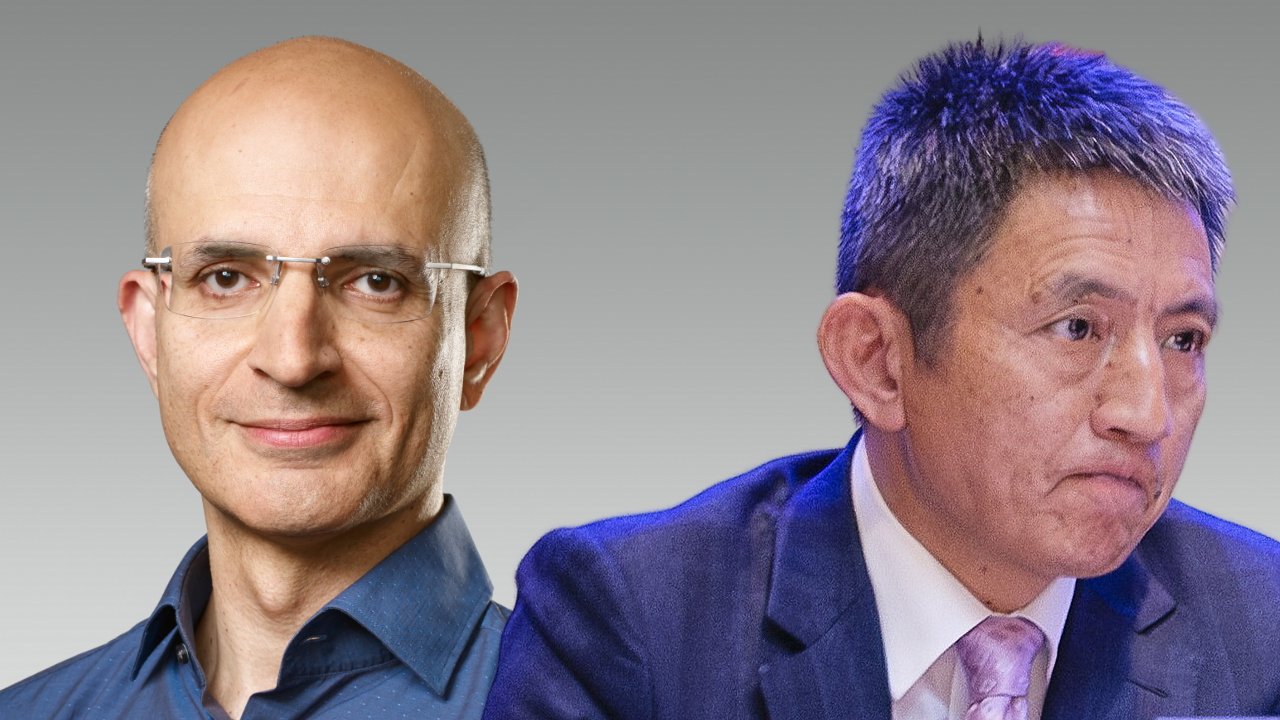
Apple’s New COO Sabih Khan Reinforces Commitment to Long-Term Partnerships with China
In a significant move underscoring Apple’s dedication to its Chinese partnerships, newly appointed Chief Operating Officer Sabih Khan recently met with Li Chenggang, China’s International Trade Negotiator and Vice Minister of Commerce. This meeting marks Khan’s first official engagement with Chinese officials since succeeding Jeff Williams, who retired in November 2025 after a distinguished tenure.
During the discussions, Khan expressed Apple’s deep appreciation for China’s robust supply chain infrastructure. He emphasized the company’s commitment to long-term development within the country, highlighting plans to increase investments in research, social welfare initiatives, and production capabilities. These statements align with Apple’s ongoing strategy to strengthen its presence in China, a critical hub for the company’s manufacturing and supply chain operations.
Vice Minister Li Chenggang provided insights into China’s 15th Five-Year Plan, which focuses on expanding partnerships with foreign enterprises, including Apple. This plan aims to foster deeper collaboration and mutual growth, reflecting the symbiotic relationship that Apple and China have cultivated over the past three decades.
The meeting holds particular significance given the backdrop of global trade tensions and the challenges posed by the COVID-19 pandemic. Apple has faced pressures to diversify its manufacturing base, with substantial investments made to establish production facilities in countries like India and Vietnam. By January 2024, Apple’s supply chain had invested $16 billion in efforts to reduce dependence on China, with 14% of iPhones being manufactured in India as of April 2024. Despite these diversification efforts, China remains an indispensable part of Apple’s operations due to its skilled labor force and access to rare earth minerals essential for electronics manufacturing.
Apple’s commitment to China is further evidenced by CEO Tim Cook’s remarks during his visit to the China Development Forum in March 2024. Cook praised the symbiotic 30-year relationship between Apple and China, highlighting the mutual growth and collaboration that have defined their partnership. He acknowledged the extensive supply chain system in China, which he played a pivotal role in developing over the decades.
The recent meeting between Khan and Li Chenggang also comes at a time when Apple is navigating complex geopolitical landscapes. The company has been under pressure from various administrations to repatriate manufacturing to the United States. However, Apple’s strategic engagements with Chinese officials indicate a nuanced approach, balancing diversification efforts with a commitment to existing partnerships.
In October 2025, during a visit to China to promote the delayed launch of the iPhone Air, Tim Cook met with Li Lecheng, China’s industry minister. Cook reportedly committed to increasing both investment and cooperation with China, though specific details were not disclosed. This meeting underscored Apple’s intent to maintain and deepen its ties with China, despite external pressures.
The challenges faced by Apple in China have been multifaceted. The COVID-19 pandemic led to significant disruptions, including factory shutdowns and supply chain bottlenecks. For instance, in April 2022, strict lockdown measures in cities like Kunshan and Shanghai affected key Apple suppliers such as Pegatron, Quanta, and Compal. These disruptions highlighted the risks of over-reliance on a single region for manufacturing and prompted Apple to accelerate its diversification strategies.
Despite these challenges, Apple’s engagement with China remains robust. The company’s approach reflects a strategic balance between expanding its global manufacturing footprint and reinforcing existing relationships. By investing in research and development, social welfare, and production within China, Apple aims to foster a sustainable and mutually beneficial partnership.
In conclusion, Sabih Khan’s recent meeting with Chinese officials signifies Apple’s unwavering commitment to its long-standing partnership with China. While the company continues to diversify its manufacturing base, China remains a cornerstone of Apple’s operations. Through strategic investments and collaborative initiatives, Apple seeks to navigate the complexities of global trade while maintaining strong ties with its Chinese partners.