MacBook Neo’s Performance Challenges High-End Cloud Servers in Database Benchmarks
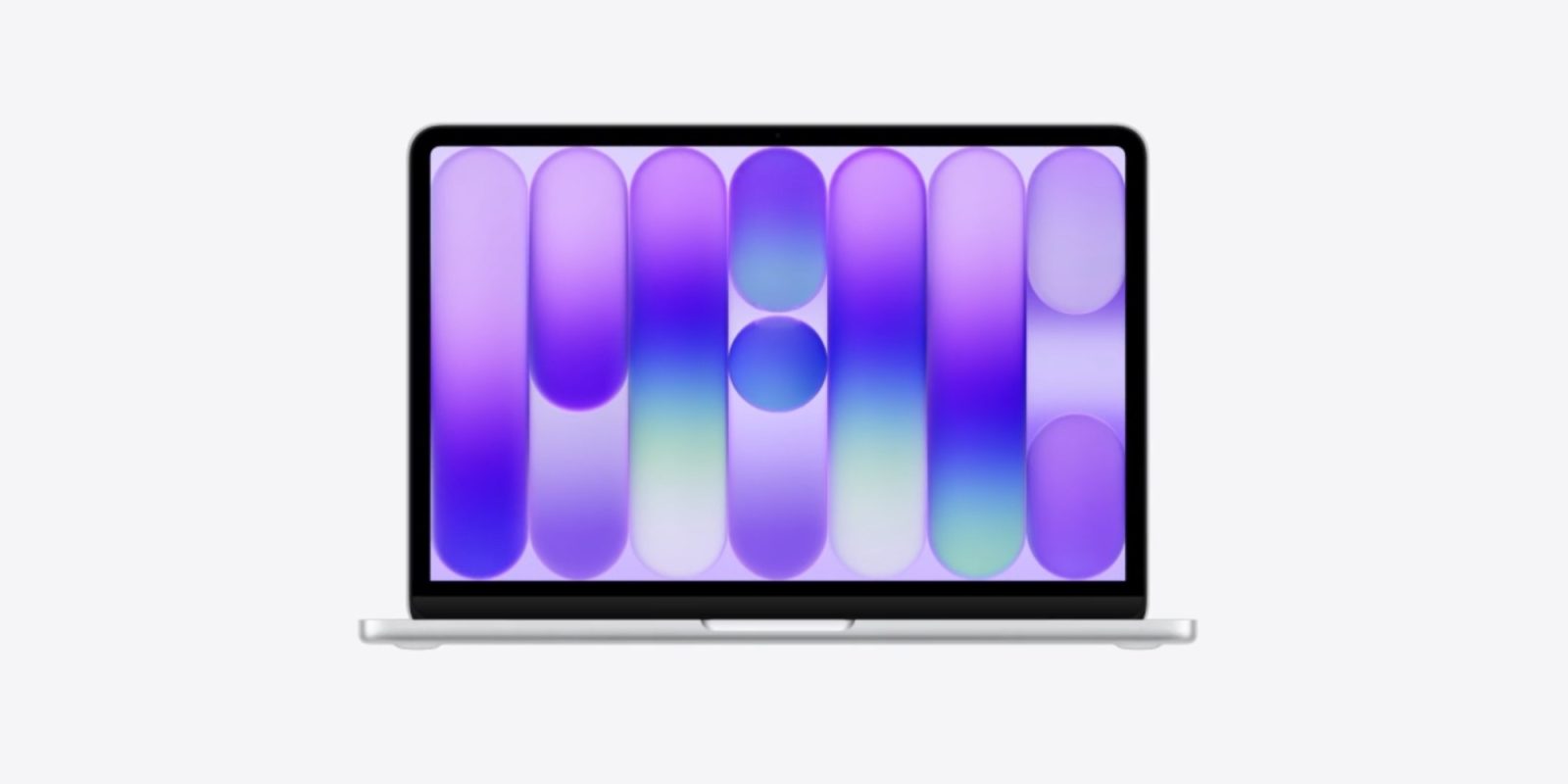
Apple’s latest entry-level laptop, the MacBook Neo, has demonstrated remarkable performance in database workloads, rivaling more powerful cloud servers. In a series of benchmarks conducted by Gábor Szárnyas from DuckDB, the MacBook Neo was pitted against two cloud instances:
– c6a.4xlarge with 16 AMD EPYC vCPU cores and 32 GB RAM
– c8g.metal-48xl with 192 Graviton4 vCPU cores and 384 GB RAM
The benchmarks utilized two tests: ClickBench and TPC-DS. ClickBench focuses on aggregation and filtering operations on a single wide table with 100 million rows, while TPC-DS includes 24 tables and 99 queries, many of which are complex and feature window functions.
In the ClickBench cold run, which measures performance with empty caches, the MacBook Neo outperformed both cloud instances, completing all queries in under a minute and up to 2.8 times faster than its counterparts. This impressive performance is attributed to the MacBook Neo’s local NVMe SSD, providing quick access on the first read, whereas the cloud instances rely on network-attached disks, which can slow down data access.
During the hot run, where the system can take advantage of caching, the c8g.metal-48xl completed the run in 4.35 seconds, the c6a.4xlarge in 47.86 seconds, and the MacBook Neo in 54.27 seconds. Despite finishing last, the MacBook Neo’s total runtime was only about 13% slower than the c6a.4xlarge, which has 10 more CPU threads and four times as much RAM.
In the TPC-DS benchmark at SF100, the MacBook Neo achieved a median query runtime of 1.63 seconds and a total runtime of 15.5 minutes. At SF300, the laptop’s memory constraints became evident, with a median query runtime of 6.90 seconds and some queries taking significantly longer. Notably, query 67 took 51 minutes to complete, as DuckDB occasionally used up to 80 GB of space for spilling to disk.
These results highlight the MacBook Neo’s impressive performance in database workloads, especially considering its entry-level status and hardware limitations. The laptop’s ability to compete with more powerful cloud servers underscores Apple’s advancements in hardware optimization and efficiency.