Apple’s MacBook Neo Shakes Up the PC Industry: A Game-Changer in Affordable Computing
Apple’s recent unveiling of the MacBook Neo has sent ripples through the personal computing industry, challenging long-standing norms and prompting competitors to reassess their strategies. Priced at an unprecedented $599, the MacBook Neo marks Apple’s bold entry into the budget-friendly laptop market, a segment traditionally dominated by Windows-based PCs.
Industry Reaction:
The launch of the MacBook Neo has not gone unnoticed by industry leaders. Asus co-CEO S.Y. Hsu described the device as a shock to the PC industry, highlighting the unexpected nature of Apple’s move into the lower-end market. Hsu noted that Apple’s decision to introduce a very budget-friendly product has sparked extensive discussions within the PC ecosystem about how to effectively compete with this new offering. This sentiment underscores the significant impact the MacBook Neo has had on the competitive landscape, compelling traditional PC manufacturers to reevaluate their pricing and value propositions.
Design and Features:
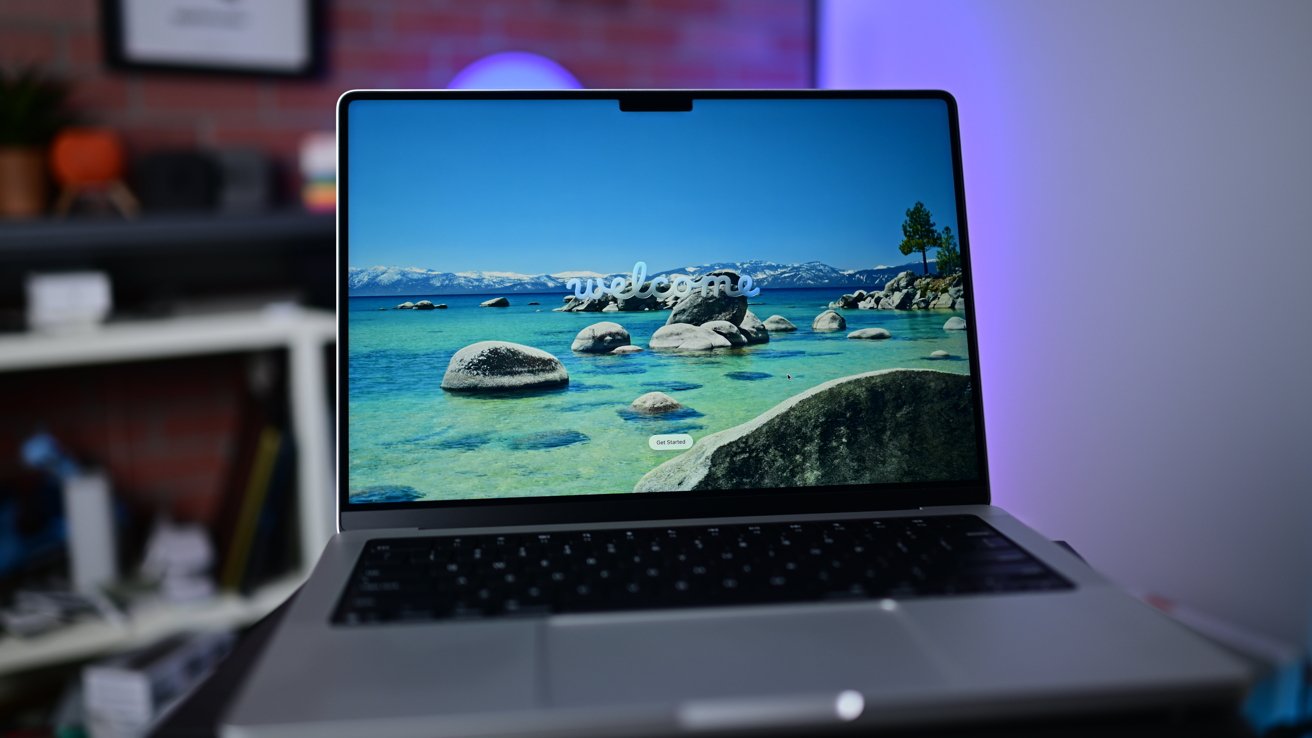
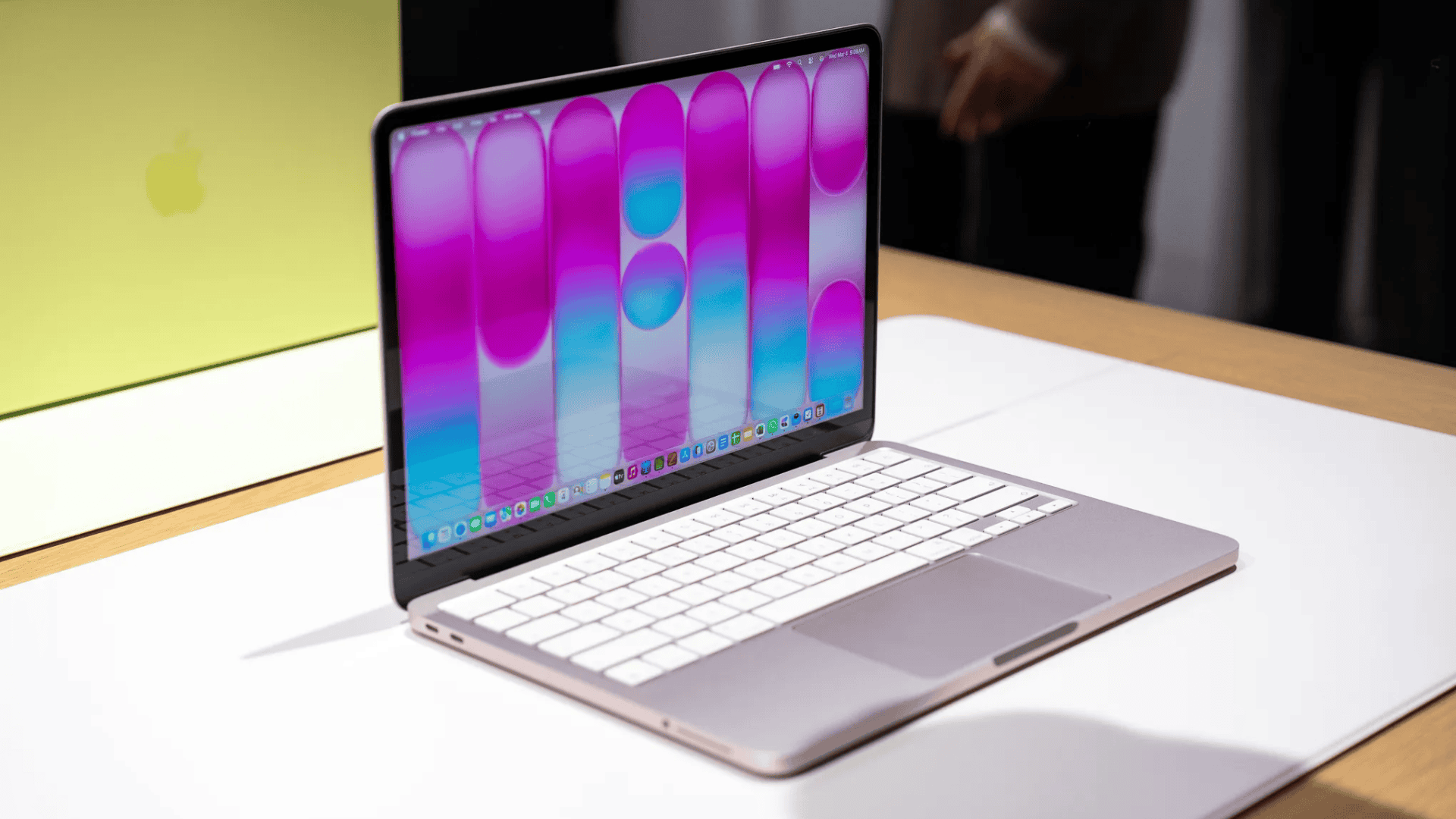
Despite its lower price point, the MacBook Neo does not compromise on design and build quality. Apple has maintained its signature aluminum body, ensuring durability and a premium feel. The laptop features a 13-inch Liquid Retina display with a resolution of 2408 by 1506 pixels, delivering sharp visuals and vibrant colors. The device is available in four colors: Blush, Indigo, Silver, and Citrus, catering to a variety of aesthetic preferences.
Under the hood, the MacBook Neo is powered by the A18 Pro chip, the same processor found in the iPhone 16 Pro models. This integration allows the laptop to handle everyday computing tasks efficiently. Apple claims that the MacBook Neo runs up to 50% faster in common tasks such as web browsing compared to popular PCs using Intel Core Ultra 5 processors. The device also boasts impressive battery life, offering up to 16 hours on a single charge, making it suitable for all-day use.
Limitations and Considerations:
While the MacBook Neo offers a compelling package, it does come with certain limitations. The base model includes 8GB of unified memory with no option for expansion, which may restrict multitasking capabilities for power users. Additionally, the laptop lacks a MagSafe charging port, relying solely on two USB-C ports for charging and connectivity. Notably, one of these ports supports USB-C 3 with speeds up to 10 Gb/s, while the other is limited to USB-C 2 with speeds up to 480 Mb/s. Furthermore, the MacBook Neo supports only one external display, which could be a drawback for users requiring multiple monitors.
Market Implications:
The introduction of the MacBook Neo signifies a strategic shift for Apple, targeting a demographic that previously found MacBooks financially out of reach. By offering a high-quality laptop at a competitive price, Apple aims to attract students, first-time Mac users, and budget-conscious consumers. This move not only expands Apple’s customer base but also intensifies competition within the budget laptop segment, traditionally dominated by Windows-based manufacturers.
Market research firm TrendForce projects that the MacBook Neo could ship between four and five million units in 2026, potentially increasing Apple’s notebook shipments by 7.7% year-over-year and pushing macOS market share to 13.2%. This anticipated growth underscores the significant impact the MacBook Neo could have on the global notebook market.
Conclusion:
Apple’s MacBook Neo represents a bold foray into the budget laptop market, challenging established norms and prompting competitors to reassess their offerings. While it comes with certain limitations, its combination of design, performance, and affordability makes it a compelling option for a broad range of consumers. As the industry continues to react to this disruptive entry, it will be interesting to observe how competitors adapt and how the market evolves in response to Apple’s strategic move.