Apple’s M6 MacBook Pro to Feature Optional Touchscreen Integration
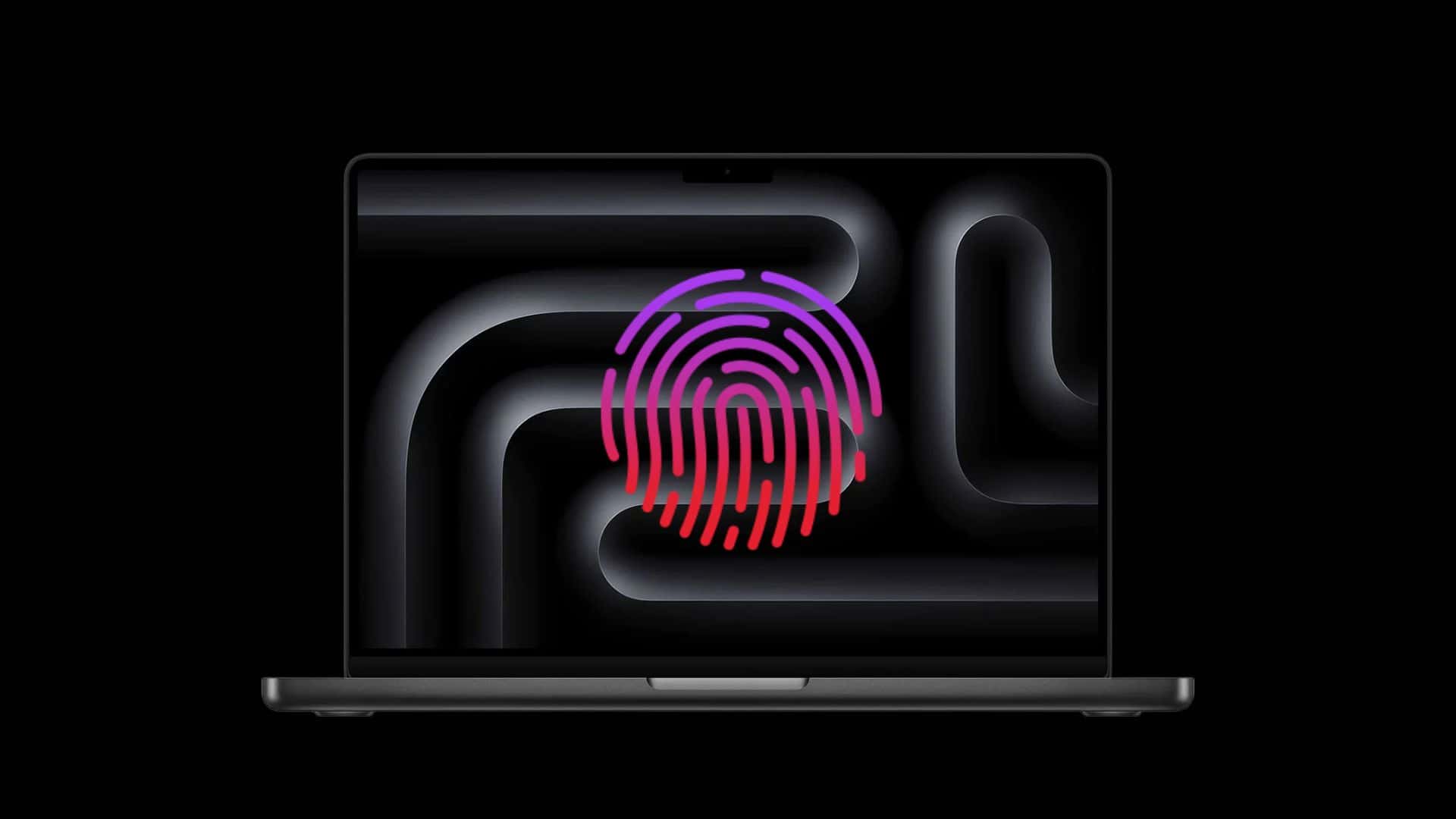
Apple is set to introduce a touchscreen feature in its upcoming M6 MacBook Pro, slated for release in late 2026. This addition aims to enhance user interaction without transforming the MacBook into a hybrid device akin to the iPad. The traditional keyboard, trackpad, and macOS interface will remain central to the user experience, with touch input serving as an auxiliary option.
The forthcoming MacBook Pro will also transition to OLED display technology, offering improved visual quality. Despite the inclusion of touch capabilities, Apple intends to preserve the core Mac experience, ensuring that users continue to rely on the pointer, trackpad gestures, and full desktop applications. To facilitate this, macOS will undergo refinements to make touch interactions more seamless and practical, all while maintaining the Mac’s distinct identity.
According to Bloomberg’s Mark Gurman, Apple is meticulously developing and marketing this feature to prevent any confusion between the Mac and iPad product lines. The touch-enabled MacBook Pro is designed to feel familiar to long-time users, with touch functionality introduced as a supplementary feature rather than a fundamental change in direction.
Touch Support Without a Hybrid Shift
Historically, Apple has resisted merging the Mac and iPad into a single hybrid device, recognizing that both product lines serve distinct purposes and generate significant revenue. Instead of combining them, Apple has promoted features like Sidecar and Continuity to enhance interoperability between the two devices.
The introduction of touch support in the MacBook Pro aligns with this strategy. The device will:
– Retain the full keyboard and large trackpad.
– Operate on standard macOS with desktop-class applications.
– Offer touch input as an optional feature, not the primary mode of interaction.
– Maintain the familiar MacBook Pro design language.
Even with a touchscreen, Apple will not adopt an iPad-style interface or replace macOS with iPadOS. The company believes that keeping these product categories distinct leads to better products and stronger sales. The Mac continues to offer higher sustained performance, robust battery life, larger displays, and built-in input tools, while the iPad remains optimized for touch and portability.
By introducing touch support without redefining the Mac’s essence, Apple aims to provide users with additional flexibility without compromising the device’s core functionality.