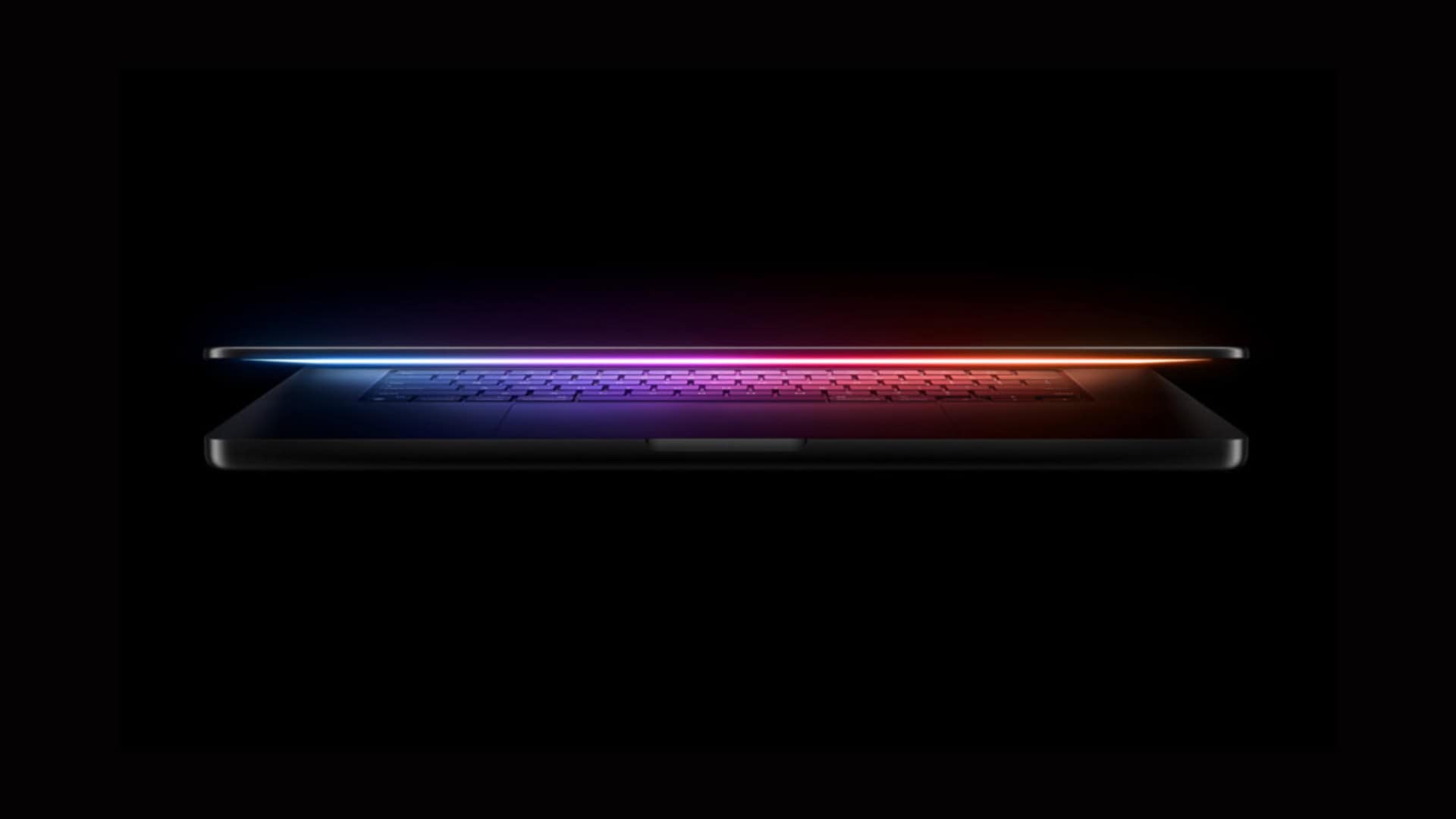
Apple’s M6 MacBook Pro: Embracing Touch with OLED Display and Dynamic Island
Apple is poised to revolutionize its MacBook Pro lineup with the forthcoming M6 model, introducing significant enhancements that mark a departure from its traditional design philosophy. Scheduled for release in late 2026, the M6 MacBook Pro is set to feature an OLED touchscreen display, integrate touch input into macOS, and replace the existing notch with a Dynamic Island cutout at the top of the screen.
Dynamic Island Integration
The Dynamic Island, a feature initially introduced on the iPhone, is making its way to the MacBook Pro. Positioned at the center top of the display, this interactive area will house the camera lens and dynamically display alerts, media controls, and live activities. The cutout is designed to be smaller than previous notches, maximizing screen real estate and providing a more immersive user experience. Through software integration, the Dynamic Island will seamlessly blend into the display, expanding contextually to present relevant information without disrupting workflow.
macOS Redesigned for Touch
To accommodate touch input, Apple is overhauling macOS with a refreshed interface that adapts based on user interaction. When a control is tapped, the system will respond differently than when clicked with a trackpad or mouse. For instance, tapping a button may bring up a new type of menu surrounding the finger, offering more relevant options for touch commands. The system will also adjust controls based on prior interactions; tapping a menu bar item will enlarge the options for easier selection with a finger. Features such as fast scrolling and pinch-to-zoom for images and PDFs will function similarly to their counterparts on the iPhone and iPad. Even the emoji picker will receive a touch-optimized layout. Despite these changes, Apple emphasizes that the MacBook Pro will not be positioned as a touch-first device; users can seamlessly switch between touch and traditional input methods.
Hardware Enhancements
The M6 MacBook Pro is expected to be available in 14-inch and 16-inch models, both featuring OLED touchscreens. The adoption of OLED technology promises improved color accuracy, deeper blacks, and enhanced energy efficiency compared to traditional LCDs. The inclusion of touch input signifies a notable shift in Apple’s approach, as the company has historically resisted integrating touchscreens into its Mac lineup. This change suggests a response to evolving user preferences and the growing demand for versatile computing devices.
Performance and Design
Under the hood, the M6 MacBook Pro will be powered by Apple’s M6 chip, built on a 2-nanometer process. This advancement is anticipated to deliver significant performance improvements and energy efficiency. The device is also expected to feature a thinner and lighter design, aligning with modern portability standards. Additionally, Apple is reportedly working on reinforcing the hinge and updating screen hardware to prevent wobbling during touch interactions, ensuring a stable and responsive user experience.
Production and Release Timeline
Reports indicate that Samsung Display has commenced mass production of 8th-generation OLED panels for the MacBook Pro earlier than planned, suggesting that Apple and its display partner are ahead of schedule. This development aligns with the anticipated late 2026 release date for the M6 MacBook Pro. The transition to OLED and the integration of touch input are expected to increase production costs, which may be reflected in the final pricing of the device.
Conclusion
The upcoming M6 MacBook Pro represents a significant evolution in Apple’s laptop offerings, blending traditional input methods with modern touch capabilities. By incorporating an OLED touchscreen, Dynamic Island, and a redesigned macOS interface, Apple aims to provide a more versatile and immersive computing experience. As the release date approaches, consumers can look forward to a MacBook Pro that bridges the gap between conventional laptops and touch-enabled devices, catering to a broader range of user preferences and workflows.