Apple’s Liquid Glass Design: A Lasting Legacy Amid Leadership Changes
Apple’s recent leadership transitions have sparked discussions about the future of its innovative Liquid Glass design. Despite the departure of key figures like Alan Dye, the company remains steadfast in its commitment to this transformative user interface.
The Emergence of Liquid Glass
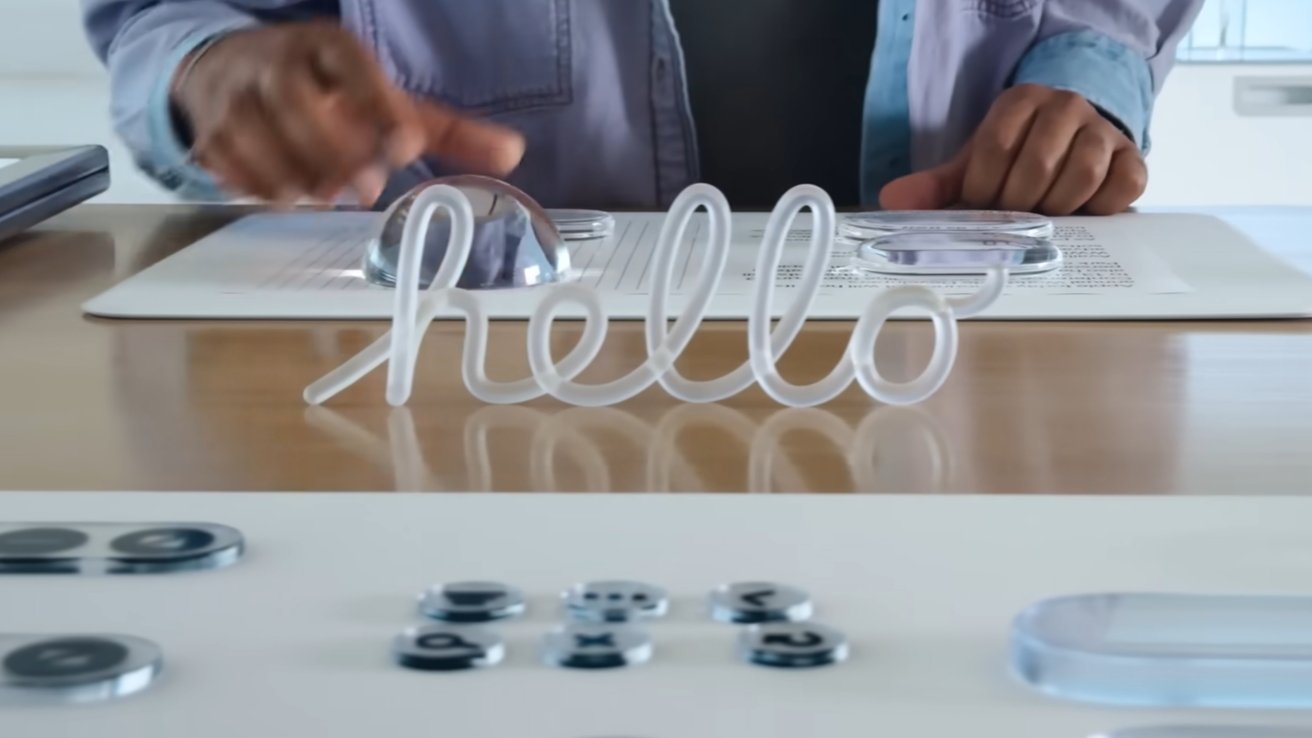
Introduced at the Worldwide Developers Conference (WWDC) in June 2025, Liquid Glass marked a significant evolution in Apple’s design philosophy. This design language utilizes real-time rendering to create a translucent, glass-like effect that dynamically responds to user interactions and environmental changes. The result is a more immersive and intuitive user experience across Apple’s ecosystem.
The Liquid Glass aesthetic extends to various user interface elements, including buttons, switches, and menus. It adapts based on the content being displayed, reminiscent of the blur effects introduced with iOS 7. This design is evident across iOS 26, macOS Tahoe, and tvOS 26, providing a cohesive visual experience for users. ([appleinsider.com](https://appleinsider.com/articles/25/06/09/apples-new-and-sweeping-user-interface-design-is-called-liquid-glass?utm_source=openai))
Leadership Transitions and Their Impact
In December 2025, Alan Dye, Apple’s Vice President of Human Interface Design and a pivotal figure behind Liquid Glass, departed the company to join Meta. His exit, along with other team members, raised questions about the continuity of Apple’s design direction. However, industry observers assert that Liquid Glass is here to stay. The design overhaul is deeply integrated into Apple’s operating systems, and reversing course would be both impractical and unlikely. ([appleinsider.com](https://appleinsider.com/articles/25/12/04/dyes-departure-doesnt-mean-liquid-glass-is-going-anywhere?utm_source=openai))
Stephen Lemay, a seasoned Apple designer with a tenure dating back to 1999, has been appointed to succeed Dye. Lemay’s extensive experience and deep understanding of Apple’s design ethos position him well to refine and enhance the Liquid Glass interface. His leadership is expected to bring a renewed focus on functionality and user-centric design, addressing some of the critiques that have emerged since Liquid Glass’s introduction.
User Reception and Future Prospects
The reception to Liquid Glass has been mixed. While many users appreciate the modern and dynamic aesthetic, some have reported issues such as optical illusions causing disorientation. These concerns highlight the need for ongoing refinement to ensure accessibility and usability for all users. ([forums.appleinsider.com](https://forums.appleinsider.com/discussion/241794?utm_source=openai))
Apple’s commitment to Liquid Glass is evident in its continued integration across devices. The design language is not merely a superficial change but a foundational shift that leverages advancements in Apple Silicon to deliver a more responsive and engaging user experience.
As Apple moves forward under new design leadership, the focus will likely be on perfecting the Liquid Glass interface. This includes addressing user feedback, enhancing performance, and ensuring that the design serves both aesthetic and functional purposes. The evolution of Liquid Glass will be a testament to Apple’s dedication to innovation and user experience.
Conclusion
Despite recent leadership changes, Apple’s Liquid Glass design remains a cornerstone of its user interface strategy. The company’s unwavering commitment to this design language underscores its belief in Liquid Glass’s potential to redefine user interactions across its ecosystem. With experienced leadership at the helm, Apple is poised to refine and enhance this design, ensuring it meets the high standards users have come to expect.