Apple’s Upcoming iPhone Lineup: A Bold Leap into Innovation
Apple is poised to redefine its iPhone lineup with a series of groundbreaking changes, signaling a departure from its traditional release patterns. This strategic shift aims to introduce innovative designs and features, catering to a diverse consumer base and staying ahead in the competitive smartphone market.
Introduction of New Models and Release Schedules
Historically, Apple has adhered to a consistent annual release cycle, unveiling four flagship iPhones each fall: two standard models and two Pro variants. However, recent developments indicate a significant transformation in this approach.
In early 2025, Apple introduced the iPhone 16e, marking the inception of a new series. Unlike previous models, the iPhone 16e debuted in February, breaking the September launch tradition. This model was not an isolated experiment; its successor, the iPhone 17e, followed suit, establishing a new annual pattern for the ‘e’ series.
The fall of 2025 witnessed another deviation with the launch of the iPhone Air. This addition disrupted the conventional lineup, which previously comprised two standard and two Pro models. The iPhone Air’s introduction signified Apple’s willingness to explore new form factors and market segments.
Anticipated Releases: Fall 2026 and Beyond
Looking ahead, Apple’s roadmap suggests a series of innovative releases:
– Fall 2026:
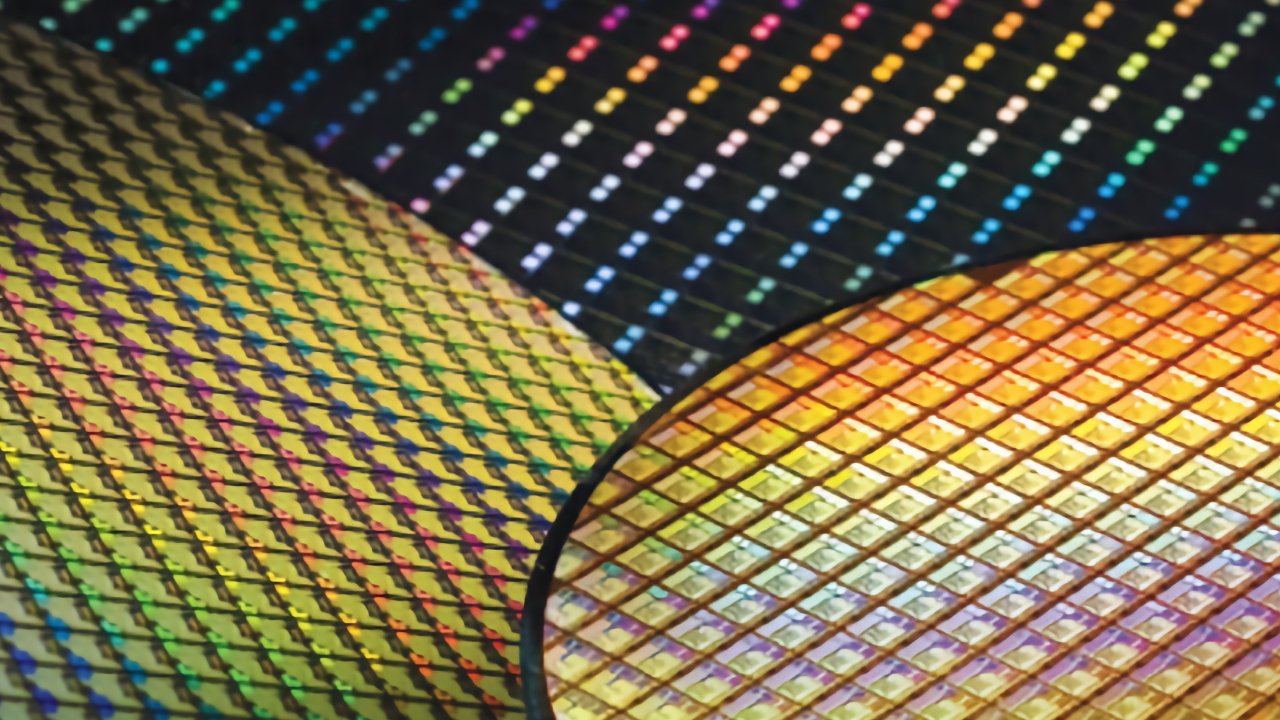
– iPhone 18 Pro and iPhone 18 Pro Max: These models are expected to feature under-display Face ID sensors, relocating the front-facing camera to the top-left of the display. Additionally, they may incorporate a mechanical aperture in at least one camera, enhancing low-light photography while preventing overexposure in bright conditions. Internally, these devices are anticipated to utilize advanced chip technology from TSMC, positioning memory chips closer to the core processor for improved performance.
– iPhone Fold: Apple’s first foray into foldable smartphones is projected for a fall 2026 release. The iPhone Fold is rumored to boast a 7.7-inch display when unfolded, offering an aspect ratio akin to the iPad. When folded, the display measures 5.3 inches, presenting a wider-than-tall form factor. However, reports indicate that Apple is encountering significant challenges with display defects during trial production, which could impact the release timeline.
– Spring 2027:
– iPhone 18e: Continuing the ‘e’ series, the iPhone 18e is expected to offer incremental updates, including the integration of Apple’s latest C1X modem and the reintroduction of a glass back supporting magnetic wireless charging—a feature notably absent in its predecessor.
– iPhone Air 2: Initially slated for a fall 2026 release, the iPhone Air 2 has been delayed to spring 2027. This postponement allows Apple to address consumer feedback by adding a second rear camera, enhancing the device’s photographic capabilities. The revised timeline underscores Apple’s commitment to delivering a refined product that meets user expectations.
Future Innovations: iPhone 20 and Beyond
The fall of 2027 is set to mark a significant milestone with the anticipated release of the ‘iPhone 20.’ This model is rumored to feature a fully cutout-free display, with the screen seamlessly wrapping around the bezels, offering an immersive visual experience. The nomenclature and positioning of this model within the existing lineup remain subjects of speculation.
Additionally, reports suggest that Apple is exploring a flip-style folding iPhone, reminiscent of classic flip phones but with modern technological advancements. While this concept is still in the testing phase, any potential release would likely be several years away, reflecting Apple’s cautious approach to introducing new form factors.
Implications of the Expanded Lineup
The prospective expansion of Apple’s iPhone lineup to include multiple models—ranging from the ‘e’ series and standard iPhones to Pro variants, the Air series, foldable models, and potentially the ‘iPhone 20’ and ‘iPhone Flip’—raises questions about market strategy and consumer choice.
On one hand, this diversification could lead to confusion among consumers, complicating purchasing decisions and diluting the brand’s streamlined image. On the other hand, it represents a bold move towards innovation and adaptability, allowing Apple to cater to a broader audience with varied preferences and needs.
Conclusion
Apple’s rumored iPhone roadmap indicates a period of significant transformation and innovation. By introducing new models with unique features and adjusting release schedules, Apple aims to stay at the forefront of technological advancement and consumer satisfaction. While these changes carry inherent risks, they also present opportunities for growth and differentiation in a saturated market. As these developments unfold, consumers and industry observers alike will be keenly watching how Apple navigates this ambitious evolution of its flagship product.