Apple’s iOS 27 to Introduce Comprehensive Control Over Liquid Glass Transparency
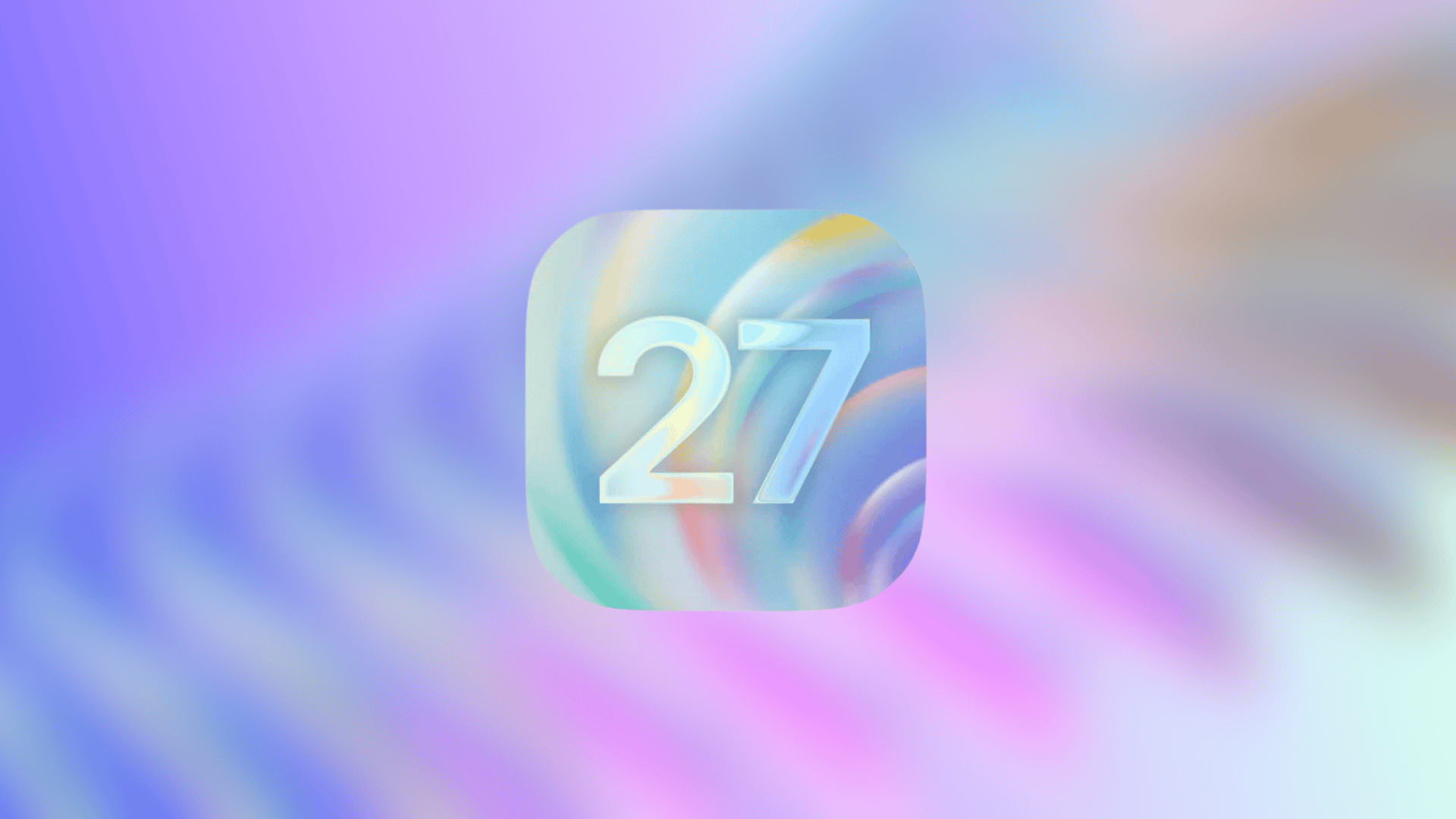
Apple is set to enhance user customization in its upcoming iOS 27 by providing extensive control over the Liquid Glass interface’s transparency. This development aims to address user feedback and refine the visual experience introduced in previous iOS versions.
Evolution of Liquid Glass in iOS
The Liquid Glass design, first introduced in iOS 26, brought a translucent, glass-like aesthetic to various interface elements, including buttons, navigation bars, icons, and widgets. While this design added depth and modernity, it also sparked discussions regarding its impact on readability and user comfort.
In response, Apple released iOS 26.1, which offered users a choice between Clear and Tinted interface styles. This allowed for slight adjustments in opacity, catering to individual preferences for transparency levels. Further refinement came with iOS 26.2, introducing a slider specifically for the Lock Screen clock, enabling users to fine-tune its opacity. However, these controls were limited to specific elements, leaving the broader interface settings unchanged.
Anticipated Features in iOS 27
According to reports from Bloomberg’s Mark Gurman, Apple is developing a system-wide slider in iOS 27 that will allow users to adjust the transparency of the Liquid Glass effect across the entire operating system. This feature aims to provide a more personalized and comfortable visual experience by enabling users to set their preferred levels of translucency for all interface elements.
Challenges and Development Insights
During the development of iOS 26, Apple attempted to implement a comprehensive transparency control but encountered engineering challenges. Ensuring consistent application of transparency adjustments across all interface layers, including folders, navigation bars, and home screen elements, proved complex. These difficulties led to the initial limitation of opacity controls to specific elements like the Lock Screen clock.
With iOS 27, Apple appears to be revisiting this feature, aiming to overcome previous obstacles and deliver a more flexible and user-centric interface customization option.
User Implications and Expectations
The introduction of a system-wide transparency slider is expected to significantly enhance user experience by allowing for greater personalization of the interface’s appearance. Users who found the Liquid Glass effect too pronounced or distracting will have the ability to adjust it to their comfort levels, potentially improving readability and overall satisfaction.
This move aligns with Apple’s ongoing efforts to balance aesthetic innovation with user accessibility and comfort, acknowledging diverse preferences and needs.
Looking Ahead
Apple is anticipated to unveil iOS 27 during its Worldwide Developers Conference (WWDC) in June, with a public release likely in September alongside the next iPhone lineup. As development progresses, more details about the new features and enhancements, including the comprehensive Liquid Glass transparency control, are expected to emerge.
This development reflects Apple’s commitment to refining its user interface designs based on user feedback and technological advancements, aiming to provide a more adaptable and user-friendly experience.