Apple’s iOS 27 and macOS 27: Refining Liquid Glass Design with Enhanced Performance
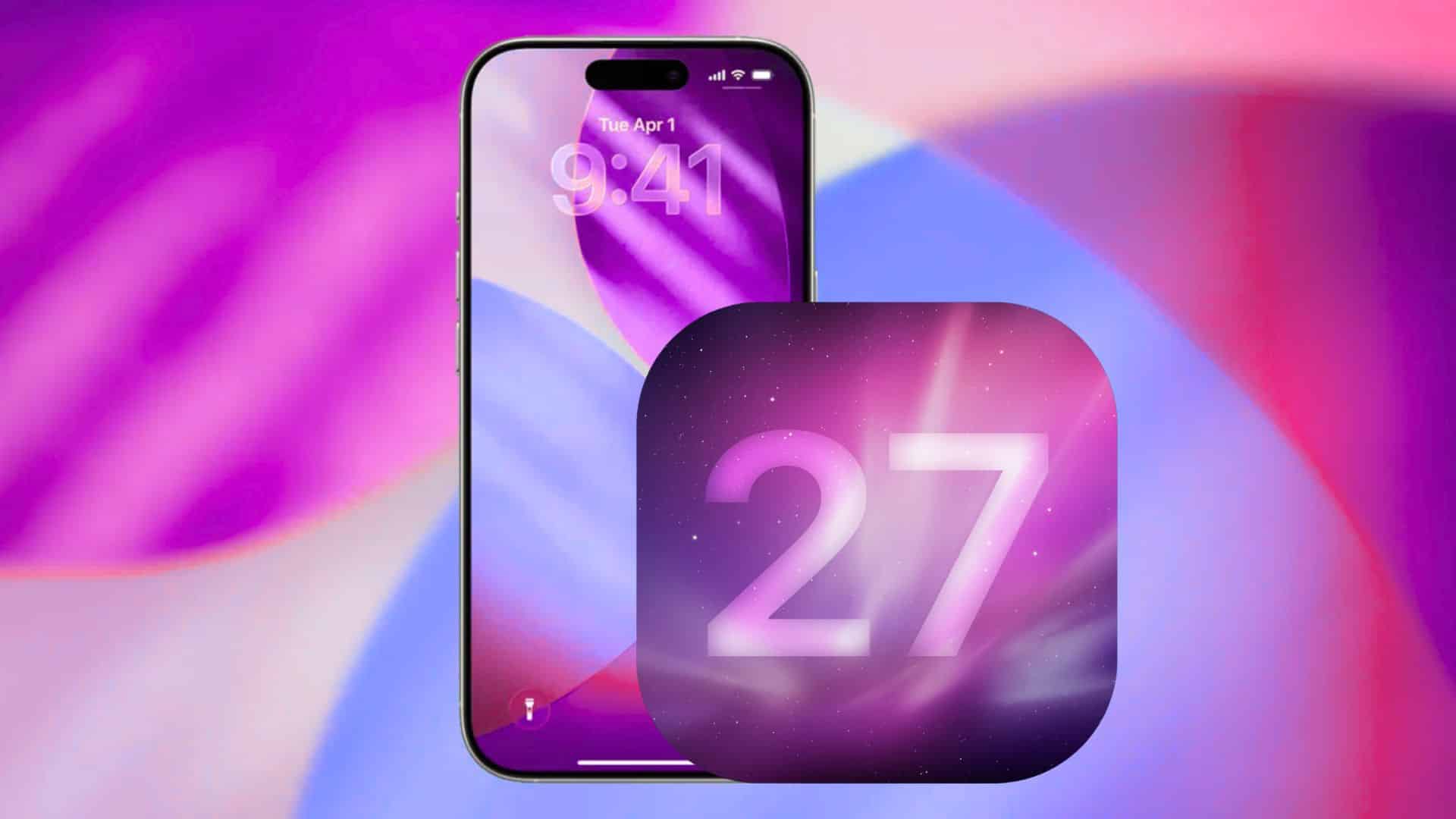
Apple is set to unveil its latest software updates—iOS 27, macOS 27, and watchOS 27—in the coming months. Early reports indicate that these updates will prioritize performance enhancements and stability improvements over significant visual redesigns. This approach suggests that Apple is committed to refining its existing Liquid Glass interface rather than introducing a new design language.
The Evolution of Liquid Glass Design
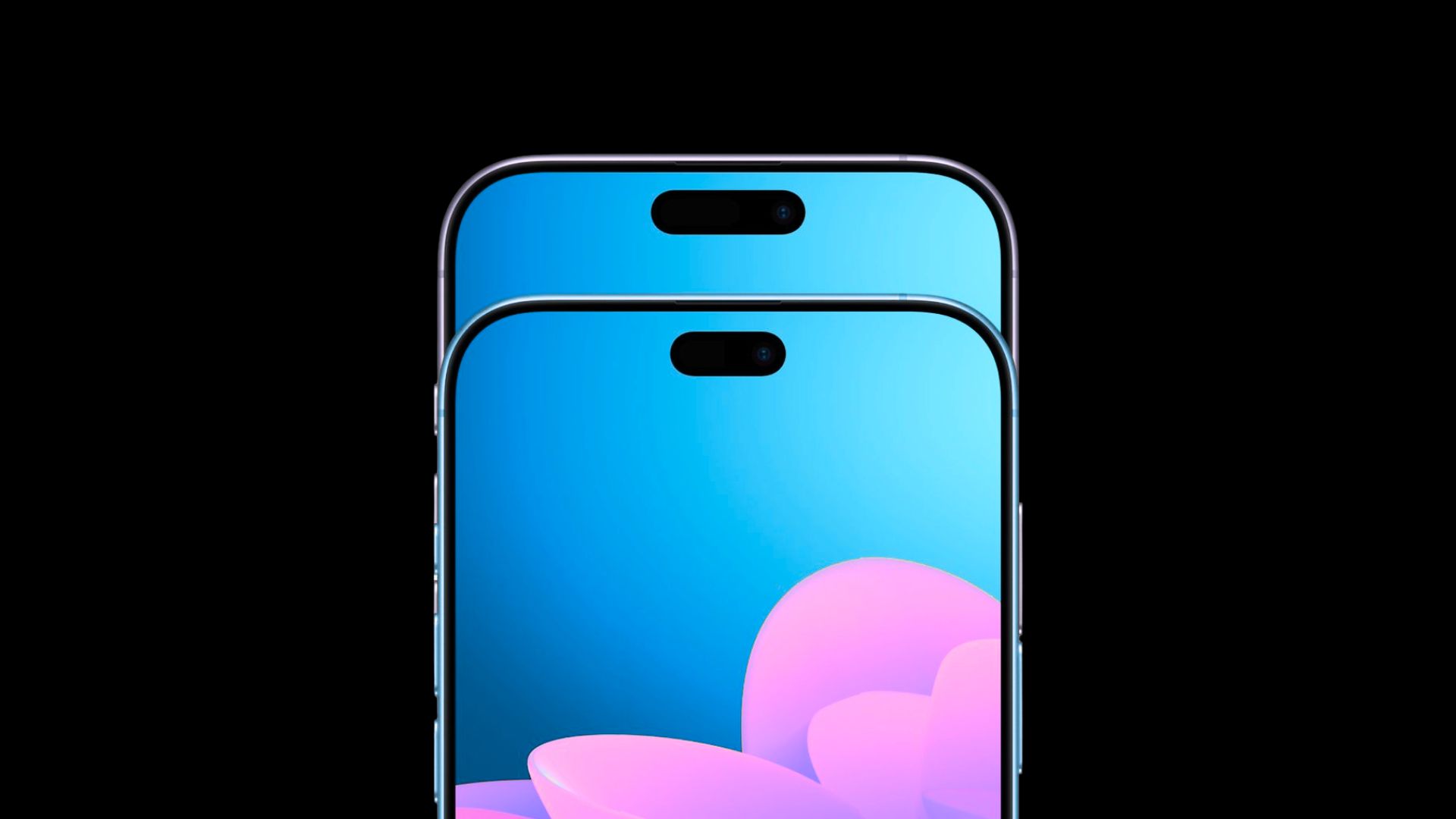
Introduced with iOS 26, the Liquid Glass design brought a sleek, glass-like aesthetic to Apple’s operating systems, featuring transparent elements across buttons, navigation bars, widgets, and icons. While some users appreciated the modern look and fluid animations, others raised concerns about readability issues, particularly when transparent elements overlapped with text or icons.
In response to this feedback, Apple implemented customization options in subsequent updates. iOS 26.1 introduced a Tinted style, allowing users to adjust the transparency levels of interface elements. Further refinements in iOS 26.4 included a toggle to disable certain highlights, providing users with more control over the visual aspects of the interface.
No Major Design Overhaul in iOS 27 and macOS 27
According to Bloomberg’s Mark Gurman, internal versions of iOS 27 and macOS 27 do not reflect major design changes. This indicates that Apple plans to continue refining the Liquid Glass design rather than replacing it. The development of Liquid Glass was a multi-year endeavor, and Apple appears committed to its gradual improvement rather than abandoning it after a single release cycle.
Potential for Enhanced Customization
Despite the absence of a complete redesign, Apple is reportedly exploring additional customization tools for the Liquid Glass interface. During the development of iOS 26, engineers tested a system-wide slider that would allow users to control the intensity of the glass effect across the operating system. While this feature was successfully applied to the lock screen clock, technical challenges prevented its extension to other areas such as folders, the home screen, and navigation bars.
If these challenges are addressed in iOS 27, users may gain broader control over the Liquid Glass effect, enabling them to adjust transparency levels to their preference. This potential enhancement would offer a more personalized user experience, catering to individual aesthetic tastes and readability requirements.
Focus on Performance and Stability
The decision to prioritize performance improvements and stability in iOS 27 and macOS 27 aligns with Apple’s broader strategy of delivering reliable and efficient software. By focusing on refining existing features and addressing user feedback, Apple aims to enhance the overall user experience without introducing drastic changes that could disrupt familiarity and usability.
Conclusion
As Apple prepares to release iOS 27 and macOS 27, the emphasis appears to be on refining the Liquid Glass design and enhancing system performance. While a major visual overhaul is unlikely, users can anticipate incremental improvements that address previous concerns and offer greater customization options. This approach reflects Apple’s commitment to balancing innovation with user-centric design, ensuring that its operating systems remain both functional and visually appealing.