Apple’s C-Series Modem Introduces ‘Limit Precise Location’ for Enhanced User Privacy
In an era where digital privacy is paramount, Apple continues to lead the charge in safeguarding user data. With the upcoming release of iOS 26.3, Apple is set to introduce a groundbreaking feature named Limit Precise Location, designed to obscure users’ exact whereabouts from cellular carriers. This initiative marks a significant advancement in user privacy, building upon Apple’s history of implementing robust security measures.
Understanding the ‘Limit Precise Location’ Feature
Traditionally, while iPhone users could restrict apps from accessing their precise location, cellular carriers retained the ability to pinpoint users’ exact positions through data exchanged during network connections. This capability has raised privacy concerns, especially following a 2020 lawsuit where carriers were found to have violated user privacy by exploiting such data.
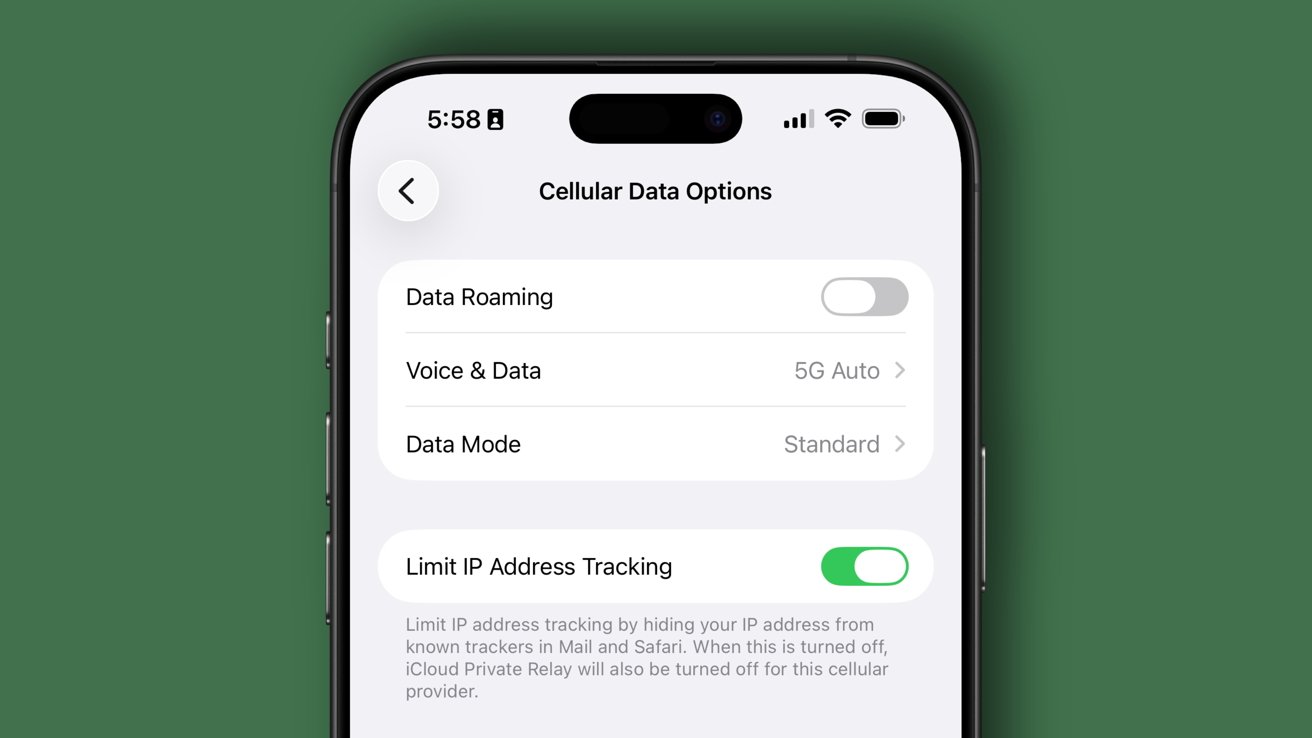
The Limit Precise Location feature aims to mitigate these concerns by providing carriers with only approximate location data, thereby preventing them from tracking users with pinpoint accuracy. This approach mirrors Apple’s previous privacy enhancements, such as App Tracking Transparency, which curtailed web tracking, and iCloud Private Relay, which shielded users from ISP surveillance.
Deployment and Compatibility
Apple’s support documentation indicates that Limit Precise Location will debut with iOS 26.3, anticipated for public release in February 2026. However, the feature’s effectiveness hinges on carrier support. At launch, the following carriers are confirmed to support this privacy enhancement:
– Germany: Telekom
– United Kingdom: EE, BT
– United States: Boost Mobile
– Thailand: AIS, True
It’s important to note that the feature’s availability is also contingent upon hardware compatibility. Specifically, devices equipped with Apple’s C-series modem will support Limit Precise Location. Currently, this includes:
– iPhone Air
– iPhone 16e
– iPad Pro with M5 and cellular capabilities
As Apple continues to develop its modem technology, it’s expected that more devices will support this feature throughout 2026. However, the hardware requirement underscores the necessity of the C-series modem for this privacy function.
The Significance of Limiting Precise Tracking
The introduction of Limit Precise Location is a crucial step in enhancing user privacy. By restricting carriers’ access to exact location data, users gain greater control over their personal information. This limitation also reduces the potential for government entities to subpoena precise location data from carriers, as the information becomes less specific and, consequently, less useful.
While carriers have previously utilized location data for advertising purposes—a practice curtailed by legal actions—the possession of such data still poses privacy risks. By providing only approximate location information, the data’s value diminishes, potentially leading to fewer governmental demands and a reduced risk of misuse.
Anticipated Challenges and Future Outlook
Despite the clear benefits, the rollout of Limit Precise Location may encounter challenges. The feature’s effectiveness depends on both carrier adoption and hardware compatibility, which could result in a gradual implementation process. Additionally, as with previous privacy initiatives like encryption and ad tracking limitations, this new feature may face legal scrutiny from regulators or resistance from carriers.
Nevertheless, Apple’s commitment to user privacy remains steadfast. The development of the C-series modem exemplifies Apple’s dedication to integrating privacy-focused features directly into its hardware. As the company continues to innovate, users can anticipate further enhancements that prioritize the protection of personal data.
Conclusion
Apple’s introduction of the Limit Precise Location feature in iOS 26.3 represents a significant advancement in user privacy. By leveraging the capabilities of the C-series modem, Apple empowers users to control their location data more effectively, reducing the potential for unauthorized tracking by carriers. As this feature rolls out, it underscores the importance of hardware and software integration in safeguarding personal information in the digital age.