Apple’s Home Hardware Chief Departs for Oura, Signaling Strategic Shifts
In a significant development within Apple’s hardware division, Brian Lynch, the senior director overseeing home hardware engineering, has announced his departure after more than two decades with the company. Lynch is set to join Oura, a company renowned for its smart ring technology, as their Senior Vice President of Hardware Engineering.
Lynch’s tenure at Apple was marked by his leadership in developing smart home devices, a sector that has seen substantial growth and competition in recent years. His move to Oura underscores the increasing convergence between wearable technology and smart home ecosystems, highlighting a trend where personal health monitoring devices are becoming integral to home automation systems.
Oura has been actively recruiting talent from Apple, with Lynch’s appointment being the latest in a series of strategic hires aimed at bolstering their hardware capabilities. This talent acquisition strategy reflects Oura’s ambition to expand its product offerings and enhance its position in the wearable technology market.
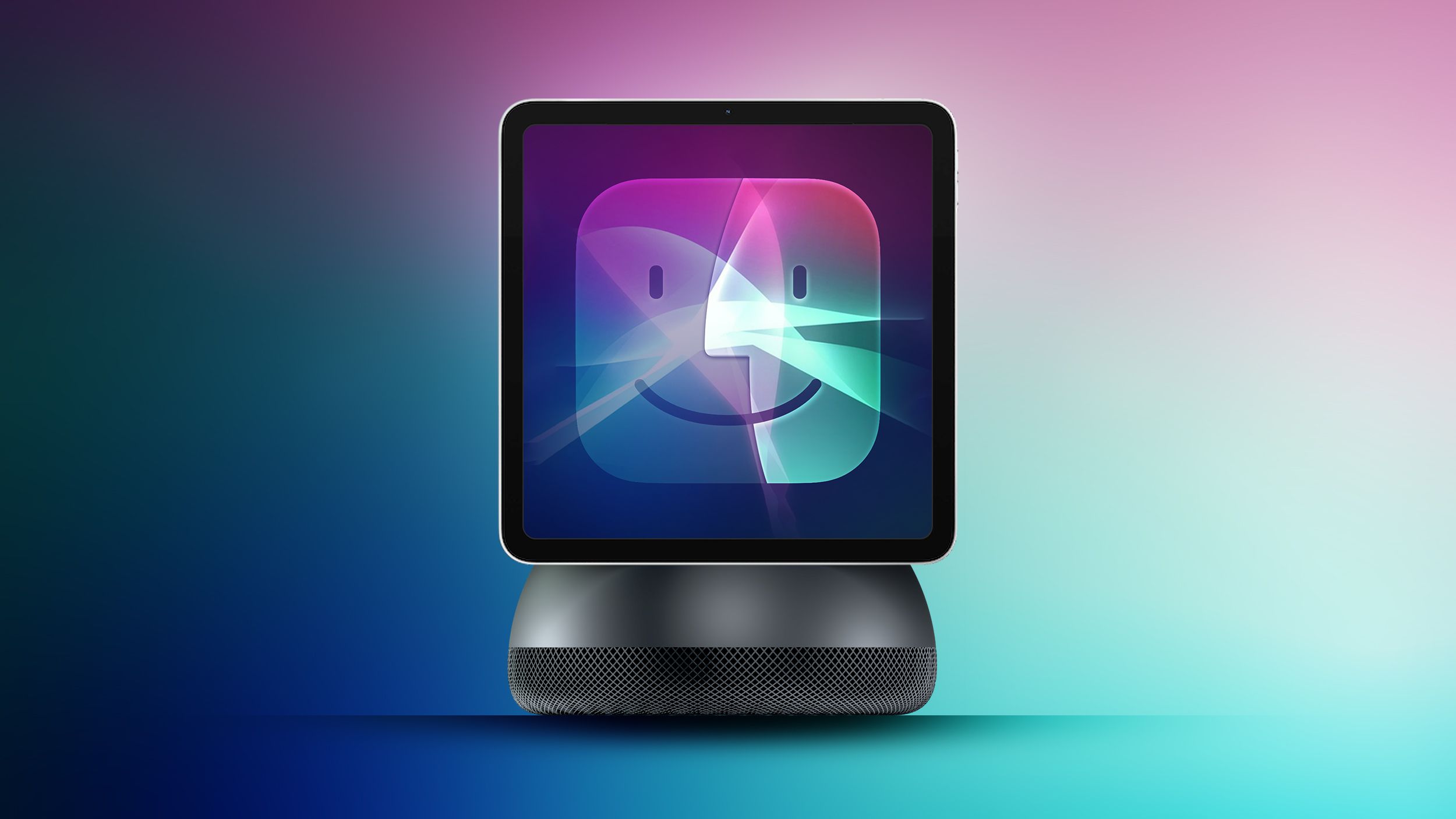
Lynch’s departure comes at a pivotal time for Apple’s home products team, which is reportedly experiencing internal challenges as it strives to introduce new devices. According to Bloomberg, the launch of a highly anticipated smart home hub has been delayed due to developmental hurdles, particularly concerning Siri integration. The release is now projected for September 2026, with additional products like a home security and automation sensor and an advanced tabletop robot slated for 2027.
Apple’s roadmap also includes ventures into wearable technology, with plans for smart glasses, an AI-powered wearable pendant or pin, and AirPods equipped with cameras. These initiatives indicate Apple’s commitment to diversifying its product portfolio and integrating artificial intelligence into its devices.
Lynch’s extensive experience at Apple, including his involvement in the now-discontinued car development project, positions him as a valuable asset to Oura. His expertise is expected to drive innovation in Oura’s hardware development, potentially leading to new product categories that bridge the gap between personal health monitoring and home automation.
Within Apple’s organizational structure, Lynch reported to Matt Costello, who oversees audio engineering and Beats products. Costello, in turn, reports to John Ternus, Apple’s Senior Vice President of Hardware Engineering. The departure of a key figure like Lynch may prompt Apple to reassess its leadership and development strategies within the home hardware segment.
The smart home market is witnessing rapid evolution, with companies like Amazon and Google making significant strides in integrating their voice assistants and smart devices into consumers’ daily lives. Apple’s delayed entry into this space, compounded by internal challenges and leadership changes, raises questions about its ability to compete effectively.
However, Apple’s history of innovation and its ecosystem’s seamless integration offer a strong foundation for future developments. The company’s focus on privacy and security could serve as a differentiator in the smart home market, appealing to consumers concerned about data protection.
As Apple navigates these transitions, the industry will be keenly observing how the company adapts its strategies to maintain its competitive edge. The departure of seasoned leaders like Lynch presents both challenges and opportunities for Apple to redefine its approach to smart home technology and wearable devices.
In conclusion, Brian Lynch’s move to Oura signifies a notable shift in the tech industry’s talent landscape, emphasizing the growing importance of wearable technology in the broader context of home automation. Apple’s response to this change will be critical in shaping its future trajectory in the smart home and wearable markets.