Apple’s Home Hardware Chief Departs for Oura: A Strategic Shift in Smart Home Leadership
In a significant move within the tech industry, Brian Lynch, who recently led Apple’s smart home hardware division, has transitioned to a senior executive role at Oura, the renowned smart ring manufacturer. This departure underscores the dynamic nature of leadership within major technology firms and highlights the evolving landscape of smart home and wearable technology sectors.
Brian Lynch’s Tenure at Apple
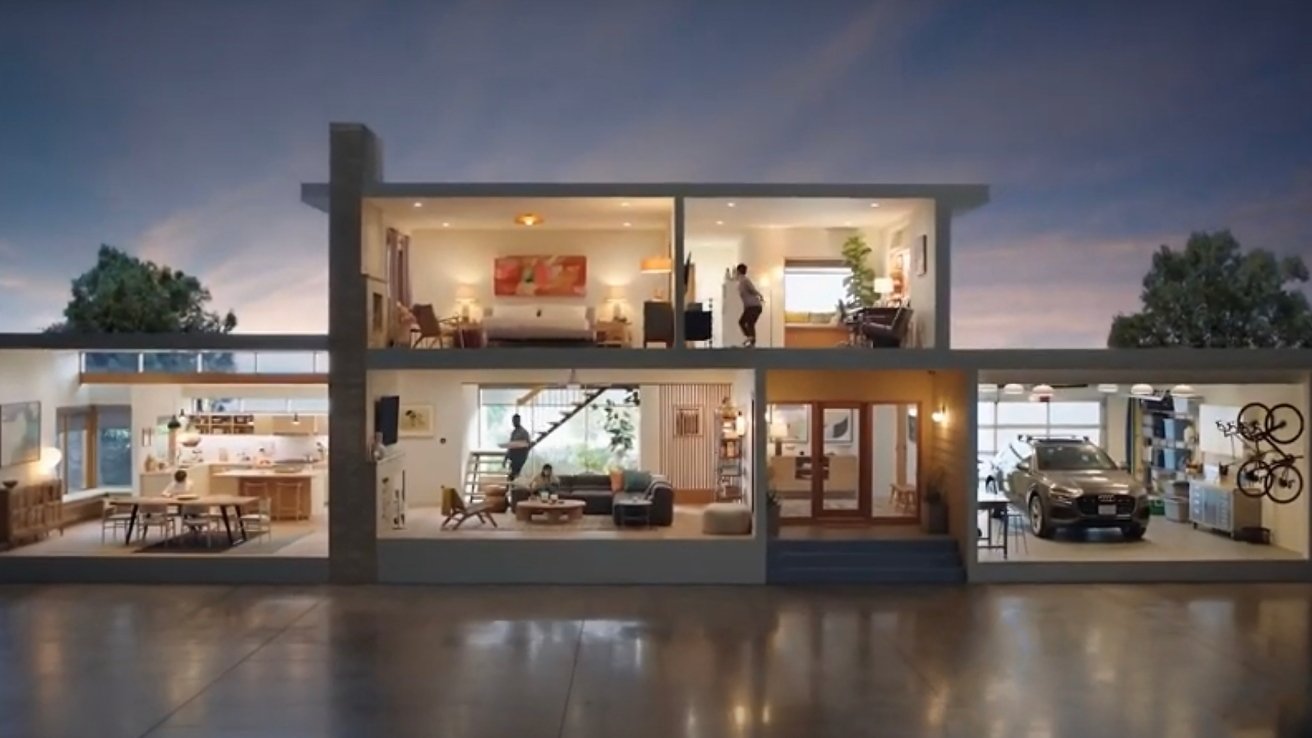
Brian Lynch’s tenure at Apple, though brief, was marked by pivotal contributions to the company’s smart home initiatives. As the overseer of Apple’s HomeKit and related hardware projects, Lynch played a crucial role in advancing the integration of Apple’s devices within the smart home ecosystem. His leadership was instrumental in enhancing the functionality and user experience of products like the HomePod and Apple TV, positioning Apple as a formidable competitor in the smart home market.
The Strategic Move to Oura
Lynch’s decision to join Oura as a senior executive is indicative of the growing significance of wearable technology in the health and wellness domain. Oura’s smart rings have garnered acclaim for their ability to monitor various health metrics, including sleep patterns, heart rate variability, and activity levels. By bringing Lynch on board, Oura aims to leverage his extensive experience in hardware development and ecosystem integration to further innovate and expand its product offerings.
Implications for Apple
Lynch’s departure is part of a broader trend of executive transitions within Apple. For instance, in October 2024, Dan Riccio, Apple’s former hardware chief and leader of the Apple Vision Pro team, announced his retirement. Similarly, Carol Surface, who served as Apple’s Chief People Officer, departed after a 20-month tenure. These movements reflect the dynamic nature of leadership within Apple and the tech industry at large.
Despite these changes, Apple continues to demonstrate resilience and adaptability. The company has a history of effectively managing leadership transitions, ensuring that its strategic objectives remain on course. The departure of key figures like Lynch presents opportunities for Apple to infuse fresh perspectives into its smart home initiatives, potentially leading to innovative developments in the near future.
The Evolving Smart Home and Wearable Tech Landscape
Lynch’s move to Oura also highlights the increasing convergence between smart home technologies and wearable devices. Consumers are seeking more integrated and seamless experiences that bridge the gap between personal health monitoring and home automation. Companies like Oura are at the forefront of this trend, developing products that not only track health metrics but also interact with other smart devices to create a cohesive user experience.
For Apple, this shift presents both challenges and opportunities. The company has been investing in health-related features across its product lines, from the Apple Watch’s fitness tracking capabilities to the Health app’s comprehensive data aggregation. Lynch’s departure may prompt Apple to reassess and potentially accelerate its strategies in the wearable and smart home sectors to maintain its competitive edge.
Looking Ahead
As Brian Lynch embarks on his new role at Oura, the tech industry will be keenly observing the impact of his leadership on the company’s product development and market positioning. Simultaneously, Apple’s response to this and other recent executive departures will be indicative of its strategic direction in the rapidly evolving smart home and wearable technology markets.
In conclusion, leadership changes such as Lynch’s transition from Apple to Oura underscore the fluidity and competitiveness of the tech industry. They serve as a reminder of the continuous innovation and strategic realignment necessary for companies to thrive in the ever-changing landscape of technology and consumer preferences.