Apple’s Acquisition of Q.ai Signals a Future of Silent Speech Control in AirPods Pro
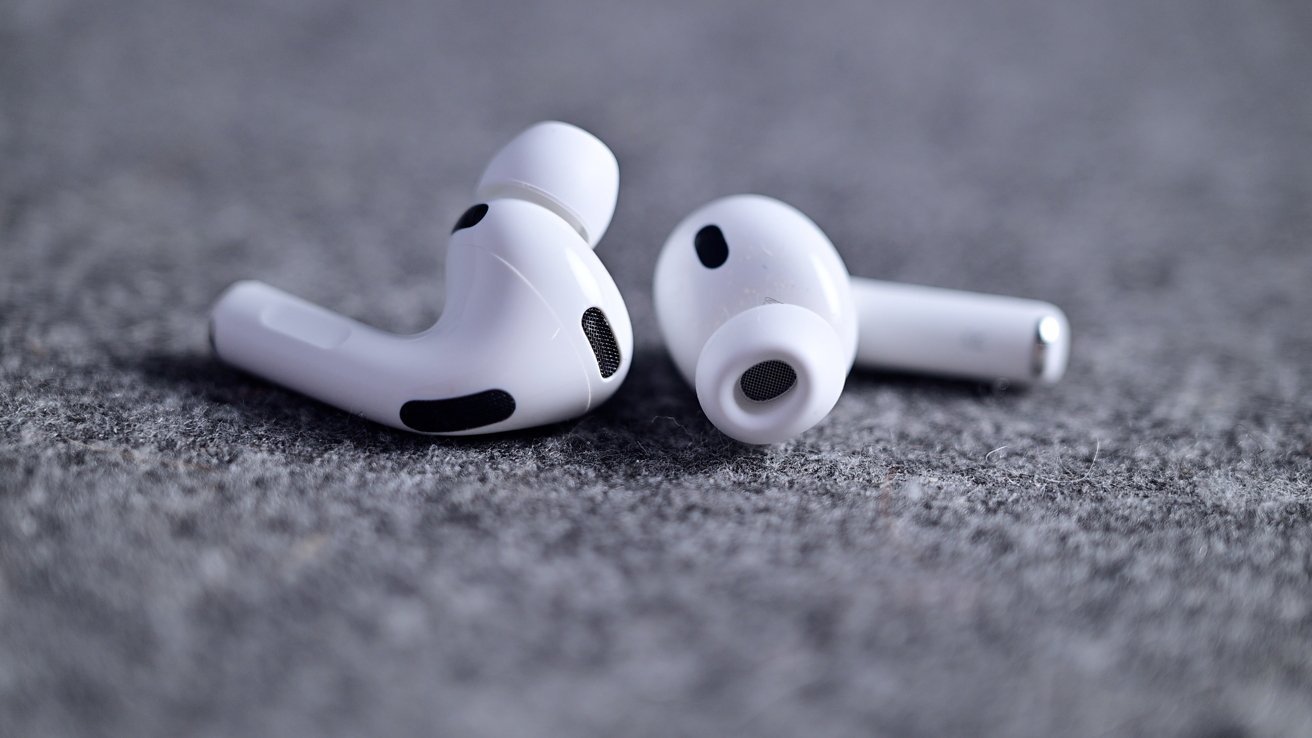
Apple’s recent acquisition of Israeli startup Q.ai for $2 billion has sparked discussions about the future of its AirPods Pro lineup. This strategic move, combined with ongoing rumors about integrating infrared (IR) cameras into AirPods, suggests a significant shift toward more intuitive and discreet user interactions.
Q.ai’s Expertise in Silent Speech Recognition
Q.ai specializes in machine learning technologies capable of interpreting whispered or silent speech by analyzing microfacial movements—subtle muscle changes around the mouth and face that occur even without audible speech. This capability is particularly valuable in noisy environments or situations where speaking aloud is impractical.
Patent Insights and Technological Integration
In July 2025, Apple secured a patent detailing camera-based systems akin to the Face ID dot projector, designed for proximity detection and 3D depth mapping. While the patent doesn’t explicitly mention AirPods, the described technology aligns seamlessly with the concept of embedding tiny IR cameras into earbuds to monitor facial movements closely.
Infrared Cameras in Future AirPods Pro Models
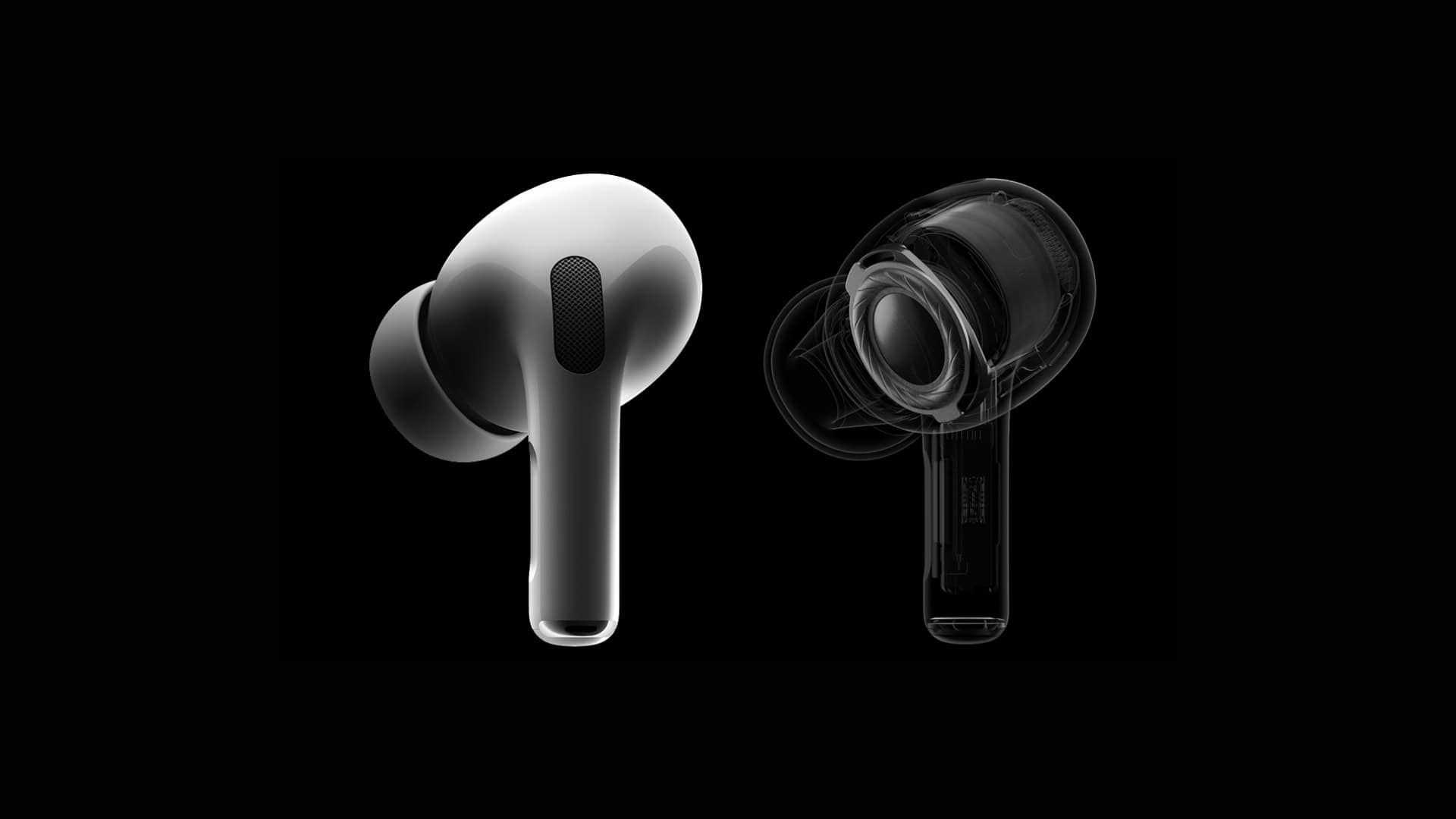
Renowned supply chain analyst Ming-Chi Kuo has reported that Apple plans to incorporate IR cameras into upcoming AirPods Pro models. These sensors are expected to support gesture control, enhance spatial awareness, and improve integration with devices like the Apple Vision Pro. Prototype collector Kosutami further claims that each earbud will feature a camera capable of sensing the surrounding space, paving the way for hands-free controls that extend beyond traditional touch and voice commands.
Silent Speech: A New Interaction Paradigm
The integration of IR cameras and Q.ai’s software could revolutionize user interaction by enabling silent speech recognition. This technology would allow users to send messages, control applications, or interact with Siri without vocalizing commands. By tracking microfacial movements, the system could translate these subtle cues into actionable inputs, offering a discreet and efficient communication method.
Analysts on social media platform X have highlighted the potential impact:
> The cameras will pick up the user’s silent speech/whispers by analyzing facial micro movements. This will let the user use voice-to-text in apps like iMessage without speaking out loud, or interact with Siri in a busy train without raising their voice. It will finally end the social stigma around saying ‘Hey Siri’ or taking a phone call in public places.
Aviad Maizels’ Influence and Apple’s Trust in Camera-Based Sensing
Aviad Maizels, Q.ai’s founder, previously co-founded PrimeSense—the company behind the core technology used in Apple’s Face ID. This background suggests that Apple has confidence in camera-based sensing technologies and their scalability across various products.
Broader Implications for Apple’s Wearable Ecosystem
The potential benefits of silent speech control extend beyond AirPods Pro. Devices like the Vision Pro, rumored Apple Glasses, and other wearable hardware could leverage this technology to offer subtle, private input methods. Reducing reliance on audible voice commands and overt hand gestures could enhance user experience and privacy.
Market Positioning and Pricing Considerations
While pricing details remain speculative, some leaks suggest that Apple may maintain the current price point for AirPods Pro, while others indicate the introduction of a higher-tier model. Regardless, the acquisition of Q.ai underscores Apple’s commitment to developing more natural and discreet ways for users to interact with their devices.
Conclusion
Apple’s acquisition of Q.ai and the anticipated integration of IR cameras into AirPods Pro signal a transformative approach to user interaction. By enabling silent speech recognition through advanced machine learning and camera technologies, Apple aims to provide users with more intuitive, private, and efficient ways to communicate with their devices. This development not only enhances the functionality of AirPods Pro but also sets the stage for broader applications across Apple’s wearable ecosystem.