Apple’s 2026 MacBook Pro: Touchscreen, Dynamic Island, and macOS Redefined
In a groundbreaking shift, Apple is set to unveil a redesigned MacBook Pro in late 2026, integrating a touchscreen OLED display and the innovative Dynamic Island feature, previously exclusive to the iPhone. This evolution signifies a major departure from Apple’s traditional design philosophy, aiming to enhance user interaction and functionality.
Dynamic Island Integration
The forthcoming MacBook Pro will replace the existing notch with the Dynamic Island, an interactive, pill-shaped area that adapts contextually to various applications and system functions. This design not only maximizes screen real estate but also introduces a dynamic interface element that responds to user activities, providing a more immersive experience. The Dynamic Island’s adaptability ensures that notifications, alerts, and controls are seamlessly integrated into the display, enhancing both aesthetics and usability.
Touchscreen Capabilities and macOS Enhancements
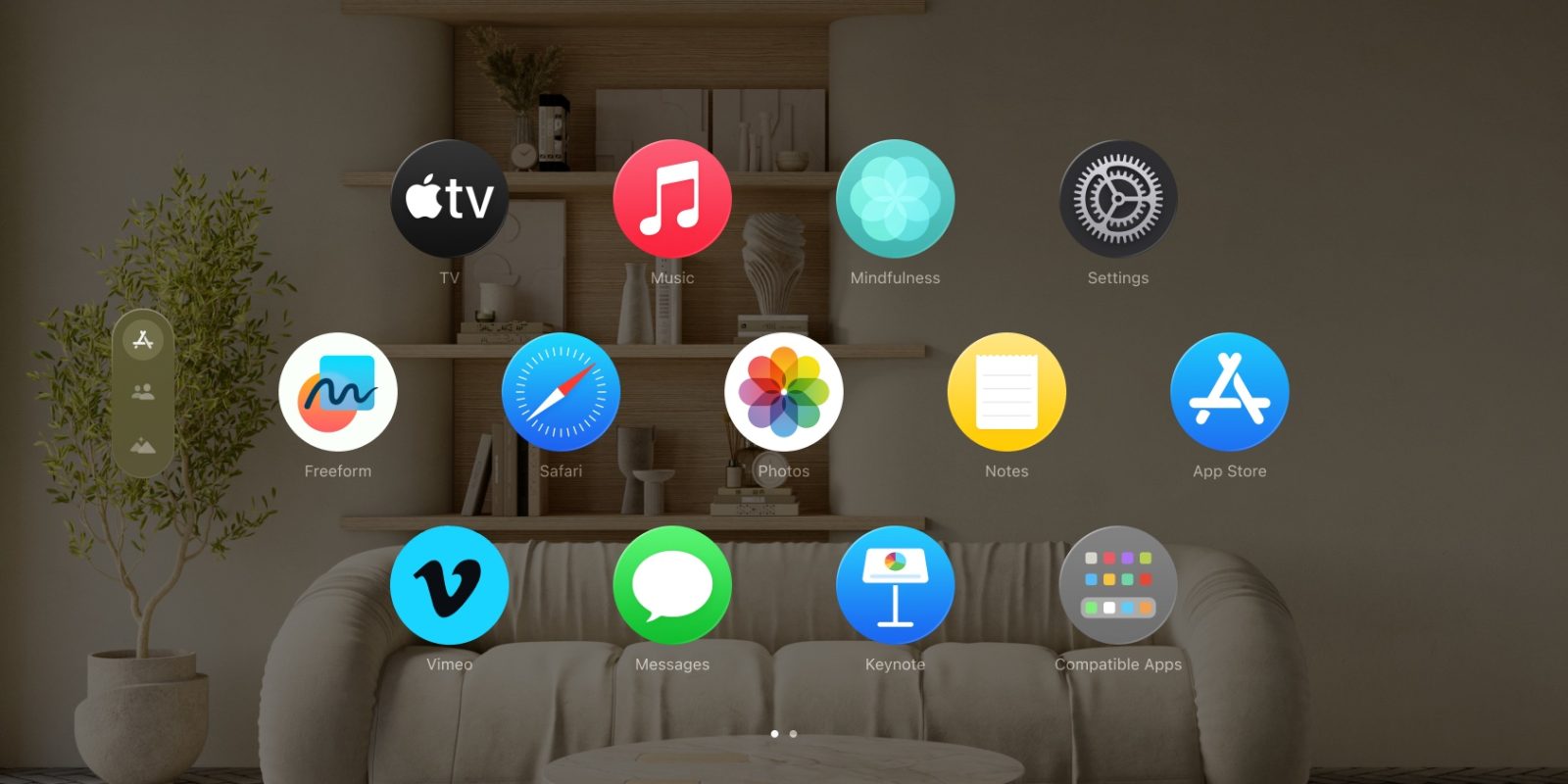
Embracing touchscreen technology, the new MacBook Pro will allow users to interact directly with on-screen elements. To complement this hardware advancement, Apple is overhauling macOS to be more touch-friendly. Users can expect:
– Responsive Controls: Tapping on menu bar items will reveal expanded, touch-optimized controls, facilitating easier navigation and command execution.
– Gesture Support: Incorporation of familiar iPad gestures, such as pinch-to-zoom and swift scrolling, will make the transition to touch interaction intuitive for users.
This integration aims to bridge the gap between macOS and iOS, offering a cohesive experience across devices.
Design and Hardware Innovations
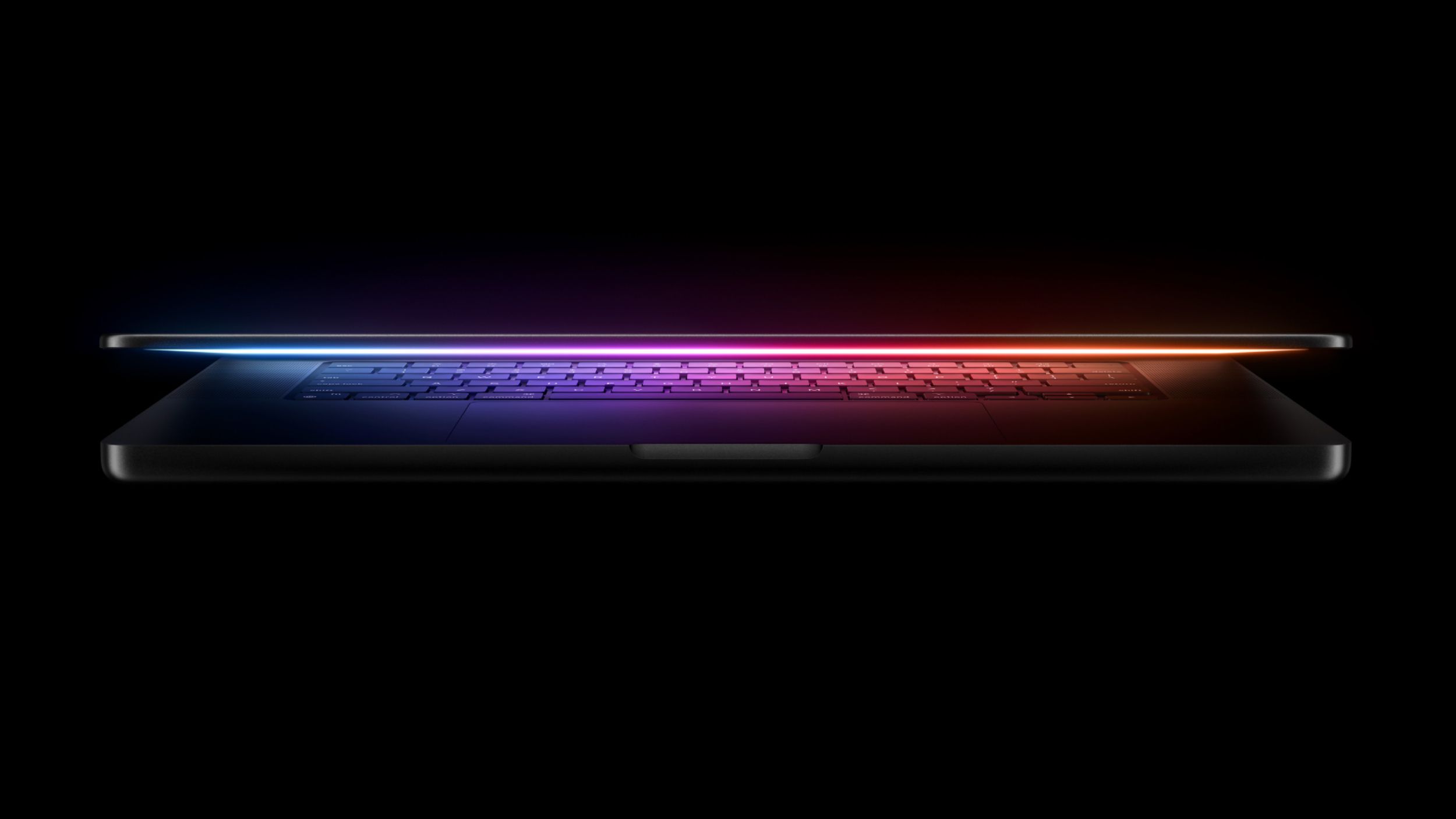
While maintaining the iconic MacBook Pro aesthetic, the 2026 model is expected to feature a slimmer chassis, thanks to the adoption of OLED display technology. This advancement not only contributes to a sleeker design but also offers improved display quality with deeper blacks and enhanced color accuracy. The device will retain the traditional keyboard and trackpad, ensuring that users have the flexibility to choose between touch and traditional input methods.
Performance Upgrades
Under the hood, the new MacBook Pro will be powered by Apple’s M6 Pro and M6 Max chips, built on a cutting-edge 2-nanometer process. These processors promise significant performance enhancements, catering to the demands of professionals and power users. The combination of advanced hardware and optimized software is set to deliver a seamless and efficient computing experience.
Market Implications and User Reception
Apple’s decision to integrate touchscreen functionality into the MacBook Pro marks a significant shift in its product strategy. Historically, the company has been hesitant to adopt touchscreens in its laptop lineup, citing ergonomic concerns and a preference for indirect input methods. However, the evolving user expectations and the success of touch interfaces in other Apple products have likely influenced this change.
The introduction of the Dynamic Island and touch capabilities is expected to attract a broader audience, including users who have become accustomed to touch interactions on smartphones and tablets. By offering a versatile input system, Apple aims to cater to diverse user preferences, potentially increasing its market share in the laptop segment.
Conclusion
The 2026 MacBook Pro represents a bold step forward for Apple, blending innovative hardware features like the Dynamic Island and touchscreen capabilities with a reimagined macOS. This fusion of design and functionality is poised to redefine the user experience, setting a new standard for laptops in the industry. As Apple continues to push the boundaries of technology, the upcoming MacBook Pro stands as a testament to the company’s commitment to innovation and user-centric design.