Apple’s 2026 MacBook Pro Redesign: A Leap Forward with Potential Trade-offs
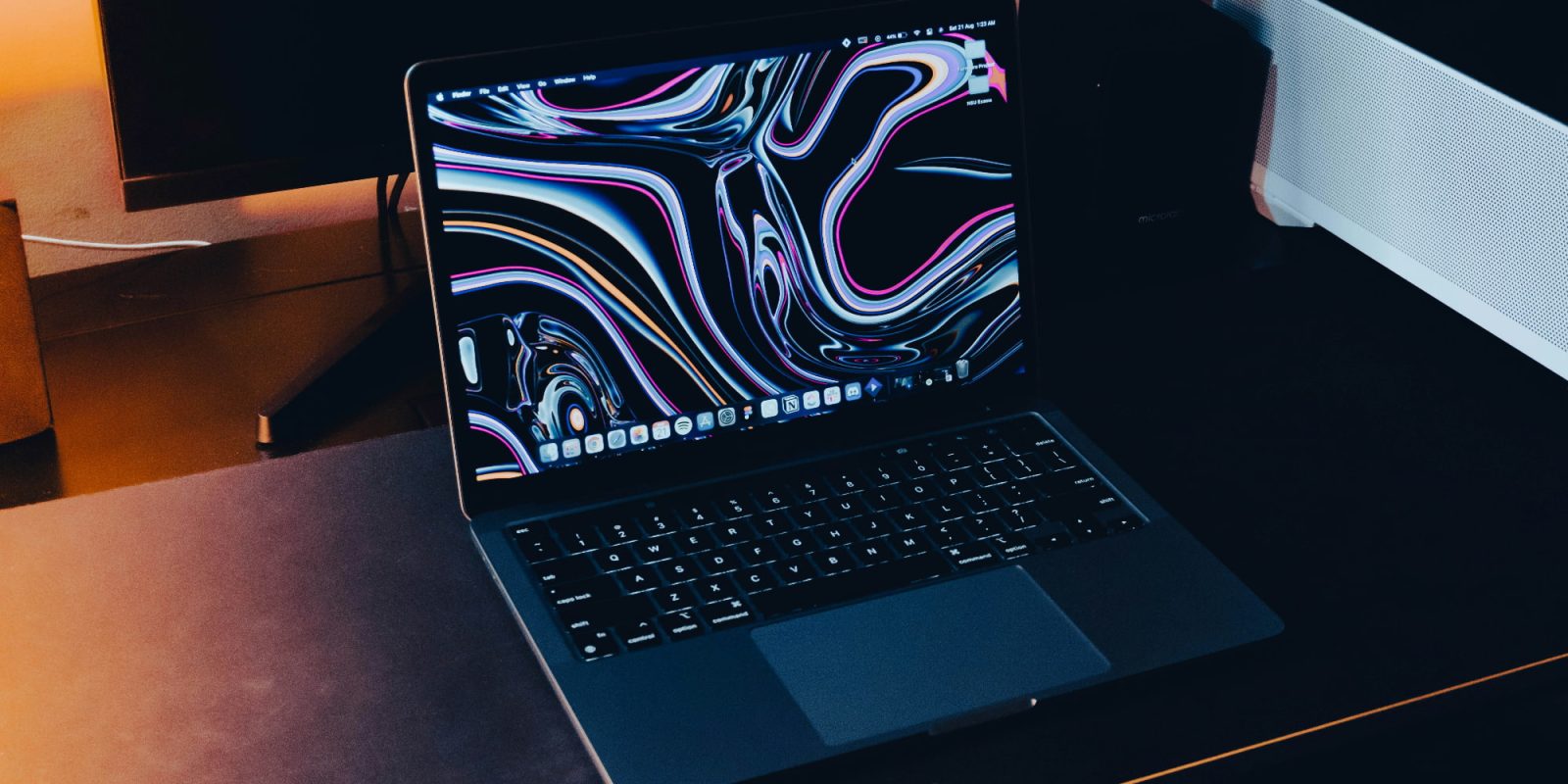
Apple is poised to unveil a significant overhaul of its MacBook Pro lineup in 2026, marking the first major redesign in five years. This anticipated update is set to introduce several groundbreaking features, including a slimmer profile, OLED displays, touch functionality, and possibly cellular connectivity. While these advancements are generating excitement, the move towards a thinner design has sparked discussions about potential compromises.
A Thinner and Lighter MacBook Pro
The upcoming MacBook Pro is expected to be notably thinner and lighter, aligning with Apple’s ongoing commitment to sleek and portable devices. This design philosophy harks back to the 2016 MacBook Pro, which prioritized form over function, leading to user concerns. The 2016 model’s ultra-thin design resulted in the introduction of the butterfly keyboard, notorious for its reliability issues, and the removal of essential ports, leaving only USB-C options. These changes were met with criticism from professionals who relied on a variety of ports for their workflows.
In response to user feedback, Apple reverted to a more functional design in 2021, reintroducing the beloved MagSafe charging port, HDMI, and an SD card reader. The forthcoming 2026 redesign aims to achieve a balance between a slim form factor and the practical needs of professional users. The success of this endeavor will depend on Apple’s ability to maintain essential features without compromising performance or battery life.
Introduction of OLED Displays
A standout feature of the 2026 MacBook Pro is the transition to OLED display technology. This shift promises enhanced brightness, superior contrast ratios, and more vibrant colors compared to the current mini-LED displays. Additionally, reports suggest that Apple plans to eliminate the notch at the top of the screen, opting instead for a smaller camera hole cutout. This change would increase the usable screen area and provide a more immersive viewing experience.
Touchscreen Capabilities
Another significant development is the anticipated introduction of touchscreen functionality. Historically, Apple has resisted adding touchscreens to its Mac lineup, focusing instead on the trackpad and keyboard for input. However, with the convergence of macOS and iOS features, integrating touch capabilities into the MacBook Pro seems a logical progression. This addition could enhance user interaction, particularly for tasks like drawing, annotating, and navigating applications more intuitively.
Potential Cellular Connectivity
The 2026 MacBook Pro may also feature built-in cellular connectivity, a first for Apple’s laptop range. This addition would allow users to stay connected to the internet without relying on Wi-Fi networks, offering greater flexibility for professionals on the move. The inclusion of a C2 cellular modem could position the MacBook Pro as a more versatile tool for remote work and travel.
Performance Enhancements with M6 Chips
Under the hood, the new MacBook Pro is expected to be powered by Apple’s M6 chip, built on TSMC’s 2nm process technology. This advancement is anticipated to deliver significant performance improvements and energy efficiency, further solidifying the MacBook Pro’s reputation as a powerhouse for demanding tasks.
Balancing Innovation with User Needs
While these innovations are exciting, they also raise questions about potential trade-offs. The move to a thinner design must be carefully managed to avoid repeating past mistakes, such as compromising keyboard reliability or removing essential ports. Users are hopeful that Apple has learned from previous experiences and will deliver a product that combines cutting-edge technology with practical functionality.
In conclusion, the 2026 MacBook Pro redesign represents a significant step forward for Apple’s laptop lineup. By integrating a slimmer design, OLED displays, touch capabilities, and cellular connectivity, Apple aims to meet the evolving needs of its users. However, the success of this redesign will depend on Apple’s ability to balance innovation with the practical requirements of professional users.