Apple Triumphs in Third Optis LTE Patent Trial, Avoiding Massive Damages
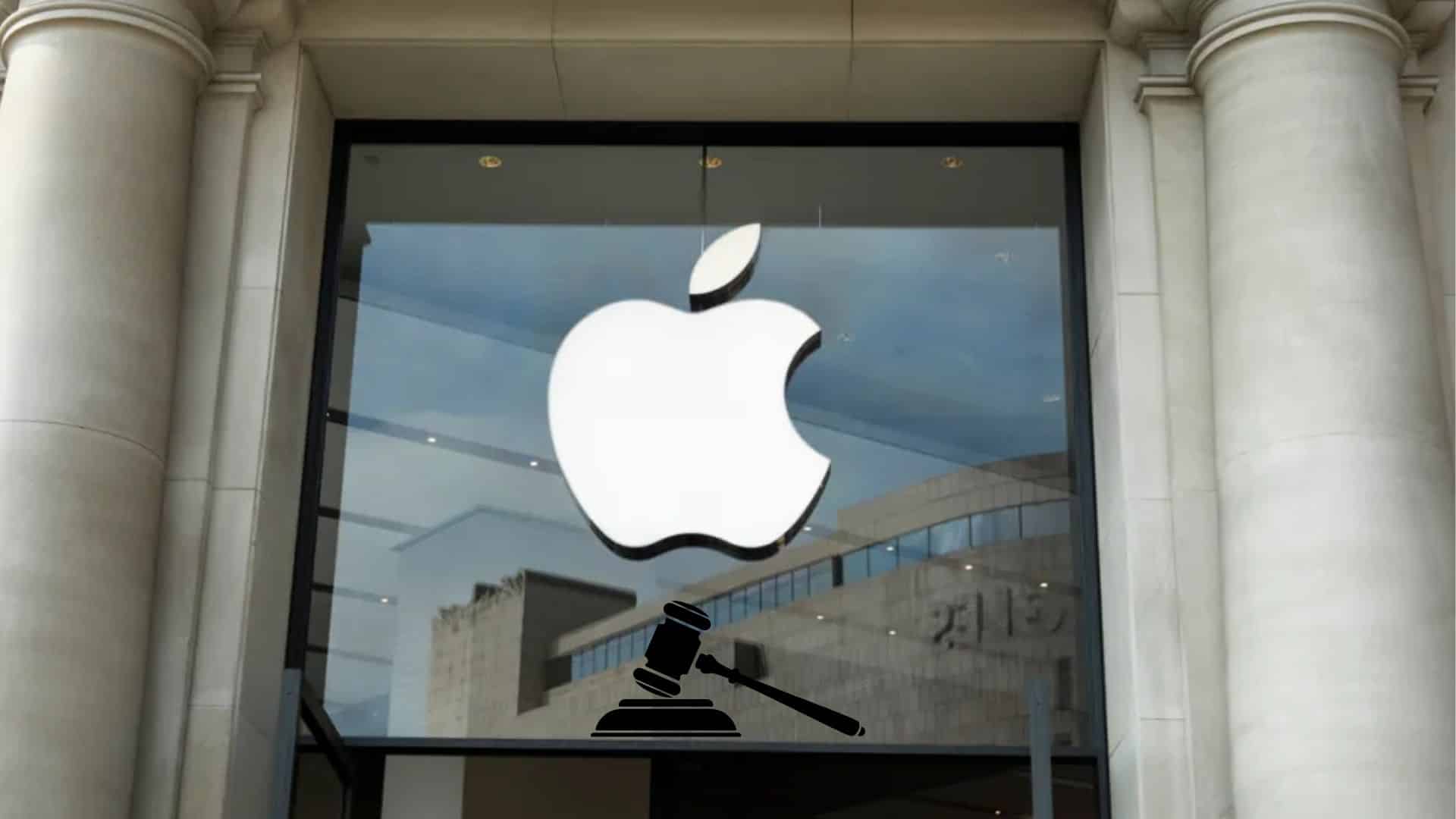
In a significant legal victory, Apple has emerged successful in the third trial of a protracted patent dispute with Optis Wireless, a Texas-based company. The jury in Marshall, Texas, concluded that Apple did not infringe upon any of the five LTE patents that Optis claimed were violated through the use of iPhones and other Apple devices. This verdict spares Apple from potential damages amounting to hundreds of millions of dollars.
Background of the Dispute
The legal battle commenced in 2019 when Optis Wireless filed a lawsuit against Apple, alleging unauthorized use of its patented technology related to the 4G LTE wireless standard. Optis contended that Apple incorporated this technology into its products without obtaining the necessary licenses. Apple consistently refuted these allegations, asserting that the patents in question were either not infringed upon or were invalid.
Previous Verdicts and Appeals
The journey to this recent verdict has been marked by a series of legal proceedings:
– 2020: Optis initially secured a jury award of $506 million against Apple. However, upon appeal, the damages were nullified. The appellate court determined that the jury had not appropriately calculated damages in accordance with fair and reasonable essential patent terms, commonly referred to as FRAND.
– 2021: A subsequent trial resulted in a $300 million award for Optis. Apple appealed once more, leading the U.S. Court of Appeals for the Federal Circuit to vacate the verdict. The appellate court cited improper jury instructions, noting that the verdict form had inappropriately combined all patents into a single infringement question.
These developments set the stage for the third jury trial, which culminated in the recent ruling favoring Apple.
Apple’s Response
Following the verdict, an Apple spokesperson expressed gratitude to the jury and criticized Optis’ litigation practices:
> “We thank the jury for their time, and we’re pleased they rejected Optis’ false claims. Optis makes no products, and its sole business is to sue companies, which it has done repeatedly to Apple in an attempt to obtain an excessive payout.”
Optis has yet to respond to requests for comment on the latest ruling.
Ongoing Legal Battles in the UK
While Apple has secured this victory in the United States, the legal confrontation with Optis is far from over on the international front. A UK court previously ordered Apple to pay $502 million for infringing upon Optis’ UK wireless patents. Apple has appealed this decision, and the UK Supreme Court is scheduled to hear the case in June 2026.
Implications for the Tech Industry
This case underscores the complexities and challenges inherent in patent litigation within the technology sector. Companies like Apple often face lawsuits from entities that hold patents but do not manufacture products, commonly referred to as patent assertion entities or patent trolls. These entities seek to enforce patent rights against alleged infringers to obtain licensing fees or settlements.
The outcome of such cases can have significant implications for innovation, competition, and the strategies companies employ to protect their intellectual property. A victory for a major tech company like Apple may deter frivolous lawsuits, while a loss could encourage more entities to pursue litigation in hopes of substantial financial gains.
Looking Ahead
For now, Apple is relieved of any financial obligations to Optis in the United States. However, the potential for an appeal from Optis and the forthcoming proceedings in the UK indicate that this legal saga is not yet concluded. The tech industry will be closely monitoring these developments, as they may set precedents for future patent disputes and influence how companies approach the integration of standard-essential technologies into their products.