Apple Watch’s Fall Detection Rescues Hiker After Harrowing Mountain Plunge
In a remarkable testament to modern technology’s role in safety, the Apple Watch’s Fall Detection feature recently played a pivotal role in rescuing a hiker who suffered a perilous fall in the Colorado mountains.
The Incident
On October 31, 2025, Phong Le embarked on a challenging hike toward Father Dyer Peak, navigating the rugged ridge of Mount Helen in Breckenridge, Colorado. During a brief pause to consult his map, Le leaned against a sizable boulder. Unexpectedly, the rock dislodged, causing him to lose his footing and tumble down the steep slope.
Compounding the danger, Le’s knitted cap slipped over his eyes during the fall, rendering him temporarily blind. This unforeseen obstruction prevented him from assessing his surroundings as he descended uncontrollably, colliding with jagged rocks along the way.
Reflecting on the ordeal, Le recounted, My first thought was, ‘That’s it. I’m dead.’ The forceful impacts left him with sharp pains, particularly from a significant blow to his lower back. Despite the severity of the situation, he clung to hope, believing he might survive but anticipating severe injuries.
The Role of Apple Watch’s Fall Detection
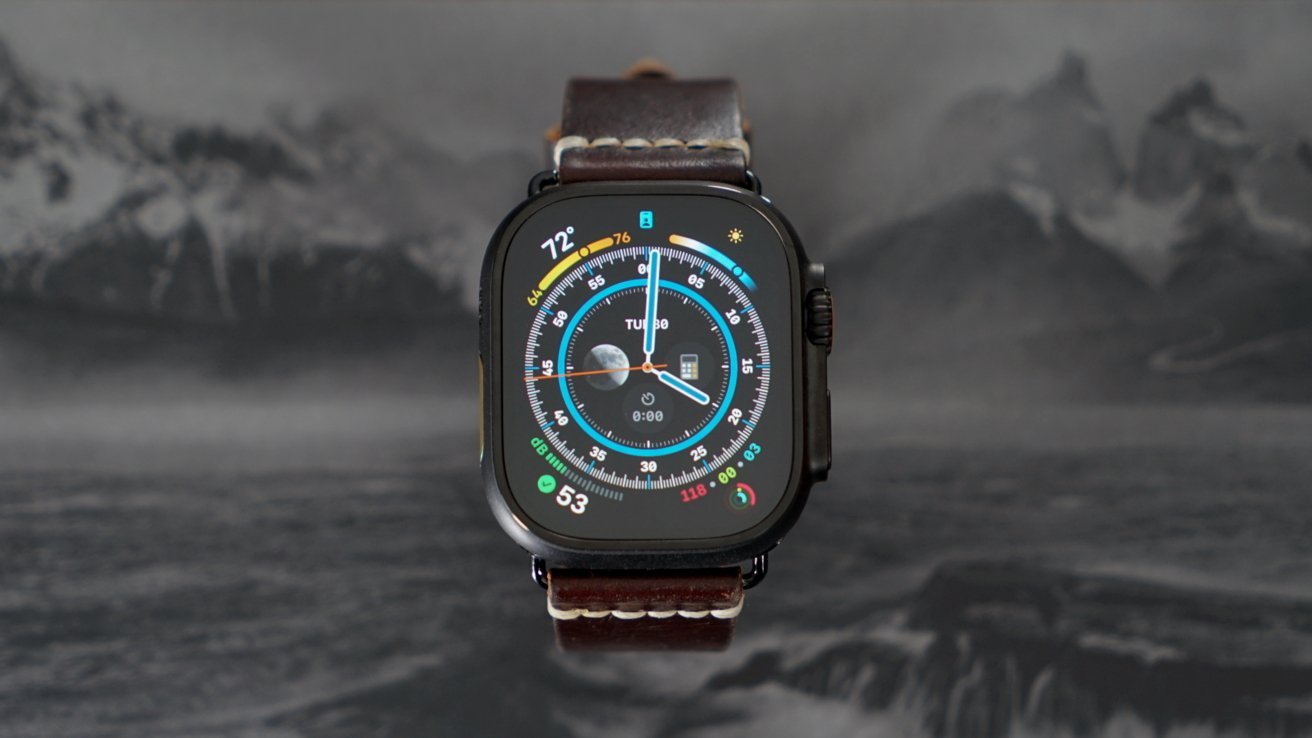
After coming to a halt, Le became aware of beeping sounds emanating from his wrist. His Apple Watch Ultra 3 had detected the fall and initiated a countdown to contact emergency services. Despite experiencing stabbing pains in both wrists, Le managed to interact with the device, confirming the need for assistance.
Transferring the call to his iPhone, which miraculously remained functional after the fall, Le communicated with a dispatcher for approximately an hour. He was advised to descend further to reach safer terrain. Three hours post-incident, members of the Summit County Search and Rescue team located and escorted him to safety.
Remarkably, Le’s injuries were less severe than anticipated. He sustained lacerations on his legs and forearms, sprained wrists, and a bruised back but avoided any fractures. While he remains uncertain if the Apple Watch directly saved his life, he acknowledges its crucial role in expediting emergency response. I’ve had minor falls that triggered it before, Le noted. This was the first time I was like, yes, please do call emergency services.
Apple Watch: A Consistent Lifesaver
This incident adds to a growing list of scenarios where the Apple Watch has been instrumental in emergency situations:
– Scuba Diver Rescue: In October 2025, an Apple Watch Ultra’s siren alarm facilitated the rescue of a scuba diver ascending too rapidly, alerting an instructor to intervene promptly.
– Health Alerts: In August 2025, a woman received persistent low heart rate notifications from her Apple Watch. Seeking medical attention led to the discovery and treatment of a tumor.
– Satellite Communication: In July 2025, an injured climber in Colorado utilized the satellite texting feature of their iPhone to summon help, preventing prolonged isolation.
Understanding Fall Detection
Introduced with the Apple Watch Series 4, the Fall Detection feature is designed to identify significant falls. Upon detection, the watch prompts the user to respond. If no response is received within a minute, it automatically contacts emergency services and shares the user’s location.
For users aged 65 and above, this feature is enabled by default. Others can activate it manually:
1. Open the Watch app on your iPhone.
2. Navigate to the My Watch tab.
3. Select Emergency SOS.
4. Toggle on Fall Detection.
Conclusion
Phong Le’s experience underscores the potential life-saving capabilities of wearable technology. As devices like the Apple Watch continue to evolve, they offer not only convenience but also critical safety features that can make a significant difference in emergencies.