Apple Watch Enhances Post-Treatment Monitoring for Atrial Fibrillation Patients
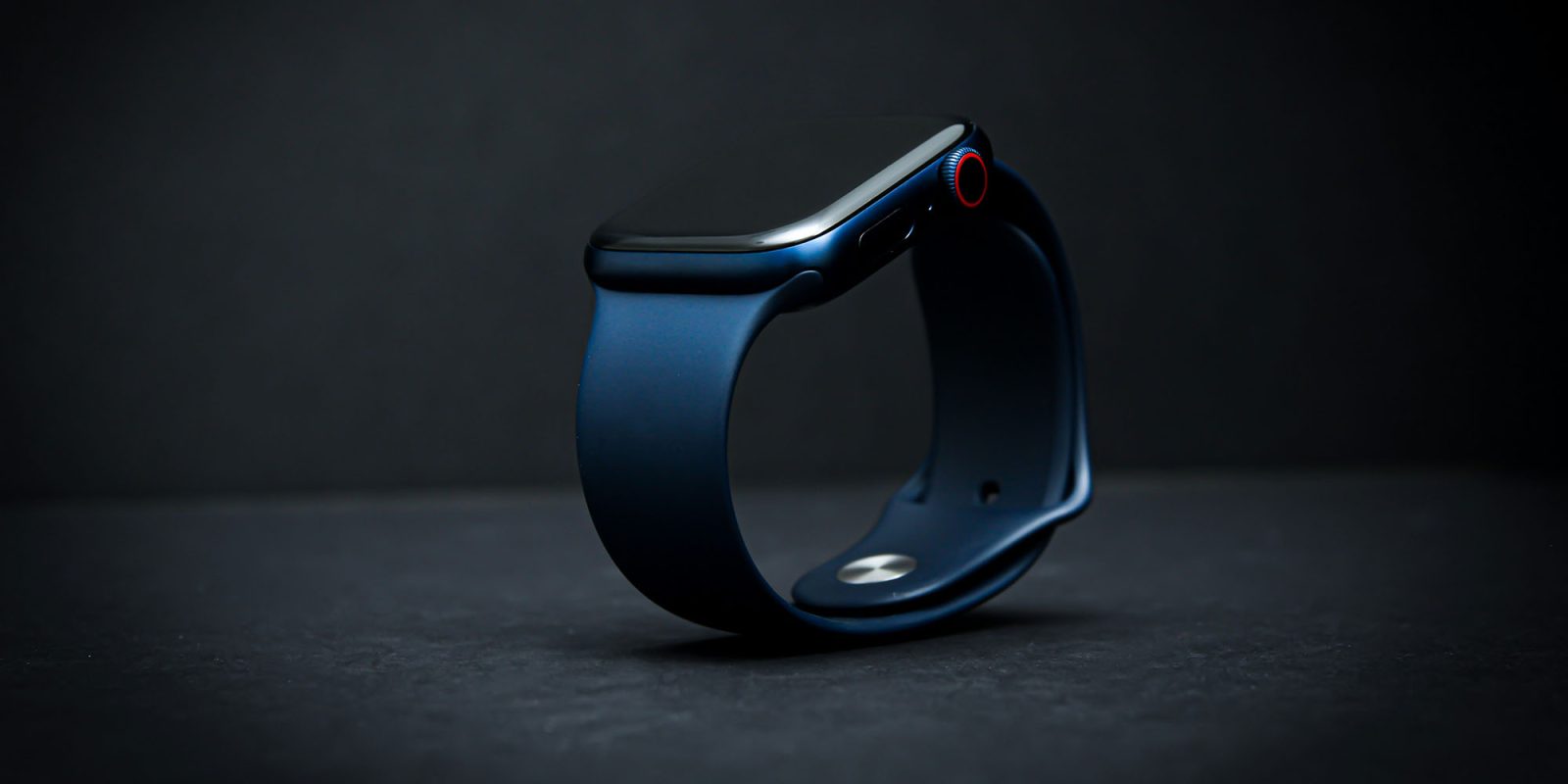
The Apple Watch has emerged as a valuable tool for health monitoring, extending its utility beyond initial diagnosis to the post-treatment phase of atrial fibrillation (AFib). A recent clinical trial conducted by St Bartholomew’s Hospital in London highlights the smartwatch’s effectiveness in monitoring patients following AFib catheter ablation—a minimally invasive procedure aimed at restoring normal heart rhythm by creating small scars in heart tissue through freezing or heating techniques.
Study Overview
The study involved 168 patients who had undergone AFib catheter ablation. Participants were divided into two groups:
– Apple Watch Group: This group was provided with an Apple Watch Series 5 and instructed to perform daily electrocardiograms (ECGs) and additional readings whenever prompted by the device over a 12-month period.
– Control Group: These patients received standard care, consisting of clinical appointments with an AFib specialist at three, six, and twelve months post-procedure.
Key Findings
The results demonstrated significant advantages for the Apple Watch group:
– Increased Detection of AFib Recurrence: 52.9% of patients in the Apple Watch group experienced a recurrence of AFib, compared to 34.9% in the control group.
– Reduced Time to Detection: The median time to detect AFib recurrence was shorter for the Apple Watch group at 116 days, versus 132 days for the control group.
– Fewer Unplanned Hospitalizations: There were 22 unplanned hospitalizations in the Apple Watch group, compared to 47 in the control group.
These outcomes suggest that continuous monitoring with the Apple Watch can lead to earlier detection of AFib recurrence and potentially reduce the need for unplanned hospital visits.
Implications for Patient Care
The study concludes that integrating patient-owned wearable devices like the Apple Watch into structured post-ablation follow-up protocols can enhance patient outcomes. The device’s ability to provide rapid differentiation between AFib and benign arrhythmias or unrelated symptoms empowers patients and healthcare providers to make informed decisions promptly.
Broader Context
This research adds to a growing body of evidence supporting the Apple Watch’s role in cardiovascular health monitoring. Previous studies have demonstrated the device’s capability in detecting undiagnosed AFib and other heart conditions. For instance, a study by the University of California, San Francisco, in collaboration with the Cardiogram app, showed that the Apple Watch’s heart rate sensor could detect AFib with 97% accuracy. ([appleinsider.com](https://appleinsider.com/articles/17/05/11/study-uses-apple-watch-heart-rate-sensor-to-detect-serious-heart-condition-with-97-accuracy?utm_source=openai))
Furthermore, the U.S. Food and Drug Administration (FDA) has approved the Apple Watch’s AFib history feature under its Medical Device Development Tools program, recognizing its potential in medical research and patient care. ([appleinsider.com](https://appleinsider.com/articles/24/05/02/apple-watch-is-fdas-first-ever-approved-digital-afib-history-device?utm_source=openai))
Conclusion
The integration of wearable technology like the Apple Watch into post-treatment monitoring protocols offers a promising avenue for improving the management of AFib patients. By facilitating early detection of arrhythmia recurrence and reducing unplanned hospitalizations, such devices can enhance patient outcomes and contribute to more efficient healthcare delivery.