Apple’s 60Hz Displays: Time for an Upgrade
Nearly a decade has passed since Apple introduced its first 120Hz ProMotion display with the 2017 iPad Pro. Despite this advancement, Apple continues to reserve high-refresh-rate displays for its premium products, leaving many mid-range devices with the standard 60Hz screens. This approach may be hindering the overall user experience and the company’s competitive edge.
The Evolution of ProMotion Displays
Apple’s ProMotion technology, featuring adaptive refresh rates up to 120Hz, debuted in the 2017 iPad Pro. This innovation delivered smoother visuals and more responsive touch interactions, significantly enhancing the user experience. However, Apple has been slow to extend this feature across its product lineup.
For instance, the base iPhone models only received 120Hz displays with the iPhone 17, four years after the iPhone 13 Pro introduced the feature. This delay suggests a cautious approach to adopting high-refresh-rate screens across all devices.
The Case for Mid-Range Devices
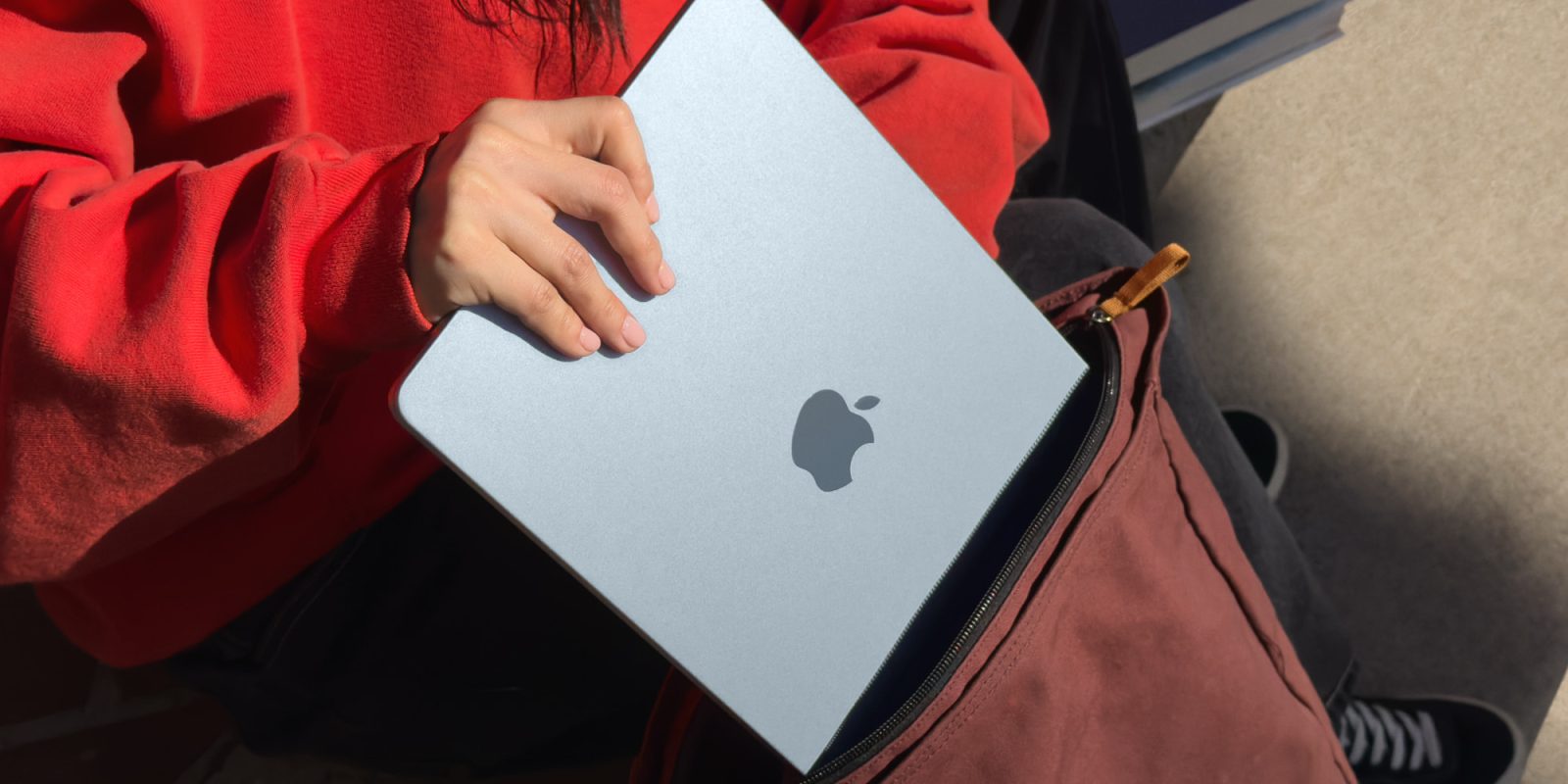
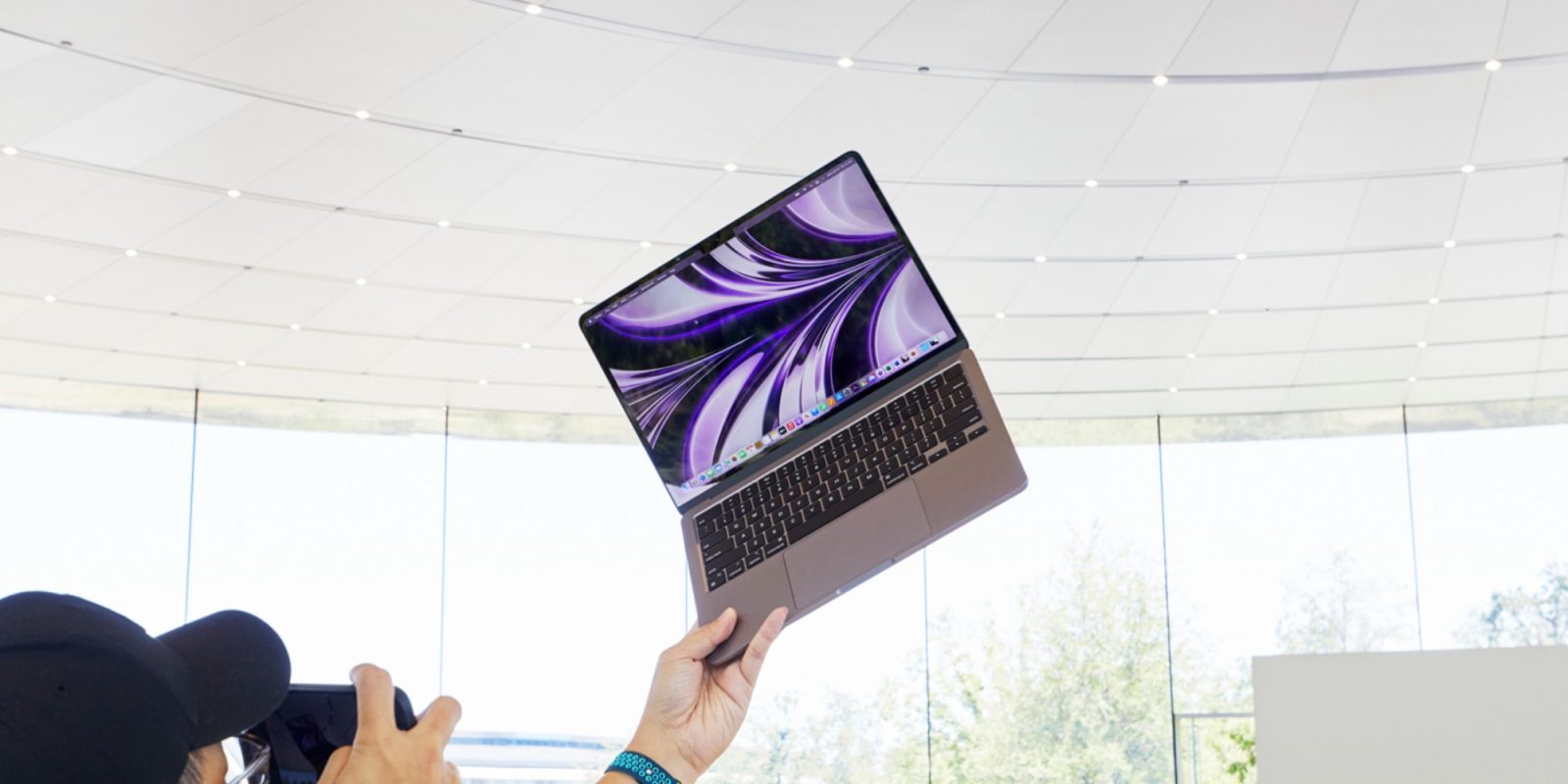
Apple’s mid-range products, such as the iPad Air and MacBook Air, continue to feature 60Hz displays. The iPad Air, priced between $599 and $799, and the MacBook Air, starting at $999, are not budget devices. Given their price points, it’s reasonable to expect more advanced display technologies.
The 10.5-inch iPad Pro from nearly a decade ago offered a 120Hz display at a similar price point. This raises the question: why should current mid-range devices settle for less? The price gap between mid-range and Pro models is substantial, often around $400. This difference makes it unlikely for consumers to upgrade solely for a higher refresh rate, especially when the base models are already considered premium.
User Experience and Market Expectations
While some argue that the average consumer may not notice the difference between 60Hz and 120Hz displays, the enhanced smoothness and responsiveness are undeniable. Devices with higher refresh rates feel faster and more fluid, contributing to a more enjoyable user experience.
Competitors in the tech industry have begun offering higher refresh rates in their mid-range devices, setting new standards for display performance. By continuing to equip mid-range products with 60Hz displays, Apple risks falling behind in meeting consumer expectations and delivering optimal user experiences.
The Path Forward
Apple’s strategy of reserving advanced features for its Pro models is understandable from a marketing perspective. However, as technology evolves and consumer expectations rise, it’s crucial for Apple to reassess which features should become standard across all devices.
Incorporating 120Hz displays into mid-range products would not only enhance user satisfaction but also demonstrate Apple’s commitment to delivering cutting-edge technology across its entire product lineup. This move could strengthen brand loyalty and position Apple more favorably in a competitive market.
Conclusion
As we approach a decade since the introduction of ProMotion technology, it’s time for Apple to phase out 60Hz displays in its mid-range devices. By embracing higher refresh rates across all products, Apple can ensure a consistently superior user experience and maintain its reputation as an industry leader in innovation.