Enhancing the M5 MacBook Air: A Call for Improved Thermal Management
Apple’s recent hardware releases, such as the iPad Pro and iPhone 17 Pro, have showcased significant advancements in thermal management. These improvements have addressed previous overheating concerns and enhanced device performance. However, the MacBook Air, particularly with the anticipated M5 model, has yet to receive similar thermal enhancements.
Advancements in Thermal Management
The iPad Pro’s latest iteration incorporates graphite sheets within its housing and integrates copper elements into the Apple logo. These design choices have led to a 20% improvement in thermal efficiency, effectively mitigating overheating issues. Similarly, the iPhone 17 Pro has undergone a comprehensive redesign, featuring a vapor chamber and an aluminum unibody. These changes have significantly improved heat dissipation, addressing previous thermal challenges.
MacBook Air’s Thermal Challenges
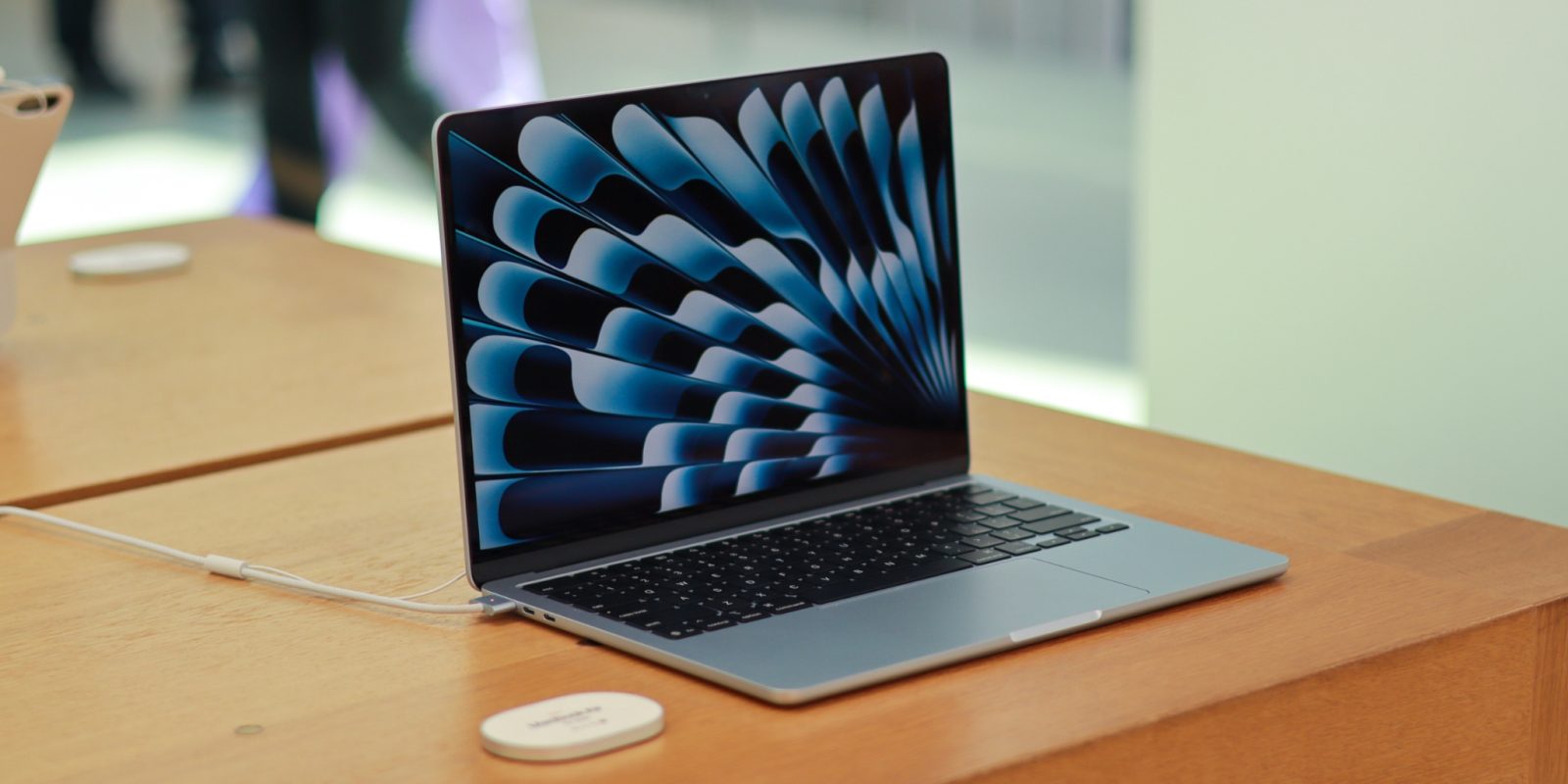
In 2022, Apple introduced a redesigned MacBook Air that was both thinner and lighter. This redesign involved replacing the traditional metal heatsink with a thin graphite sheet, lacking a substantial heat spreader. Consequently, the M2 MacBook Air experienced faster thermal throttling under heavy workloads compared to its predecessors. Despite the increasing power of Apple Silicon chips, the MacBook Air’s thermal management has not seen corresponding improvements. This oversight could lead to performance limitations, especially with the upcoming M5 model.
Potential Solutions for the M5 MacBook Air
To address these thermal challenges, Apple could consider implementing a vapor chamber design, similar to that of the iPhone 17 Pro. This approach would enhance heat dissipation without compromising the MacBook Air’s slim profile. By adopting such thermal management strategies, Apple can ensure that the M5 MacBook Air delivers optimal performance without the risk of overheating.
Conclusion
While the MacBook Air is designed for users who may not require sustained high performance, improving its thermal management is essential. As Apple continues to enhance the capabilities of its devices, ensuring effective heat dissipation will be crucial for maintaining performance and user satisfaction.