Apple’s Thinnest MacBook: A Deep Dive into Size, Weight, and Design
Apple’s relentless pursuit of sleek and portable computing has culminated in the MacBook Air series, setting benchmarks in the laptop industry for thinness and lightweight design. Since its groundbreaking introduction in 2008, the MacBook Air has undergone significant transformations, consistently pushing the boundaries of engineering to deliver devices that are both aesthetically pleasing and functionally robust.
The Evolution of MacBook Air: A Journey Towards Thinness
The original MacBook Air, unveiled in 2008, was a marvel of its time. Its wedge-shaped design, tapering from a thicker back to an ultra-thin front, not only provided a unique aesthetic but also contributed to its lightweight feel. This design philosophy set a precedent, influencing subsequent models and even competitors in the industry.
Over the years, Apple has meticulously refined the MacBook Air’s design, focusing on reducing thickness without compromising performance. This commitment is evident in the latest iterations of the MacBook Air, which stand as testaments to Apple’s engineering prowess.
Current Thinnest MacBook Models: Specifications and Features
As of 2026, the MacBook Air lineup boasts two primary models that epitomize Apple’s dedication to slim and lightweight computing:
1. 13-inch MacBook Air (M4, 2025):
– Height: 1.13 cm (0.44 inches)
– Weight: Approximately 1.24 kg (2.7 pounds)
– Display: 13.6-inch Liquid Retina with a resolution of 2560 × 1664 pixels
– Processor: Apple’s M4 chip, delivering enhanced performance and energy efficiency
– Battery Life: Up to 18 hours of usage, depending on tasks
– Connectivity: Two Thunderbolt 4 ports, MagSafe charging, and a 3.5mm headphone jack
2. 15-inch MacBook Air (M2 and M4):
– Height: Approximately 1.15 cm (0.45 inches)
– Weight: Around 1.5 kg (3.3 pounds)
– Display: 15.3-inch Liquid Retina with a resolution of 2880 × 1864 pixels
– Processor: Available with both M2 and M4 chips, catering to varying performance needs
– Battery Life: Up to 17 hours of usage, depending on tasks
– Connectivity: Similar to the 13-inch model, featuring Thunderbolt 4 ports, MagSafe charging, and a headphone jack
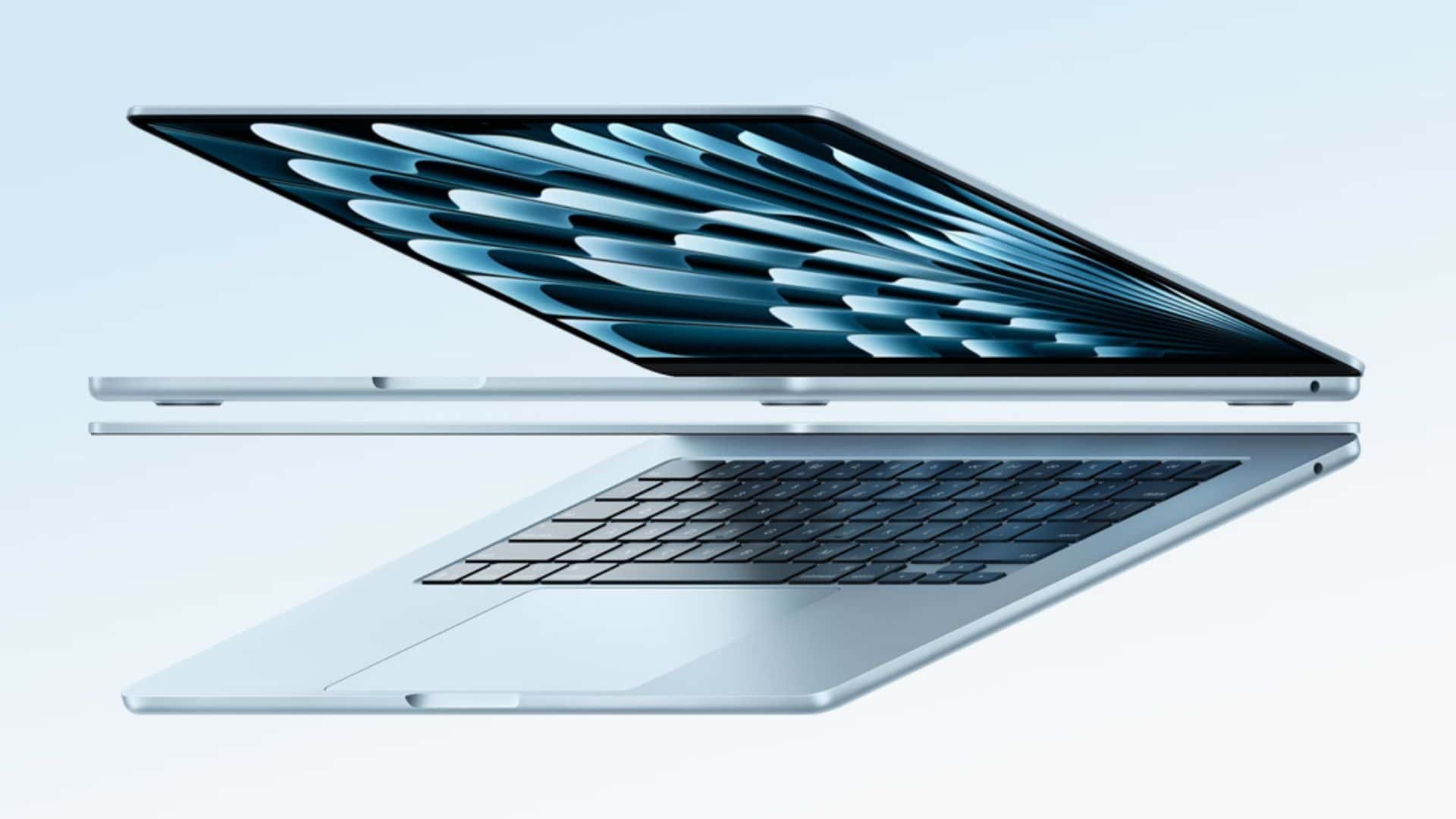
Both models share a design ethos that prioritizes slimness without sacrificing functionality. The integration of Apple’s proprietary silicon chips, such as the M4 and M2, has been instrumental in achieving this balance. These chips not only enhance performance but also contribute to energy efficiency, allowing for fanless designs that maintain optimal temperatures without the need for bulky cooling systems.
Design Innovations: Balancing Aesthetics and Functionality
The MacBook Air’s design is a harmonious blend of form and function. The unibody aluminum chassis provides durability while maintaining a lightweight profile. The transition from the traditional wedge shape to a more uniform thickness in recent models has resulted in a modern and streamlined appearance.
One of the standout features is the return of MagSafe charging. This magnetic charging solution not only offers a secure connection but also ensures safety by detaching easily if the cable is pulled, preventing potential damage. Additionally, the inclusion of Thunderbolt 4 ports provides versatile connectivity options, supporting high-speed data transfer and external displays.
The display technology has also seen significant advancements. The Liquid Retina displays offer vibrant colors, sharp text, and high brightness levels, enhancing the visual experience for users. The thin bezels maximize screen real estate, making the devices more compact without compromising display size.
Portability: A Key Consideration for Users
For professionals and students who are constantly on the move, the MacBook Air’s thin and lightweight design is a game-changer. The ease of slipping the device into a bag without adding significant weight makes it an ideal companion for travel. Moreover, the robust battery life ensures that users can work or entertain themselves for extended periods without being tethered to a power outlet.
The fanless design not only contributes to the thin profile but also ensures silent operation, a feature appreciated in quiet environments like libraries or meetings. Despite the slim form factor, the MacBook Air does not compromise on keyboard comfort or trackpad responsiveness, maintaining the high standards Apple users have come to expect.
Comparative Analysis: MacBook Air vs. MacBook Pro
While the MacBook Air excels in portability and design, it’s essential to understand how it compares to its sibling, the MacBook Pro.
– Performance: The MacBook Pro, especially models equipped with M4 Pro and M4 Max chips, offers superior performance suitable for intensive tasks like video editing, 3D rendering, and complex computations.
– Port Selection: MacBook Pro models typically offer a broader range of ports, including HDMI and SD card slots, catering to professionals who require diverse connectivity options.
– Display Quality: The MacBook Pro’s Liquid Retina XDR display provides higher brightness levels and contrast ratios, making it ideal for color-critical work.
– Weight and Thickness: Due to the enhanced performance capabilities and additional features, the MacBook Pro is heavier and thicker than the MacBook Air.
In summary, the choice between the MacBook Air and MacBook Pro hinges on the user’s specific needs. For those prioritizing portability and everyday tasks, the MacBook Air is an excellent choice. Conversely, professionals requiring higher performance and additional features might find the MacBook Pro more aligned with their requirements.
Conclusion: The Pinnacle of Portable Computing
Apple’s MacBook Air stands as a testament to the company’s commitment to innovation, design excellence, and user-centric engineering. By continually refining the balance between thinness, weight, and performance, Apple has created a device that caters to a broad spectrum of users, from students to professionals. As technology advances, it’s exciting to anticipate how Apple will continue to push the boundaries of what’s possible in portable computing.