Apple’s Studio Display XDR: A Game-Changer in Professional Monitors
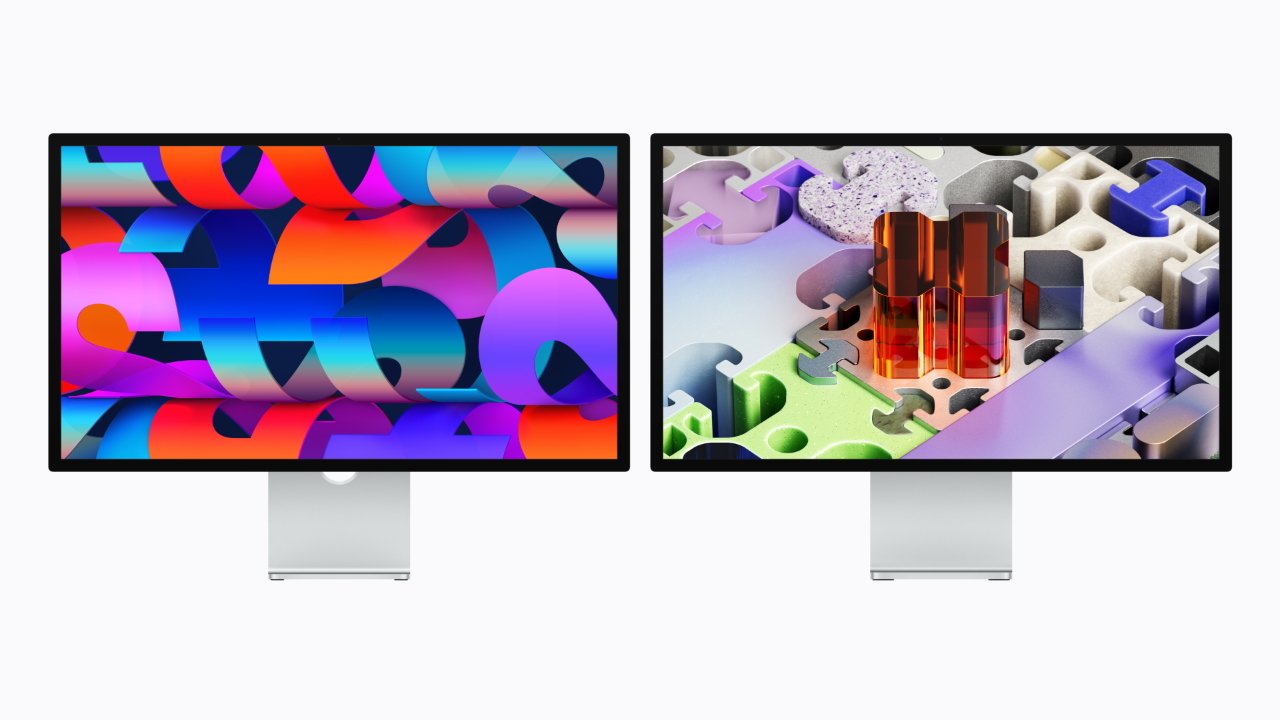
Apple has unveiled two significant additions to its monitor lineup: an updated Studio Display and the all-new Studio Display XDR. These releases cater to a broad spectrum of users, from general consumers to high-end professionals.
Enhanced Studio Display
The refreshed Studio Display maintains its 27-inch 5K Retina screen but introduces several notable enhancements:
– Connectivity: Equipped with two Thunderbolt 5 ports (including a cable) and two USB-C ports, facilitating faster data transfer and versatile peripheral connections.
– Brightness: Offers a brightness of 600 nits, ensuring clear visibility in various lighting conditions.
– Camera: Features a 12MP Center Stage camera with Desk View, enhancing video conferencing experiences.
– Audio: Incorporates a studio-quality three-microphone array and a six-speaker system that delivers 30% deeper bass, complemented by two high-performance tweeters.
– Design Options: Available with optional nano-texture glass for reduced glare.
Introducing the Studio Display XDR
The Studio Display XDR marks a significant advancement in Apple’s monitor offerings, effectively replacing the Pro Display XDR. This model is tailored for professionals requiring top-tier display performance:
– Display Technology: Utilizes a mini-LED backlight, achieving a peak HDR brightness of 2,000 nits and a contrast ratio of 1,000,000:1.
– Refresh Rate: Supports a 120Hz refresh rate with Adaptive Sync, ensuring smooth visuals for dynamic content.
– Color Accuracy: Covers P3 and Adobe RGB wide color gamuts, delivering precise and vibrant colors essential for creative work.
– Connectivity: Features multiple ports, including Thunderbolt 5, enhancing compatibility with various devices.
Compatibility Considerations
It’s crucial to note that the Studio Display XDR is not compatible with Intel-based Macs. Additionally, certain Apple Silicon Macs, such as those with M1, M1 Pro, M1 Max, M1 Ultra, M2, or M3 chips, are limited to a 60Hz refresh rate on this display. Only newer and more powerful Apple Silicon Macs can fully utilize the 120Hz capability. Similarly, while the M1 Ultra can drive third-party monitors at 120Hz, it is restricted to 60Hz on the Studio Display XDR. ([appleinsider.com](https://appleinsider.com/articles/26/03/03/studio-display-xdr-doesnt-work-on-intel-macs-at-all-big-limitations-on-early-apple-silicon?utm_source=openai))
iPad Compatibility
The Studio Display XDR also extends support to select iPad models running iPadOS 26.3.1 or later:
– Supported Models: iPad Pro (M4 and M5), iPad Pro 12.9-inch (3rd-6th generation), iPad Pro 11-inch (1st-4th generation), iPad Air (M2, M3, and M4), and iPad Air (5th generation).
– Refresh Rate Support: Only the M5 iPad Pro supports the 120Hz refresh rate; all other compatible models operate at 60Hz. ([appleinsider.com](https://appleinsider.com/articles/26/03/03/studio-display-xdr-doesnt-work-on-intel-macs-at-all-big-limitations-on-early-apple-silicon?utm_source=openai))
Pricing and Availability
Pre-orders for both displays commence on Wednesday, March 4, 2026, across the US and 34 other countries and regions, with shipping starting on March 11.
– Studio Display: Priced at $1,599.
– Studio Display XDR: Priced at $3,299.
Both models offer options for a tilt-and-height adjustable stand or a VESA mount adapter. ([forums.appleinsider.com](https://forums.appleinsider.com/discussion/243567/new-studio-display-xdr-immediately-outshines-the-updated-studio-display?utm_source=openai))
Conclusion
Apple’s latest monitor offerings, particularly the Studio Display XDR, represent a significant leap in display technology, catering to the diverse needs of professionals and consumers alike. However, potential buyers should carefully consider device compatibility and performance requirements to ensure these displays meet their specific needs.