Apple’s Latest Studio Displays: A19 Chips Power Enhanced Performance
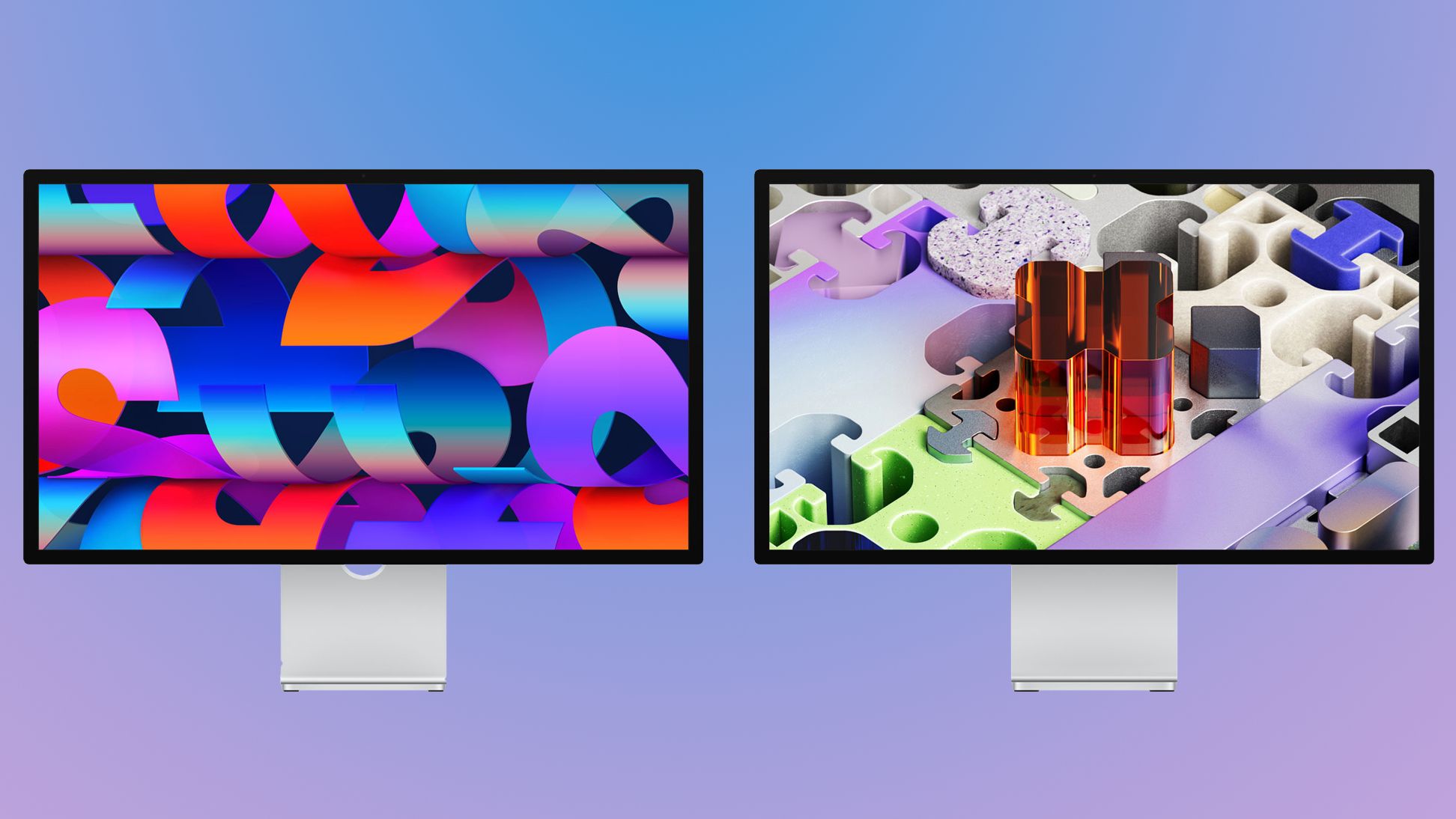
Apple has unveiled two new additions to its monitor lineup: the Studio Display and the Studio Display XDR. These models are powered by the latest A19 series chips, marking a significant advancement in display technology.
Divergent Chip Integration
The standard Studio Display is equipped with the A19 chip, while the more advanced Studio Display XDR incorporates the A19 Pro chip. This differentiation in processing power aligns with the enhanced features offered by the XDR model. The A19 series, introduced in the iPhone 17 and iPhone Air models, represents a substantial leap from the A13 Bionic chip found in the original 2022 Studio Display. The A13 facilitated features like Center Stage, Spatial Audio, and voice-activated Siri commands. The A19 chips are expected to drive improved speaker performance and enable the new Desk View feature, which simultaneously displays the user’s face and an overhead view of their workspace. ([macrumors.com](https://www.macrumors.com/2026/03/04/new-apple-studio-display-chips/?utm_source=openai))
Enhanced Audio and Visual Capabilities
Both new Studio Display models boast a six-speaker sound system that delivers 30% deeper bass compared to their predecessor. The Studio Display XDR stands out with its 27-inch Retina XDR display, offering 5K resolution, mini-LED backlighting with 2,304 dimming zones, and a peak brightness of 2,000 nits for HDR content. It also features a 120Hz refresh rate with Adaptive Sync, providing a variable refresh rate between 47Hz and 120Hz, enhancing responsiveness for dynamic content. ([macrumors.com](https://www.macrumors.com/2026/03/03/apple-introduces-studio-display-xdr/?utm_source=openai))
Connectivity and Compatibility
Both displays are equipped with two Thunderbolt 5 ports and two USB-C ports, facilitating high-speed data transfer and versatile connectivity options. Notably, these new models are compatible exclusively with Macs featuring Apple silicon, such as the M1, M2, and M3 series chips. Intel-based Macs are not supported, reflecting Apple’s ongoing transition to its proprietary silicon. ([macrumors.com](https://www.macrumors.com/2026/03/03/apple-studio-display-no-intel-mac-support/?utm_source=openai))
Environmental Considerations
Apple emphasizes sustainability in the design of these displays. Both models are constructed with recycled materials, including 100% recycled aluminum in the stand and 80% recycled glass in the standard glass option. The packaging is entirely fiber-based and designed for easy recycling, aligning with Apple’s goal to achieve carbon neutrality across its entire footprint by 2030. ([apple.com](https://www.apple.com/pt/newsroom/2026/03/apple-introduces-stunning-studio-display-xdr/?utm_source=openai))
Pricing and Availability
The Studio Display is priced at $1,599, while the Studio Display XDR starts at $3,299. Pre-orders began on March 4, with availability in select Apple Store locations and authorized resellers starting March 11. Additional options, such as nano-texture glass and various stand configurations, are available to cater to diverse user preferences. ([apple.com](https://www.apple.com/pt/newsroom/2026/03/apple-introduces-stunning-studio-display-xdr/?utm_source=openai))
Conclusion
Apple’s latest Studio Display models, powered by the A19 and A19 Pro chips, offer significant enhancements in audio-visual performance, connectivity, and environmental sustainability. These advancements cater to both professional and creative users seeking high-quality display solutions.