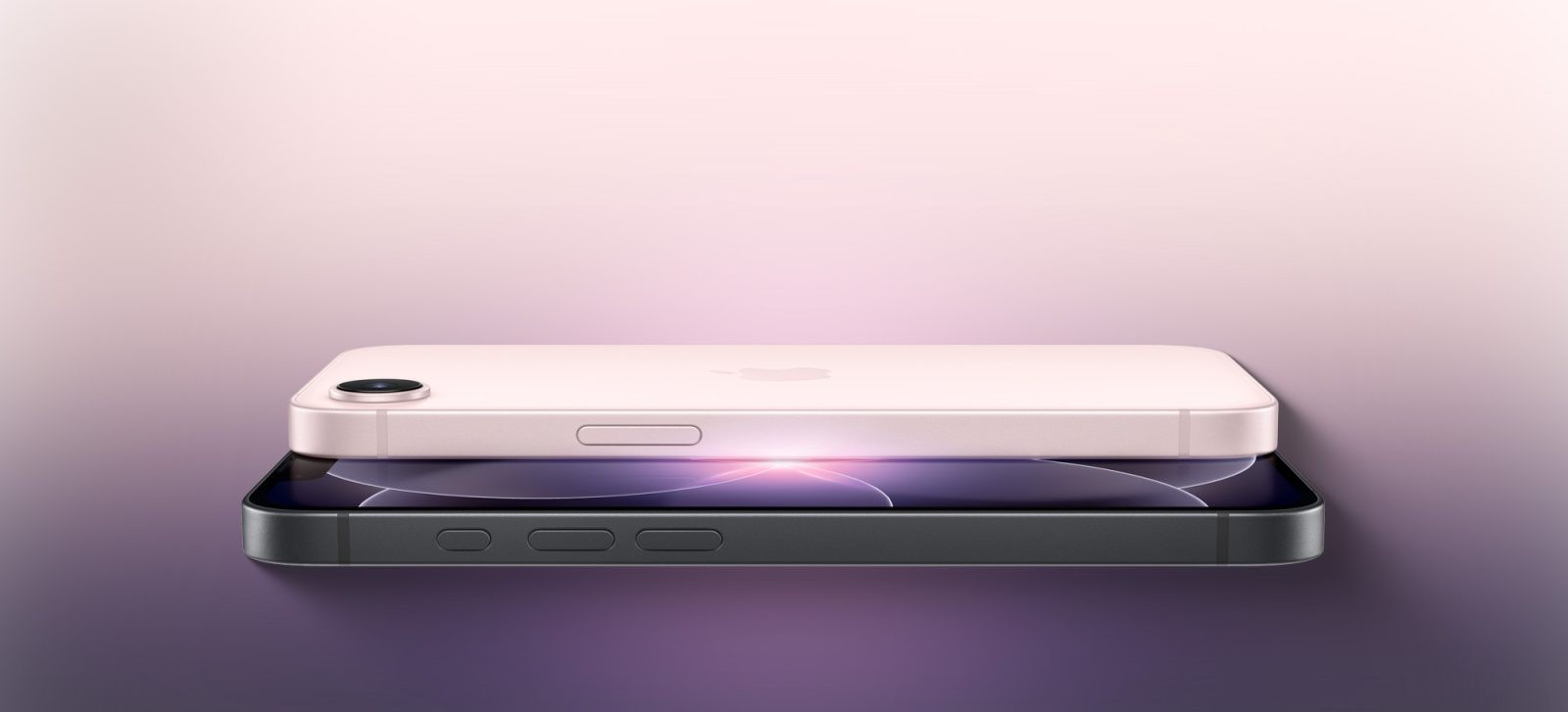
Apple’s Innovative Foldable iPhone Glass: Engineered for Durability and Longevity
Apple is making significant strides toward introducing a foldable iPhone, focusing on enhancing the durability of its glass components to withstand the rigors of daily use. A recently published patent reveals the company’s innovative approach to addressing the common challenges associated with foldable devices, particularly the susceptibility of glass to damage over time.
Emphasis on Durability
The patent outlines a design where the cover layer of the foldable display is engineered with varying properties across different regions, moving away from a uniform sheet to a more complex structure. This strategic design aims to fortify the areas most prone to stress and potential failure.
Key aspects of Apple’s approach include:
– Variable Thickness: The glass is designed to be thinner in the foldable portion to enhance flexibility, while the outer regions remain thicker to provide structural support.
– Region-Specific Compressive Stress: By applying targeted compressive stress, the foldable section maintains its flexibility, and the surrounding areas are better equipped to resist damage.
– Relief Features: Incorporating controlled bending zones helps to alleviate internal pressure during the folding process, reducing the likelihood of material fatigue.
These innovations signify a shift from merely achieving flexibility to meticulously engineering materials for enhanced long-term durability.
Transition from Concept to Engineering
While previous patents have explored the concept of foldable displays, this latest filing delves into the practical engineering required to ensure the design’s resilience in everyday scenarios.
The patent specifies that certain portions of the display panel may be intentionally thinned to facilitate bending, while other sections remain thicker to provide necessary structural support. This careful balance between flexibility and strength addresses the core challenge of developing durable foldable glass.
Accompanying diagrams illustrate the proposed fold zone structures, highlighting controlled bending regions and layered constructions designed to manage stress during repeated folding cycles.
Implications for Future Products
Apple’s focus on glass, as opposed to plastic alternatives, suggests a commitment to delivering a foldable device that maintains the premium feel and reliability associated with traditional iPhones. This approach aligns with the company’s reputation for prioritizing long-term product reliability over rapid experimentation.
The detailed engineering solutions presented in the patent indicate that Apple is moving beyond conceptual designs and is actively preparing for the manufacturing phase of a foldable iPhone. By addressing the durability issues that have plagued existing foldable devices, Apple aims to introduce a product capable of enduring the demands of daily use without compromising on quality.
Conclusion
Apple’s latest patent showcases a sophisticated approach to developing a foldable iPhone, emphasizing material engineering and structural design to enhance durability. By implementing variable thickness, region-specific stress distribution, and engineered fold zones, Apple is poised to overcome the common durability challenges associated with foldable devices. This advancement signals a significant step toward bringing a reliable and long-lasting foldable iPhone to market.