Apple’s Next Leap in Smart Home Tech: Enhanced HomePod and Advanced Indoor Sensor
Apple is poised to make significant strides in the smart home arena, focusing on enhancing user experience through advanced audio and environmental monitoring technologies. The tech giant is reportedly developing an updated version of its full-size HomePod speaker alongside a compact indoor sensor, aiming to provide users with a more integrated and responsive home automation system.
Revitalizing the HomePod Experience
The forthcoming iteration of the HomePod is expected to transcend its traditional role as a mere audio device. By incorporating advanced microphones and processing capabilities, the new HomePod aims to deliver smarter, context-aware responses. This evolution aligns with Apple’s ongoing efforts to refine Siri, enabling the virtual assistant to comprehend and react to household events with greater accuracy and speed. Such enhancements are crucial for a home assistant, as they ensure seamless interaction across various rooms and scenarios.
Introducing the Compact Indoor Sensor
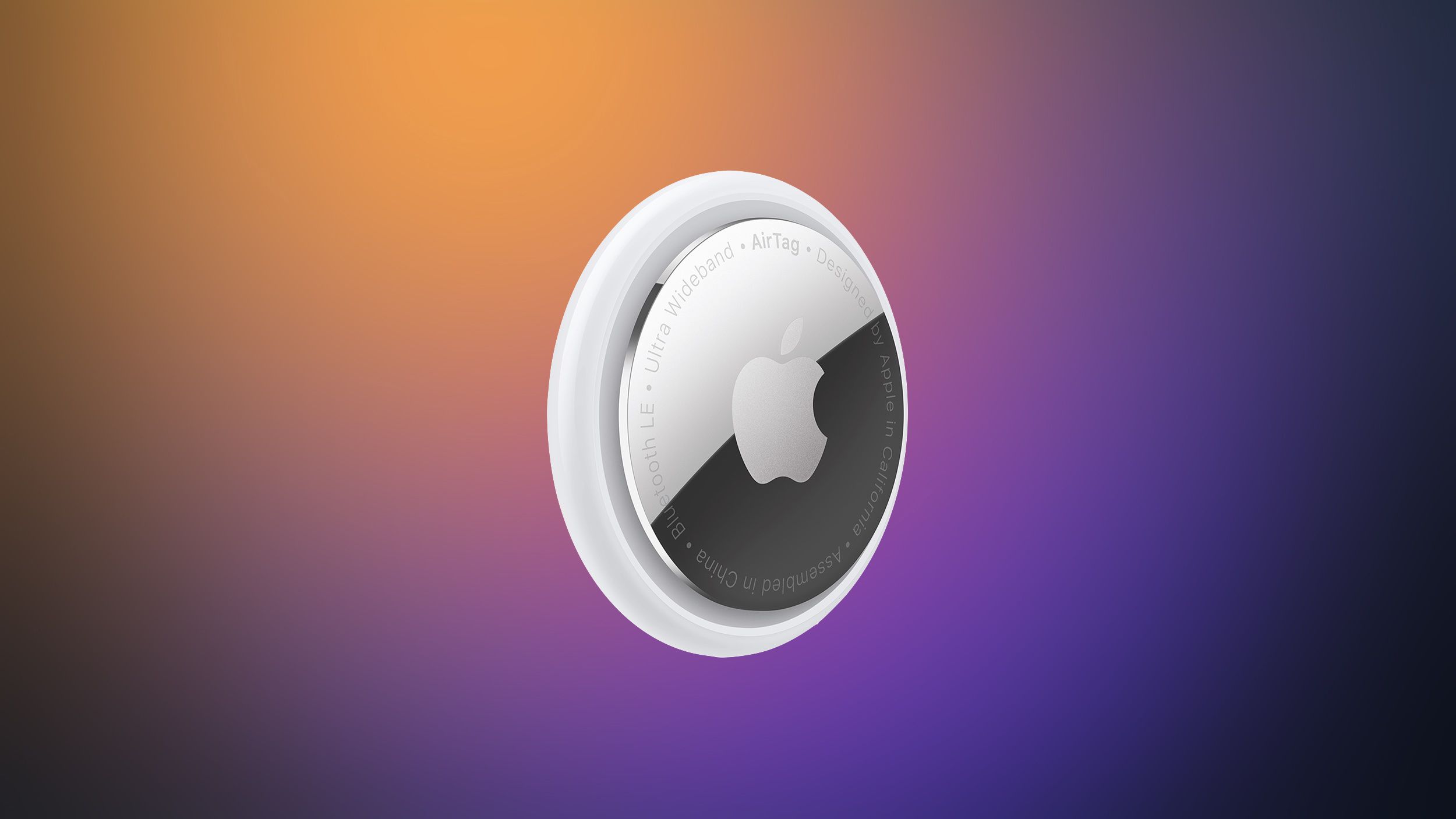
Complementing the upgraded HomePod, Apple is also developing a compact indoor sensor designed to monitor various environmental factors within the home. This device is anticipated to detect motion, temperature, light levels, and occupancy, thereby enabling automated responses to changes in the environment. For instance, the sensor could trigger lights to turn on upon detecting movement, activate cameras when the house is unoccupied, or adjust heating and cooling systems based on room activity. This proactive approach to home automation signifies a shift from manual control to intelligent, automated responses, enhancing both convenience and energy efficiency.
Expanding Apple’s Smart Home Ecosystem
The development of these devices indicates Apple’s strategic move towards a more cohesive and self-reliant smart home ecosystem. Historically, Apple has collaborated with third-party manufacturers for home monitoring accessories. However, the introduction of proprietary devices like the indoor sensor suggests a desire to offer a more integrated and seamless user experience. This expansion is further evidenced by rumors of additional home hardware in development, including:
– A smart display centered around the new Siri system.
– A larger version featuring a robotic arm interface.
– Updated streaming and speaker devices.
– Future first-party security accessories.
Collectively, these developments reflect a shift from isolated smart gadgets to a coordinated home network. In this envisioned system, the speaker listens, the sensor monitors, and automation manages the response, all working in harmony to create a more intuitive and responsive living environment.
Implications for Users and the Market
For consumers, these advancements promise a more streamlined and efficient smart home experience. The integration of advanced sensors and improved AI capabilities means that homes can become more responsive to the needs and habits of their inhabitants, reducing the need for manual intervention and enhancing overall comfort and security.
From a market perspective, Apple’s move to develop its own home monitoring hardware could disrupt the current landscape, challenging existing players and potentially setting new standards for integration and user experience in the smart home industry.
Conclusion
Apple’s reported plans to release an updated HomePod speaker and a compact indoor sensor underscore the company’s commitment to advancing smart home technology. By focusing on smarter audio responses and proactive environmental monitoring, Apple aims to provide users with a more integrated, responsive, and intuitive home automation system. As these developments unfold, they are likely to redefine the way users interact with their living spaces, setting a new benchmark for the future of smart homes.