Apple’s Evolution: From A12Z to A18 Pro in MacBook Neo
Apple’s journey in integrating its A-series chips into the Mac lineup has been a testament to innovation and adaptability. This evolution began with the A12Z Bionic chip and has culminated in the introduction of the A18 Pro in the MacBook Neo, marking a significant milestone in Apple’s hardware development.
The Genesis: A12Z Bionic in the Developer Transition Kit
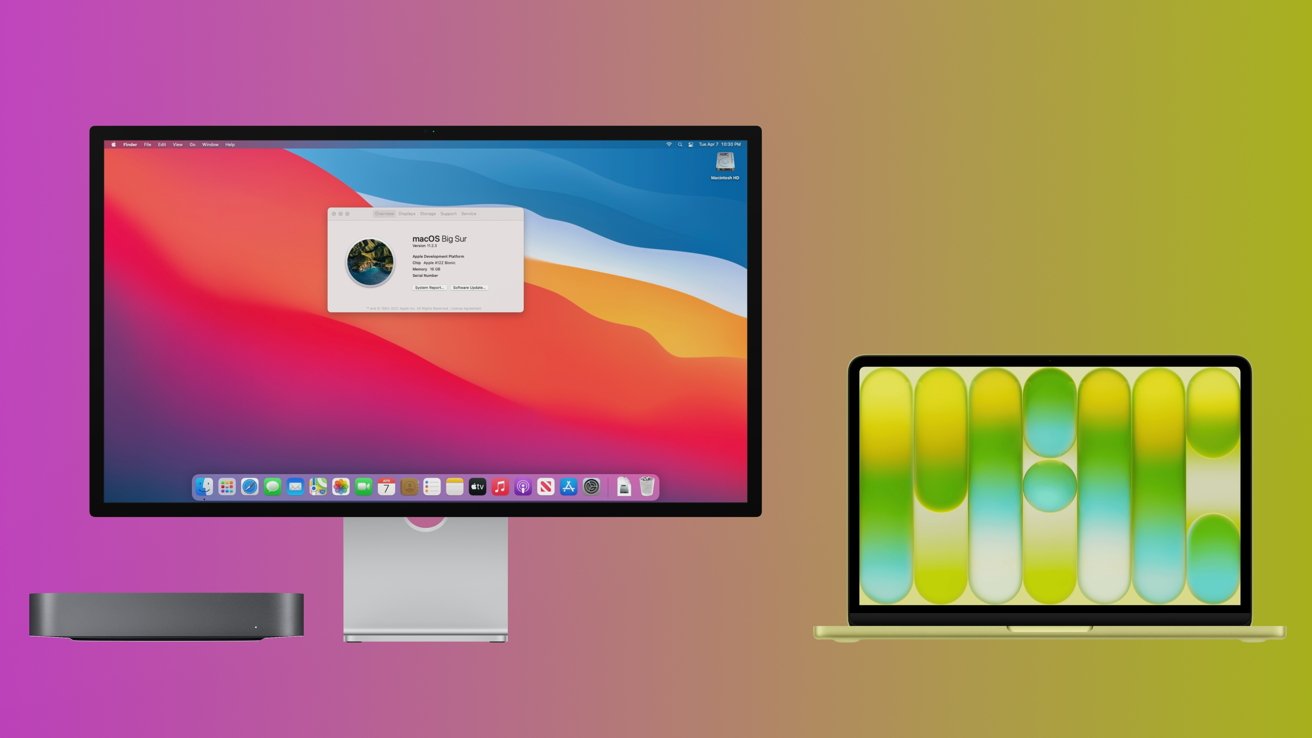
In 2020, Apple initiated a pivotal shift by introducing the Developer Transition Kit (DTK), a Mac mini equipped with the A12Z Bionic chip, originally designed for the iPad Pro. This move was part of Apple’s Universal App Quick Start Program, aimed at assisting developers in transitioning their applications to the new Apple Silicon architecture. The DTK, resembling the 2018 Mac mini, was available to developers for a $500 lease, with the expectation of returning the device after a year. However, Apple requested the return of these units after six months, offering a $500 credit towards the purchase of a new Mac. Upon return, most DTKs were destroyed by authorized recyclers, making surviving units exceedingly rare and valuable to collectors. ([appleinsider.com](https://appleinsider.com/articles/26/04/09/from-a12z-to-a18-pro-how-apple-silicon-macs-have-gone-back-to-the-basics?utm_source=openai))
Revisiting the A12Z Mac mini
The DTK featured a unique logic board with spots for coin cell batteries to maintain system date and time accuracy. Design-wise, it mirrored the 2018 Mac mini in Space Gray but had an input-output backplate similar to the M1 Mac mini. Notable quirks included the absence of Thunderbolt support and a constant fan speed. The DTK ran macOS Big Sur and was officially capable of running versions up to macOS 11.2.3. Internally, Apple developed builds of macOS Monterey compatible with the DTK, primarily used for artificial intelligence and machine learning projects, including CreateML. ([appleinsider.com](https://appleinsider.com/articles/26/04/09/from-a12z-to-a18-pro-how-apple-silicon-macs-have-gone-back-to-the-basics?utm_source=openai))
The Transition to Apple Silicon
Apple’s move to Apple Silicon was officially announced during WWDC 2020, marking a significant departure from Intel processors. This transition aimed to provide higher efficiency and performance, leveraging Apple’s in-house chip designs. The first M1 Macs, including the Mac mini, MacBook Pro 13-inch, and MacBook Air, were introduced in November 2020. This shift allowed Apple to optimize hardware and software integration, resulting in improved performance and energy efficiency. ([appleinsider.com](https://appleinsider.com/articles/24/04/22/the-history—-and-triumph—-of-arm-and-apple-silicon?utm_source=openai))
The Introduction of A18 Pro in MacBook Neo
The MacBook Neo represents the culmination of Apple’s efforts to integrate A-series chips into the Mac lineup. Equipped with the A18 Pro chip, the MacBook Neo offers enhanced performance and efficiency, bridging the gap between iOS and macOS devices. This integration signifies a return to the basics, focusing on seamless user experience and optimized hardware-software synergy.
The Significance of A-Series Chips in Macs
The incorporation of A-series chips into Macs underscores Apple’s commitment to vertical integration, allowing for greater control over hardware and software. This strategy has led to significant performance gains, energy efficiency, and a unified ecosystem across Apple devices. The A18 Pro in the MacBook Neo exemplifies this approach, offering users a powerful and efficient computing experience.
Conclusion
Apple’s journey from the A12Z Bionic in the Developer Transition Kit to the A18 Pro in the MacBook Neo highlights a strategic evolution in hardware design and integration. This progression reflects Apple’s dedication to innovation, performance, and a cohesive user experience across its product lineup.