Apple’s 35-Year Journey to the MacBook Neo: Crafting Affordable Portables
Apple’s venture into creating budget-friendly laptops spans over three decades, culminating in the recent introduction of the MacBook Neo. This journey reflects the company’s persistent efforts to balance affordability with quality, often with mixed outcomes.
The Macintosh Portable: A Heavyweight Beginning
In 1989, Apple unveiled its first attempt at a portable computer—the Macintosh Portable. Weighing a hefty 16 pounds, it was far from the sleek designs we associate with laptops today. Priced at $7,300 (approximately $19,148 in 2026 dollars), it was a significant investment, making it accessible only to a select few.
PowerBook 100: A Step Towards Affordability
By October 1991, Apple introduced the PowerBook 100, marking a notable shift towards more affordable and portable computing. Priced at $2,500 (around $5,970 today), it was considered a budget-friendly option at the time. Despite lacking a built-in floppy drive, its compact design and functionality garnered positive attention. However, the higher-end PowerBook 170, with its superior features, eventually overshadowed it.
Mid-90s Efforts: PowerBook 150 and 520
In 1994, Apple continued its pursuit of affordable laptops with the PowerBook 520 and PowerBook 150. The PowerBook 520, launched in May, featured a Motorola 68040 processor and was the first to incorporate a trackpad, priced at $2,270 (approximately $4,982 today). Following in July, the PowerBook 150 was introduced as a more economical option at $1,450 (around $3,182 today). It retained the rollerball for cursor control and had a lower specification, but its reduced price made it appealing to budget-conscious consumers.
PowerBook 1400 Series: Balancing Features and Cost
October 1996 saw the release of the PowerBook 1400 series, including the 1400cs/117 model. Priced at $2,495 (about $5,172 today), it was the first PowerBook to offer an optional built-in CD-ROM drive. While more expensive than previous budget models, it provided enhanced features like a color display, appealing to users seeking a balance between cost and functionality.
iBook: Bringing Color and Connectivity
In July 1999, Apple made a significant leap with the introduction of the iBook. Designed as a consumer-friendly laptop, it featured vibrant colors and a built-in handle, embodying a more approachable design. Priced at $1,599 (approximately $3,122 today), the iBook was not only more affordable but also played a pivotal role in popularizing Wi-Fi connectivity, setting a new standard for portable computing.
MacBook (2006): Transitioning to Intel
The 2006 MacBook marked another milestone as Apple transitioned to Intel processors. Starting at $1,099 (around $1,774 today), it offered significant performance improvements over its predecessors. This model aimed to provide a more powerful computing experience while maintaining a relatively accessible price point.
MacBook Neo: A New Era of Affordability
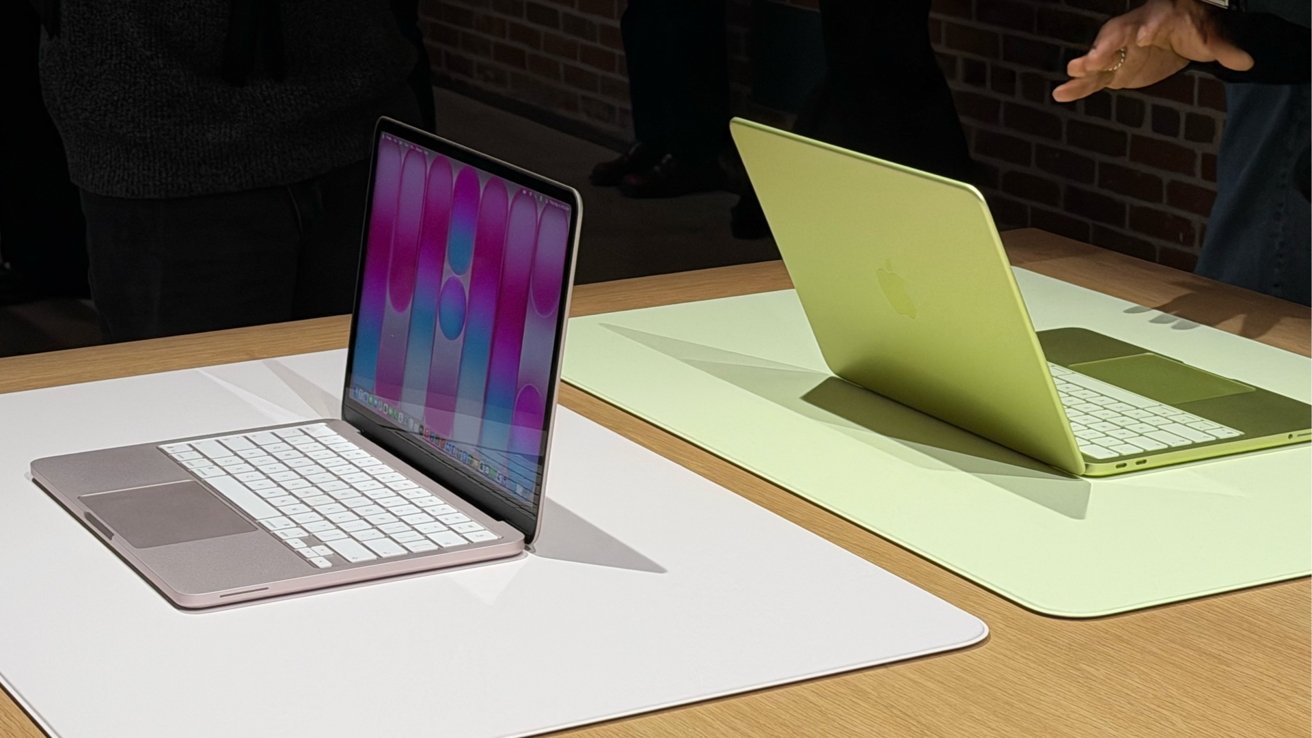
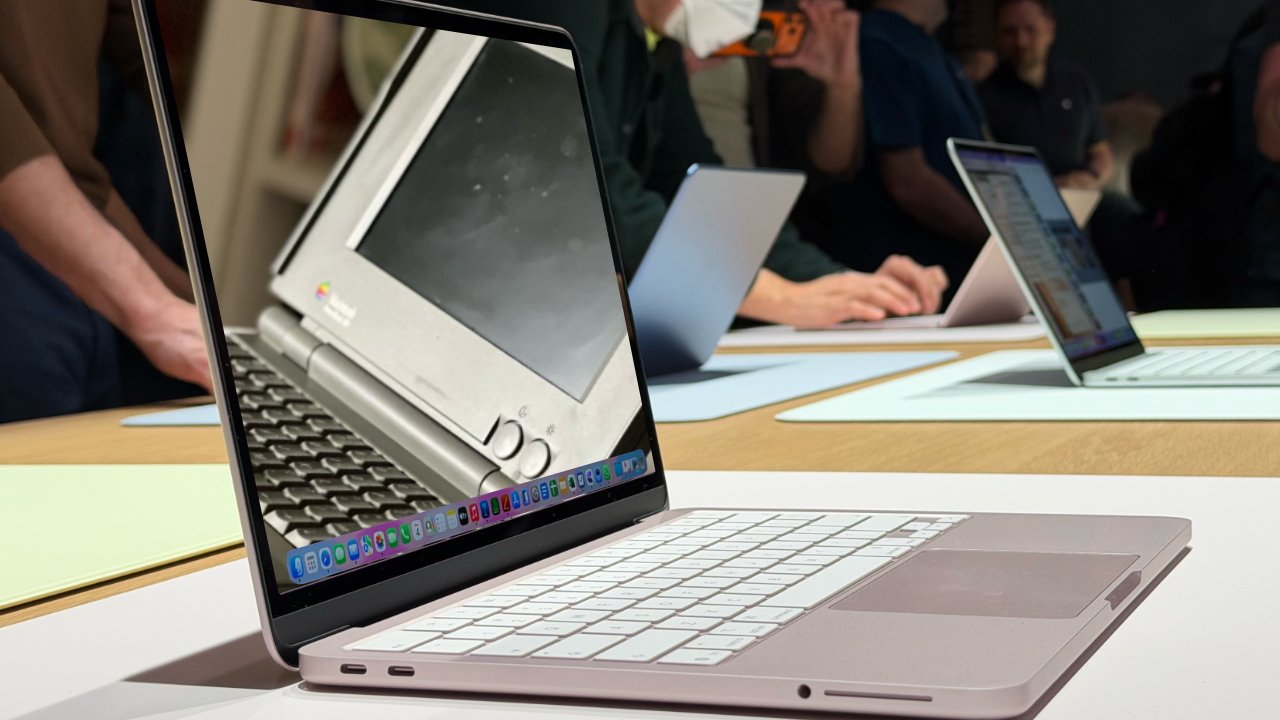
Fast forward to March 2026, Apple introduced the MacBook Neo, a testament to its enduring commitment to making quality laptops more accessible. Priced at $599, the MacBook Neo is powered by the A18 Pro processor, a departure from the M-series chips found in higher-end models. This strategic choice allows Apple to offer a capable device at a lower cost, targeting students and first-time Mac users who might otherwise opt for budget Windows laptops or Chromebooks.
Design and Manufacturing Innovations
Apple’s industrial design team, led by Vice President Molly Anderson, emphasized that the MacBook Neo retains the quintessential MacBook identity. The laptop features an aluminum enclosure, maintaining the premium feel associated with Apple’s products. To achieve the lower price point without compromising quality, Apple revised its manufacturing process. By reducing the amount of machining required for the aluminum body, the company decreased production costs and minimized material waste, aligning with its sustainability goals.
Hardware Trade-offs and User Experience
To keep the MacBook Neo affordable, certain hardware compromises were made. It comes with 8GB of unified memory and two USB-C ports, one of which operates at USB 2 speeds without Thunderbolt support. Additionally, the base model lacks Touch ID, a feature available in the higher-priced variant. Despite these trade-offs, the MacBook Neo offers a compelling package for users seeking an entry-level Mac experience.
A Sustainable and Strategic Move
The MacBook Neo also advances Apple’s environmental initiatives. Approximately 60% of its materials are recycled, with the aluminum enclosure comprising about 90% recycled content. This approach not only reduces the device’s carbon footprint but also demonstrates Apple’s commitment to sustainability without sacrificing product quality.
Conclusion
Apple’s journey to the MacBook Neo reflects a persistent endeavor to make portable computing more accessible without compromising on quality. From the hefty Macintosh Portable to the sleek and affordable MacBook Neo, Apple has continually evolved its approach, learning from past experiences to deliver a product that meets the needs of budget-conscious consumers while upholding the brand’s standards.