Apple’s M5 Chip: A Leap Forward in AI Performance and Device Integration
Apple’s relentless pursuit of innovation has led to the unveiling of the M5 chip, a significant advancement in AI performance and device integration. This next-generation system on a chip (SoC) is set to redefine user experiences across various Apple devices.
Unveiling the M5 Chip
On October 15, 2025, Apple introduced the M5 chip, marking a substantial leap in AI capabilities. Built using third-generation 3-nanometer technology, the M5 boasts a 10-core GPU architecture, each core equipped with a Neural Accelerator. This design delivers over four times the peak GPU compute performance for AI tasks compared to its predecessor, the M4. Additionally, the M5 features a more powerful CPU, a faster Neural Engine, and increased unified memory bandwidth, culminating in a chip that is both faster and more efficient.
Enhanced AI and Graphics Performance
The M5’s GPU architecture is optimized for AI and graphics tasks. The inclusion of Neural Accelerators in each core allows for significantly accelerated AI-driven workflows. For instance, applications like Draw Things and platforms such as webAI can now run diffusion models and large language models locally with unprecedented speed. The GPU also introduces third-generation ray tracing, offering up to a 45% increase in graphics performance over the M4. This enhancement results in smoother gameplay, more realistic visuals in 3D applications, and faster rendering times for complex graphics projects.
Memory and Multitasking Capabilities
With a unified memory bandwidth of 153GB/s—a nearly 30% increase over the M4—the M5 enables devices to handle larger AI models entirely on-device. This improvement supports seamless multitasking, allowing users to run demanding creative suites like Adobe Photoshop and Final Cut Pro simultaneously while managing large file uploads in the background.
Integration Across Apple Devices
The M5 chip is set to power a range of Apple devices, enhancing their performance and capabilities:
– iPad Pro: Expected to debut with the M5 chip in late 2025 or early 2026, the iPad Pro will benefit from the chip’s advanced AI and graphics performance, making it a powerhouse for creative professionals and tech enthusiasts.
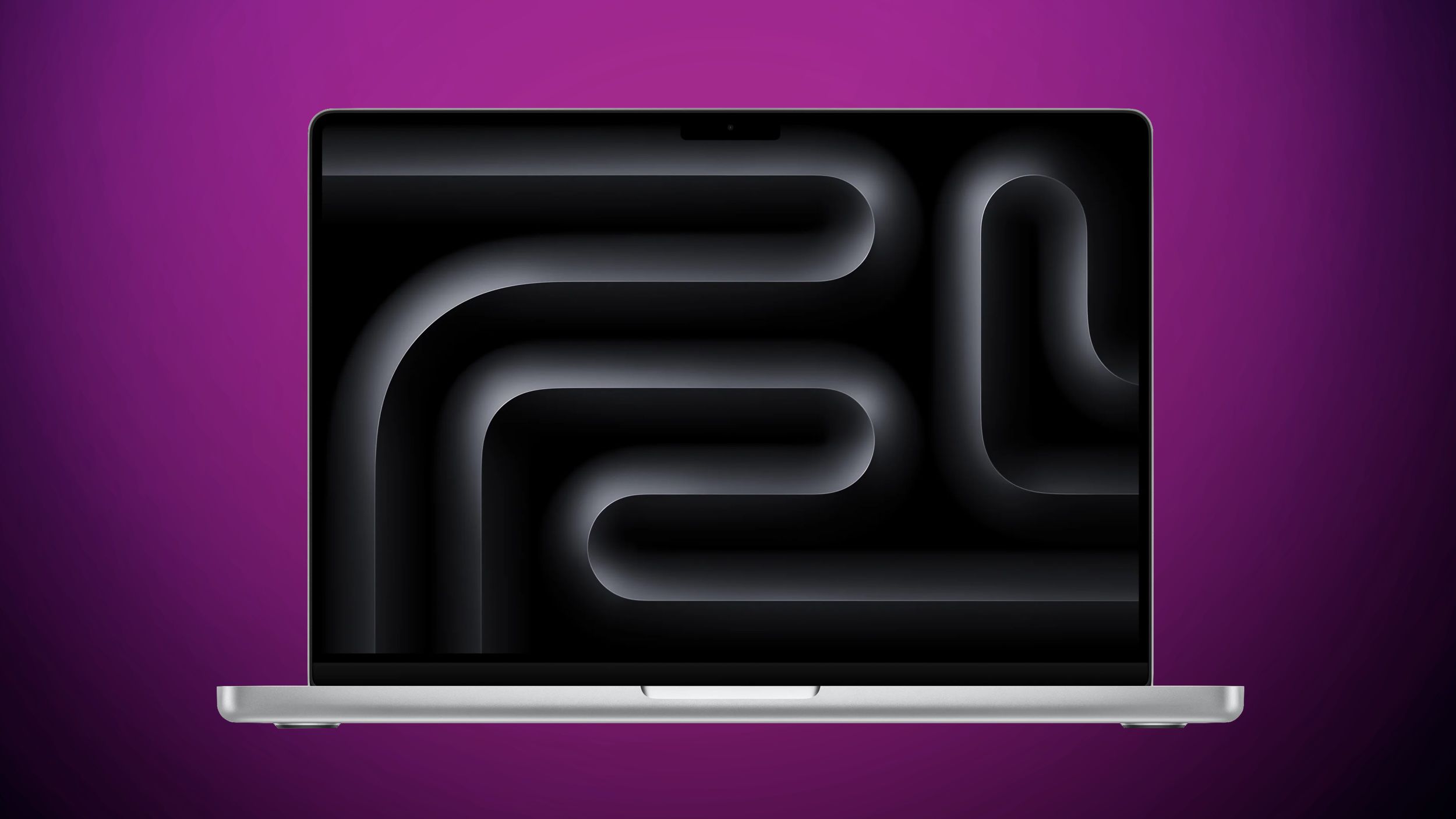
– MacBook Pro: Anticipated to feature M5 series chips in late 2025, the MacBook Pro will offer users enhanced processing power and efficiency, catering to both professional and personal computing needs.
– Apple Vision Pro: An updated version of this headset, incorporating the M5 chip, is expected between fall 2025 and spring 2026. Users can look forward to crisper details, more fluid display performance, and reduced motion blur, thanks to the M5’s capabilities.
Mass Production and Manufacturing
Reports indicate that Apple began mass production of the M5 chip in early 2025. The fabrication process involves collaboration with TSMC for front-end manufacturing, utilizing advanced 3-nanometer process technology. The packaging phase is handled by OSAT companies, including Taiwan’s ASE Group, America’s Amkor, and China’s JCET. This strategic partnership ensures efficient production and distribution of the M5 chip across Apple’s device lineup.
iOS 26.3 Beta Insights
The iOS 26.3 release candidate has revealed references to unreleased M5 family chips, specifically T6051 and T6052, associated with platform names H17C and H17D. These identifiers suggest the development of M5 Max and M5 Ultra chips. However, the absence of a reference to T6050 H17S, expected for the M5 Pro, raises questions about Apple’s numbering conventions or potential changes in their chip lineup strategy.
Privacy Enhancements in iOS 26.3
Beyond hardware advancements, Apple is introducing a new privacy feature called Limit Precise Location in the upcoming iOS 26.3 update. This feature minimizes the precision of location data shared with cellular network providers, offering only broad geographic information. It aims to enhance user privacy without affecting signal quality or hindering access for emergency responders. To activate this feature, users can navigate to Settings > Mobile Service > Mobile Data Options and toggle on Limit Precise Location, followed by restarting the device. This functionality requires specific hardware and software conditions, including compatible devices like the iPhone Air, iPhone 16e, and iPad Pro models equipped with an M5 chip and cellular capabilities.
Continuity Features and Beta Testing
Users of Apple’s latest iPhone and iPad Pro models who have been beta testing iOS 26.3 and iPadOS 26.3 may want to hold off on updating to the third betas released earlier this week, as several Continuity-related features are currently broken on these devices. Apple has updated its developer release notes for the third betas of iOS and iPadOS 26.3 to outline the devices and features that are affected:
– iPhone Mirroring
– AirPlay mirroring to Apple TV 4K
– Using Continuity Camera wirelessly with Mac or Apple TV 4K
– Sidecar from Mac to iPad Pro (M5)
These issues impact models such as the iPhone 17, iPhone Air, and iPad Pro with M5 chips running iOS/iPadOS 26.3 Beta 3. Apple has acknowledged these problems and is expected to address them in future updates. Users who rely heavily on these Continuity features may consider delaying the beta update until these issues are resolved.
Conclusion
The introduction of the M5 chip signifies a monumental step in Apple’s commitment to enhancing AI performance and device integration. With its advanced architecture and capabilities, the M5 is poised to revolutionize user experiences across the iPad Pro, MacBook Pro, and Apple Vision Pro. As Apple continues to innovate, users can anticipate devices that are not only more powerful but also more intuitive and interconnected.