Apple’s Determination to Launch iPhone Air 2 Despite Market Challenges
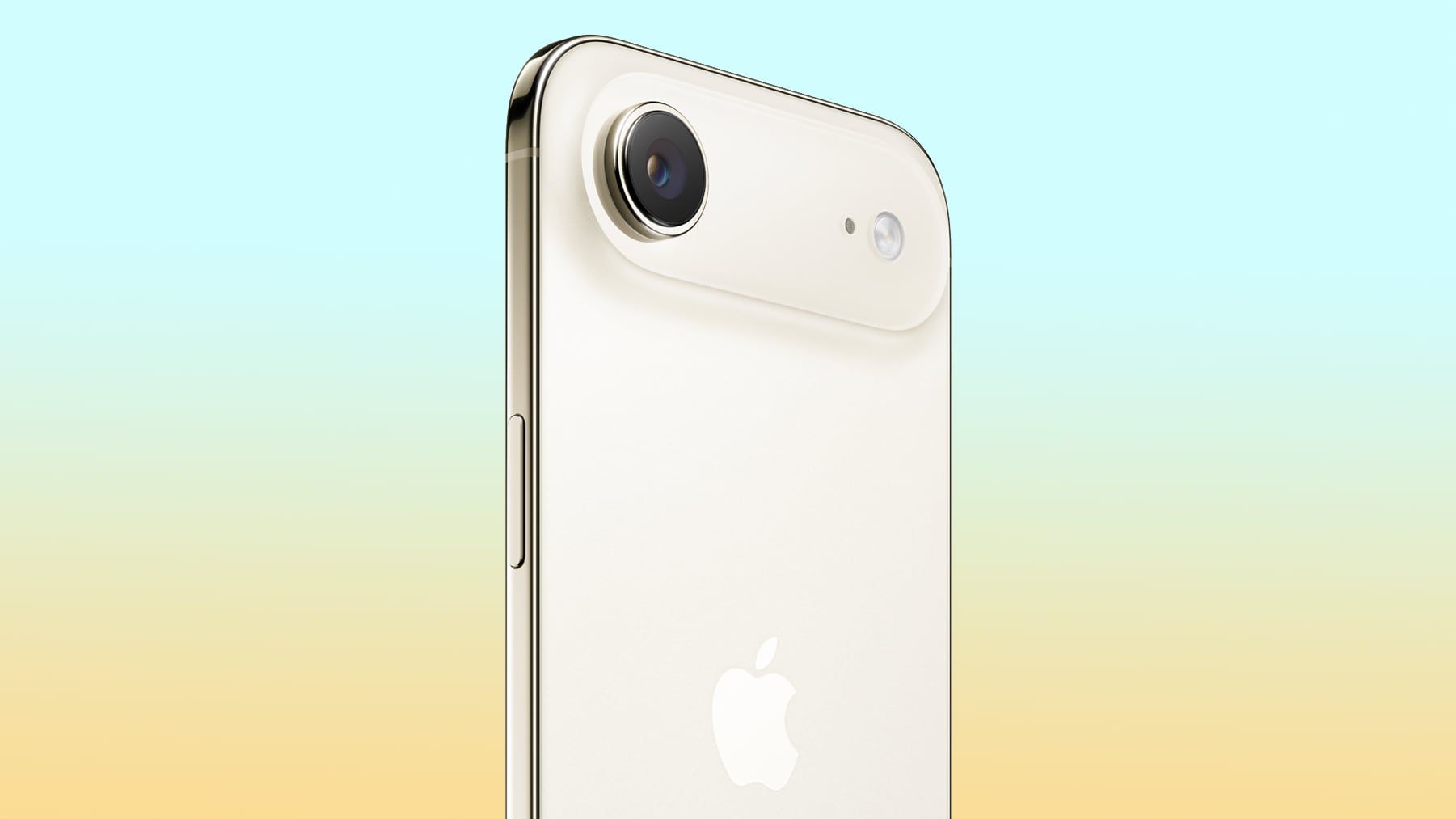
In the face of underwhelming sales figures for the original iPhone Air, Apple remains steadfast in its commitment to release a second-generation model, the iPhone Air 2. This decision underscores the company’s dedication to innovation and its belief in the potential of the Air series, even amidst market skepticism.
Background on iPhone Air’s Performance
Launched in September 2025, the iPhone Air was introduced as Apple’s ultra-thin smartphone offering. Despite its sleek design and advanced features, the device did not resonate as expected with consumers. Reports indicate that suppliers reduced production capacity by over 80% between the launch and the first quarter of 2026. Manufacturing partners like Luxshare ceased production in October, with Foxconn following suit by December. Such drastic production cuts highlight the device’s struggle to gain traction in the competitive smartphone market.
Apple’s Commitment to the Air Series
Despite these challenges, a reputable leaker known as Fixed Focus Digital has revealed that Apple is determined to proceed with the iPhone Air 2. The leaker stated, The Air 2 will proceed with its standard product iteration cycle; no matter how abysmal the sales turn out to be, Apple will grit its teeth and push through with at least two generations… This assertion suggests that Apple is not only committed to the Air series but is also willing to invest in its development to realize its vision for the product line.
Anticipated Features and Enhancements
To address the shortcomings of the original iPhone Air, Apple is reportedly considering several significant upgrades for the iPhone Air 2:
– Dual Rear Camera System: One of the primary criticisms of the original model was its single-lens camera. To enhance photographic capabilities, Apple is exploring the addition of a second rear camera. This setup would likely include a 48-megapixel Fusion Ultra Wide lens alongside the existing 48-megapixel Fusion Main camera, aligning the Air 2’s capabilities more closely with other models in the iPhone lineup.
– Improved Battery Life: The ultra-thin design of the original iPhone Air necessitated compromises in battery capacity. For the Air 2, Apple aims to incorporate a larger battery, ensuring longer usage times without sacrificing the device’s slim profile.
– Advanced Cooling System: To manage heat more effectively, especially during intensive tasks, the iPhone Air 2 is expected to feature a vapor chamber cooling system. This technology is designed to dissipate heat more efficiently, maintaining optimal performance.
– Weight Reduction: Despite adding new features, Apple is focused on making the iPhone Air 2 even lighter than its predecessor, enhancing portability and user comfort.
– Enhanced Processing Power: The inclusion of Apple’s A20 chip is anticipated, promising faster processing speeds and improved energy efficiency. Additionally, the C2 chip is expected to enhance connectivity and overall device performance.
– Thinner Face ID Module: To further streamline the device’s design, Apple is reportedly developing a thinner Face ID module, contributing to the Air 2’s sleek aesthetic.
Market Strategy and Release Timeline
Apple’s decision to continue with the iPhone Air series, despite initial setbacks, reflects a strategic approach to product development. By addressing the criticisms of the original model and introducing substantial improvements, Apple aims to reposition the Air 2 as a competitive option in the smartphone market.
The release strategy for the iPhone Air 2 is also noteworthy. While the standard iPhone 18 is expected to be an incremental update with features like the A20 and C2 chips, 12GB of memory, a 24-megapixel front-facing camera, and a simplified Camera Control button, the Air 2 is poised to offer a distinct alternative for consumers seeking a combination of ultra-thin design and robust functionality.
Apple is reportedly planning to deviate from its traditional annual September release cycle. The iPhone 18 Pro, iPhone 18 Pro Max, and a foldable iPhone are anticipated to launch in the fall of 2026. In contrast, the iPhone Air 2, along with the standard iPhone 18 and iPhone 18e, is expected to debut in the spring of 2027. This staggered release schedule may allow Apple to focus marketing efforts and resources more effectively, potentially boosting the success of each model.
Conclusion
Apple’s unwavering commitment to launching the iPhone Air 2, despite the original model’s lackluster performance, highlights the company’s dedication to innovation and its confidence in the Air series. By addressing previous shortcomings and introducing significant enhancements, Apple aims to redefine consumer expectations and solidify the iPhone Air 2’s position in the competitive smartphone landscape.