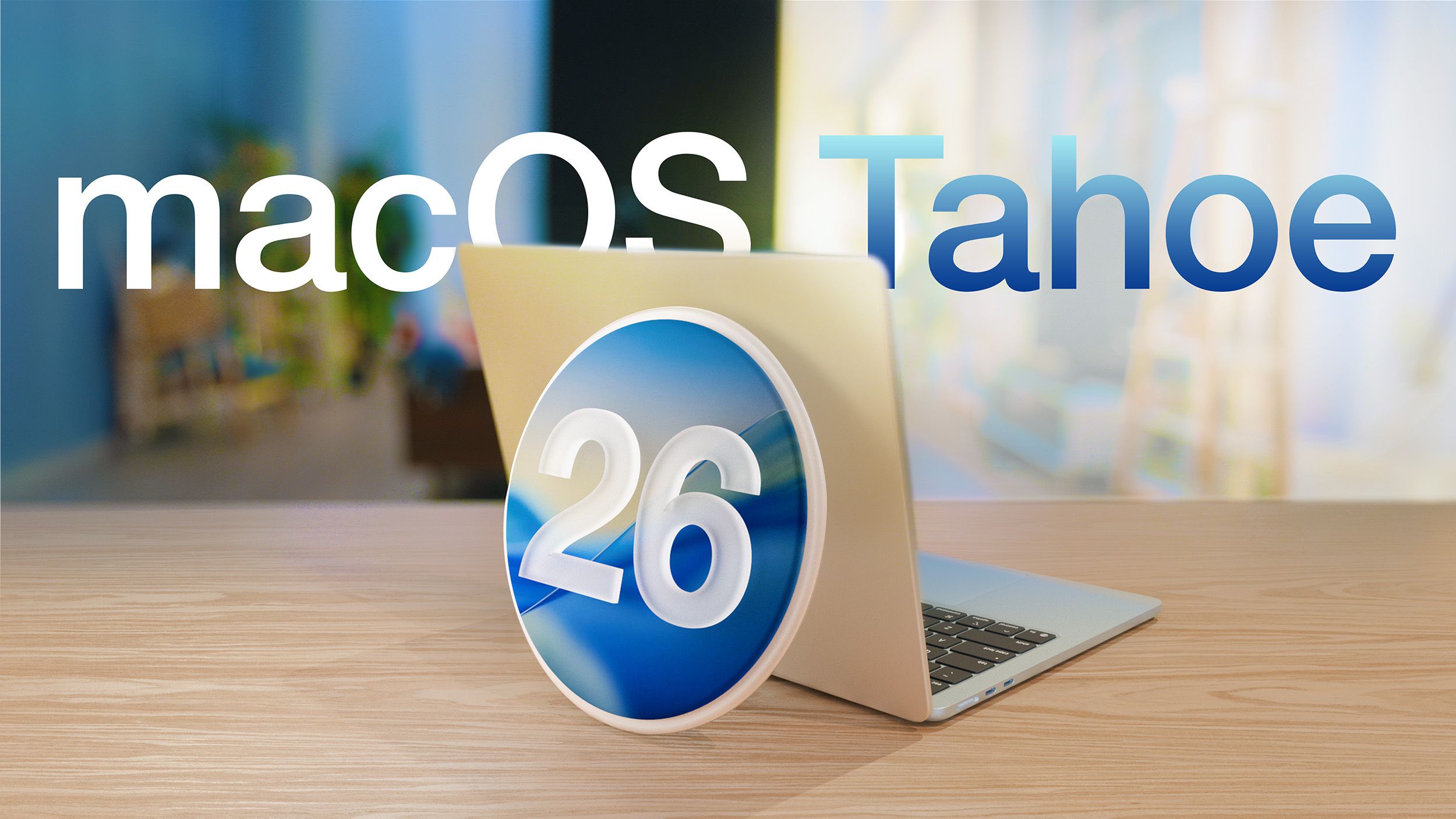
Apple Releases Fourth Beta of macOS Tahoe 26.4 with New Features and Enhancements
On March 9, 2026, Apple introduced the fourth beta of the upcoming macOS Tahoe 26.4 update, marking a significant step in the software’s development. This release arrives just a week after the third beta, underscoring Apple’s commitment to refining the macOS experience.
Accessing the Beta:
Developers eager to explore the latest features can download the macOS Tahoe 26.4 beta by navigating to the System Settings app, selecting the General category, and choosing Software Update. It’s essential to enable Beta Updates and possess a free developer account to access this version.
Key Features and Enhancements:
1. Charge Limit Feature:
A notable addition in macOS Tahoe 26.4 is the Charge Limit feature, allowing users to set a maximum charge level between 80% and 100%. This functionality aims to prolong battery lifespan by preventing overcharging, a concern for many Mac users.
2. Safari’s Compact Tab Layout:
Responding to user feedback, Apple has reinstated the Compact tab layout in Safari. This design offers a streamlined browsing experience, catering to those who preferred the earlier tab arrangement.
3. Rosetta 2 Support Warnings:
For users operating Apple silicon Macs with applications dependent on Rosetta 2, macOS Tahoe 26.4 introduces warnings about the impending end of Rosetta support. Apple has announced plans to phase out Rosetta after macOS Tahoe 27, urging developers to update their applications accordingly.
Implications for Intel-Based Macs:
It’s noteworthy that macOS Tahoe is slated to be the final version supporting Intel-based Macs. Apple is actively working to eliminate lingering Intel features, signaling a complete transition to Apple silicon. Users of Intel Macs should be aware of this shift and plan for future compatibility considerations.
Public Release Timeline:
Apple anticipates releasing macOS Tahoe 26.4 to the general public in the spring, following several weeks of beta testing. This period allows for the identification and resolution of potential issues, ensuring a stable and polished final release.
Additional Context:
The Charge Limit feature aligns with Apple’s broader initiative to enhance device longevity and user control over hardware settings. By allowing users to set a maximum charge level, Apple addresses concerns about battery health degradation over time.
The reintroduction of Safari’s Compact tab layout reflects Apple’s responsiveness to user preferences. The Compact layout, which consolidates tabs into a more space-efficient design, was missed by many users after its removal in earlier versions. Its return demonstrates Apple’s commitment to providing customizable user experiences.
The warnings about Rosetta 2 support are part of Apple’s strategic move to transition fully to Apple silicon. Rosetta 2 has been instrumental in allowing Intel-based applications to run on Apple silicon Macs. However, with the planned phase-out after macOS Tahoe 27, developers are encouraged to update their applications to ensure compatibility with future macOS versions.
For users of Intel-based Macs, the announcement that macOS Tahoe will be the last version supporting their hardware is significant. This move underscores Apple’s focus on its proprietary silicon and suggests that future macOS updates will be optimized exclusively for Apple silicon Macs. Users should consider this in their long-term planning, especially if they rely on Intel-based applications or workflows.
The beta testing phase is crucial for refining the update. Developers and public beta testers play a vital role in identifying bugs and providing feedback, ensuring that the final release is robust and user-friendly. Apple’s iterative approach, releasing multiple beta versions, highlights its dedication to quality and user satisfaction.
In summary, the fourth beta of macOS Tahoe 26.4 introduces significant features aimed at enhancing user experience and preparing for future transitions. The Charge Limit feature offers users greater control over battery health, the return of Safari’s Compact tab layout caters to user preferences, and the Rosetta 2 support warnings signal a pivotal shift towards Apple silicon. As Apple continues to innovate and refine its operating system, users can anticipate a more integrated and efficient macOS environment.