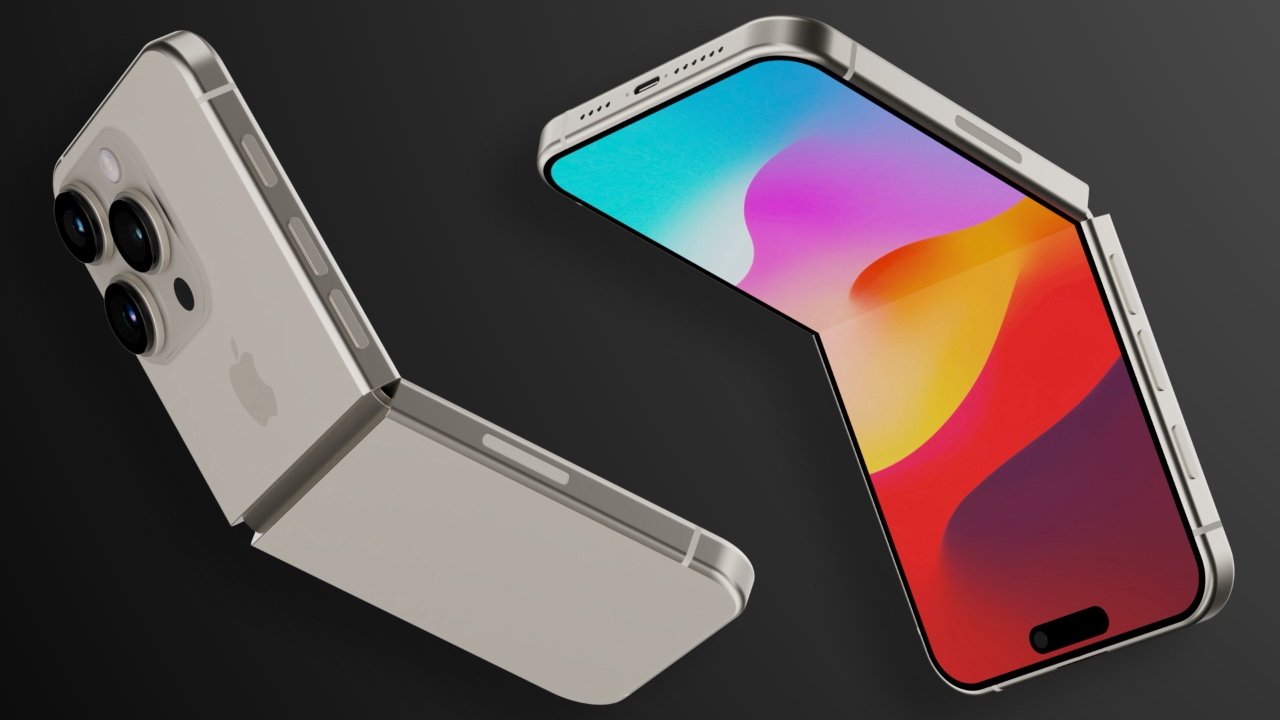
Apple’s iPhone development roadmap runs several years into the future, and the company is continually working with suppliers on several successive iPhone models at the same time, which is why we often get rumored features months ahead of launch. The iPhone 18 series is no different, and we already have a good idea of what to expect for the iPhone 18 Pro and iPhone 18 Pro Max.
One thing worth noting is that Apple is reportedly planning a major change to its iPhone release cycle this year, adopting a two-phase rollout starting with the iPhone 18 series. That means the iPhone 18 Pro, iPhone 18 Pro Max, and iPhone Fold will be released in September 2026, followed by the iPhone 18 and iPhone 18e in spring 2027.
Overall Design
Retaining Familiar Aesthetics
The iPhone 18 Pro lineup is expected to maintain the design language introduced with the iPhone 17 Pro models. This includes the distinctive rear camera system featuring a raised plateau housing three lenses arranged in a triangular formation. Display sizes are anticipated to remain consistent, with the iPhone 18 Pro and iPhone 18 Pro Max sporting 6.3-inch and 6.9-inch panels, respectively. However, Apple may refine the rear casing to achieve a more seamless aesthetic by minimizing the color difference between the Ceramic Shield 2 glass and the aluminum frame, resulting in a unified appearance.
Thicker Chassis for Enhanced Battery Life
Reports suggest that the iPhone 18 Pro Max will feature a slightly thicker body compared to its predecessor, potentially increasing the device’s weight to approximately 243 grams. This design adjustment is likely aimed at accommodating a larger battery, thereby extending the device’s battery life—a crucial factor for users who demand prolonged usage without frequent recharging.
Smaller Dynamic Island and Under-Display Face ID
Evolving the Front-Facing Experience
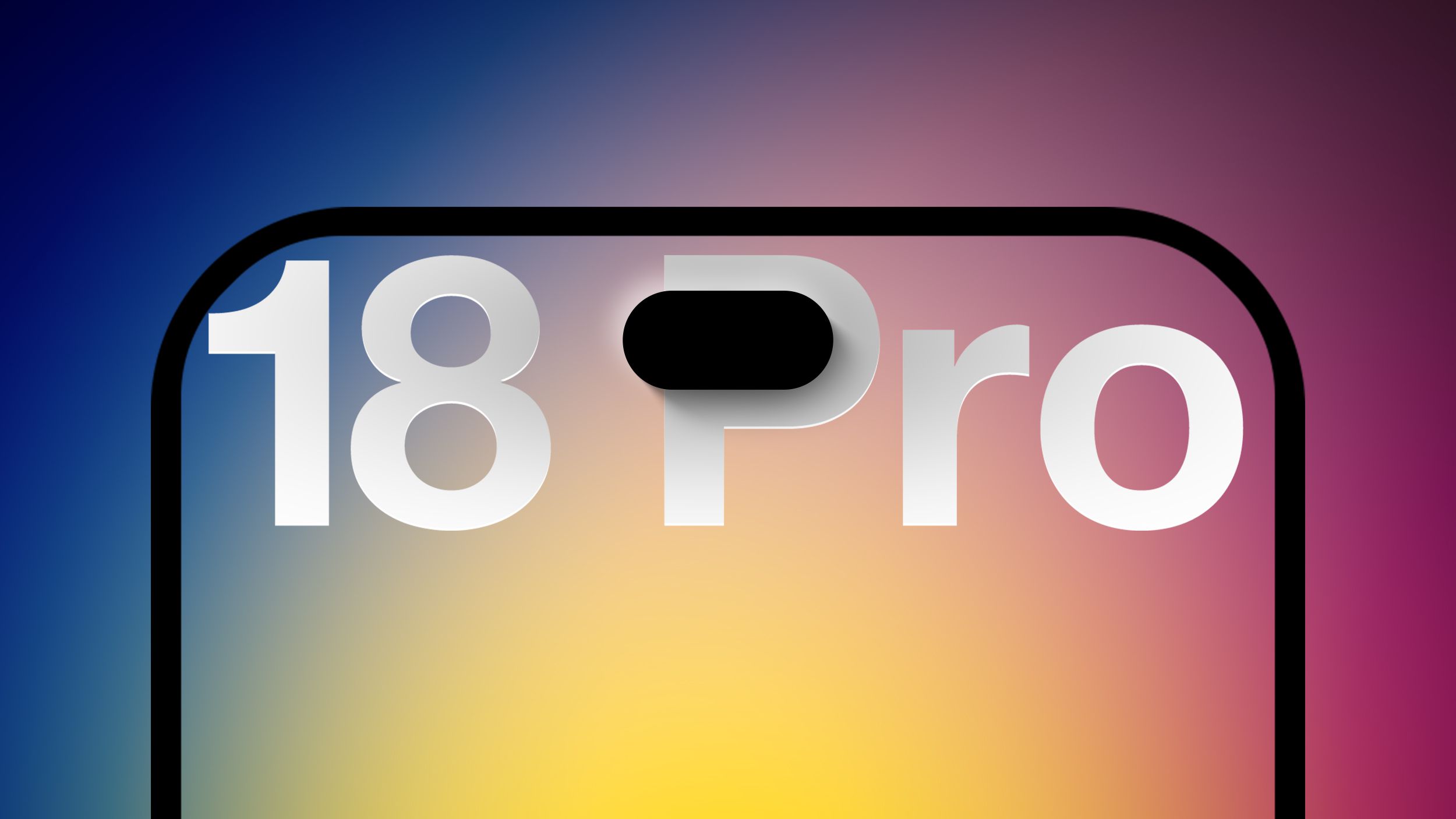
Apple is reportedly working on reducing the size of the Dynamic Island on the iPhone 18 Pro models. The Dynamic Island cutout is expected to be approximately 35% narrower than on the iPhone 17 Pro models, with a width of around 13.5mm, down from around 20.7mm. This reduction is attributed to advancements in camera miniaturization technology. While some sources suggest that under-display Face ID could debut with the iPhone 18 Pro, opinions vary. Display analyst Ross Young believes that under-display Face ID is possible for the iPhone 18 Pro but says a smaller Dynamic Island will still be present. Bloomberg’s Mark Gurman has echoed this view, reporting that the new models will feature a slimmed-down Dynamic Island rather than removing it entirely. Overall, the consensus suggests Apple may be refining the Dynamic Island before fully transitioning to an all-screen design in future generations.
A20 Pro Chip with 2nm Process
Next-Level Performance and Efficiency
The iPhone 18 Pro models are set to be powered by Apple’s A20 chip, fabricated using TSMC’s 2nm process. This advancement is expected to deliver approximately a 15% increase in speed and about 30% better efficiency compared to the A19 series used in the iPhone 17 models. The A20 chip will also incorporate TSMC’s Wafer-Level Multi-Chip Module (WMCM) technology, integrating RAM directly onto the same wafer as the CPU, GPU, and Neural Engine. This integration is anticipated to enhance overall performance and support advanced Apple Intelligence features, while also contributing to longer battery life through improved power efficiency.
C2 Modem: Apple’s In-House Cellular Solution
Reducing Dependence on Third-Party Suppliers
Apple plans to include its next-generation C2 modem in the iPhone 18 Pro models. This chip will succeed the C1 modem, which debuted in the lower-cost iPhone 16e as Apple’s first in-house cellular modem. The C2 is expected to bring faster speeds, improved power efficiency, and support for mmWave 5G in the United States—a feature missing from the C1. This move aligns with Apple’s long-term strategy to reduce reliance on Qualcomm, aiming for deeper integration and greater control over power management and performance.
Advanced Camera Capabilities
Samsung’s Three-Layer Stacked Image Sensor
Samsung is reportedly developing a new three-layer stacked image sensor, referred to as PD-TR-Logic, intended for the iPhone 18. This sensor integrates three layers of circuitry, which would improve camera responsiveness, reduce noise, and increase dynamic range. The leak comes from a source known as Jukanlosreve, who claims the sensor is being developed specifically for Apple’s 2026 iPhone lineup. Sony has long been Apple’s sole image sensor supplier, so Samsung’s entry would be a significant shift in the iPhone’s camera supply chain.
Variable Aperture for Enhanced Photography
Apple intends to equip the iPhone 18 Pro models with a variable aperture lens, according to reports. The main rear camera—what Apple calls the 48-megapixel Fusion camera—on both iPhone 18 Pro models will offer variable aperture, which would be a first for the iPhone. A variable-aperture system physically adjusts the lens opening, letting more light in for low-light shots or narrowing the opening for brighter scenes and deeper depth of field. This feature would provide users with more control over depth of field, enabling sharper focus on subjects or smoother background blur, similar to DSLR cameras.
5G Satellite Internet Connectivity
Expanding Network Reach Beyond Terrestrial Towers
According to a report by The Information, Apple plans to add support for 5G networks that operate via satellites rather than Earth-based towers as early as next year. This advancement would allow future iPhones to gain full internet connectivity through satellite, not just limited emergency features. If Apple meets the 2026 target, the first devices to feature 5G satellite internet would likely be the iPhone 18 Pro, iPhone 18 Pro Max, and the long-rumored foldable iPhone. Apple partners with Globalstar for its iPhone satellite features, but there is currently no service that delivers full 5G satellite internet directly to a smartphone, and the report did not specify who would supply it.
Simplified Camera Control Button Design
Enhancing User Experience and Reducing Costs
Apple is reportedly working to simplify the Camera Control button’s design on iPhone 18 models in order to reduce costs. The current Camera Control button on iPhone 17 models uses both capacitive and pressure sensors beneath a sapphire crystal surface. The capacitive layer detects touch gestures, while the force sensor recognizes different pressure levels for taps, presses, and swipes. However, according to the Weibo-based account Instant Digital, Apple will remove the capacitive sensing layer and retain only pressure sensing recognition in the second iteration to achieve all Camera Control functions on the iPhone 18. The simplified version is not about reducing functionality in the button, but about saving money. The current solution is said to be very expensive for Apple and is generating costly after-sales repairs.
New Color Options
Fresh Aesthetics to Appeal to Diverse Tastes
Apple is rumored to be testing three new color options for the iPhone 18 Pro models: burgundy, brown, and purple. A burgundy finish would mark the first time the Pro and Pro Max models have been offered in any shade of red, apart from the lighter (PRODUCT)RED used on earlier devices. The iPhone 14 Pro and iPhone 14 Pro Max were previously available in Deep Purple, and Apple has never released an iPhone in a genuinely brown color. These new color options aim to provide consumers with more choices to match their personal style preferences.
Conclusion
The iPhone 18 Pro is shaping up to be a significant upgrade, offering a blend of design refinements, performance enhancements, and innovative features. From a slimmer Dynamic Island and under-display Face ID to the powerful A20 chip and advanced camera capabilities, these anticipated improvements make a compelling case for waiting for the iPhone 18 Pro’s release. As always, while these features are based on current rumors and reports, Apple’s official announcements will provide the definitive details.