Apple’s Foldable iPhone: A Comprehensive Overview of Leaks, Specs, and Pricing
Apple is poised to make a significant entry into the foldable smartphone market with its first foldable iPhone, anticipated for release in 2026. This move marks a pivotal shift in Apple’s design philosophy, aiming to blend innovation with functionality. Drawing from various credible sources, here’s an in-depth look at what we know so far about this groundbreaking device.
Design and Display
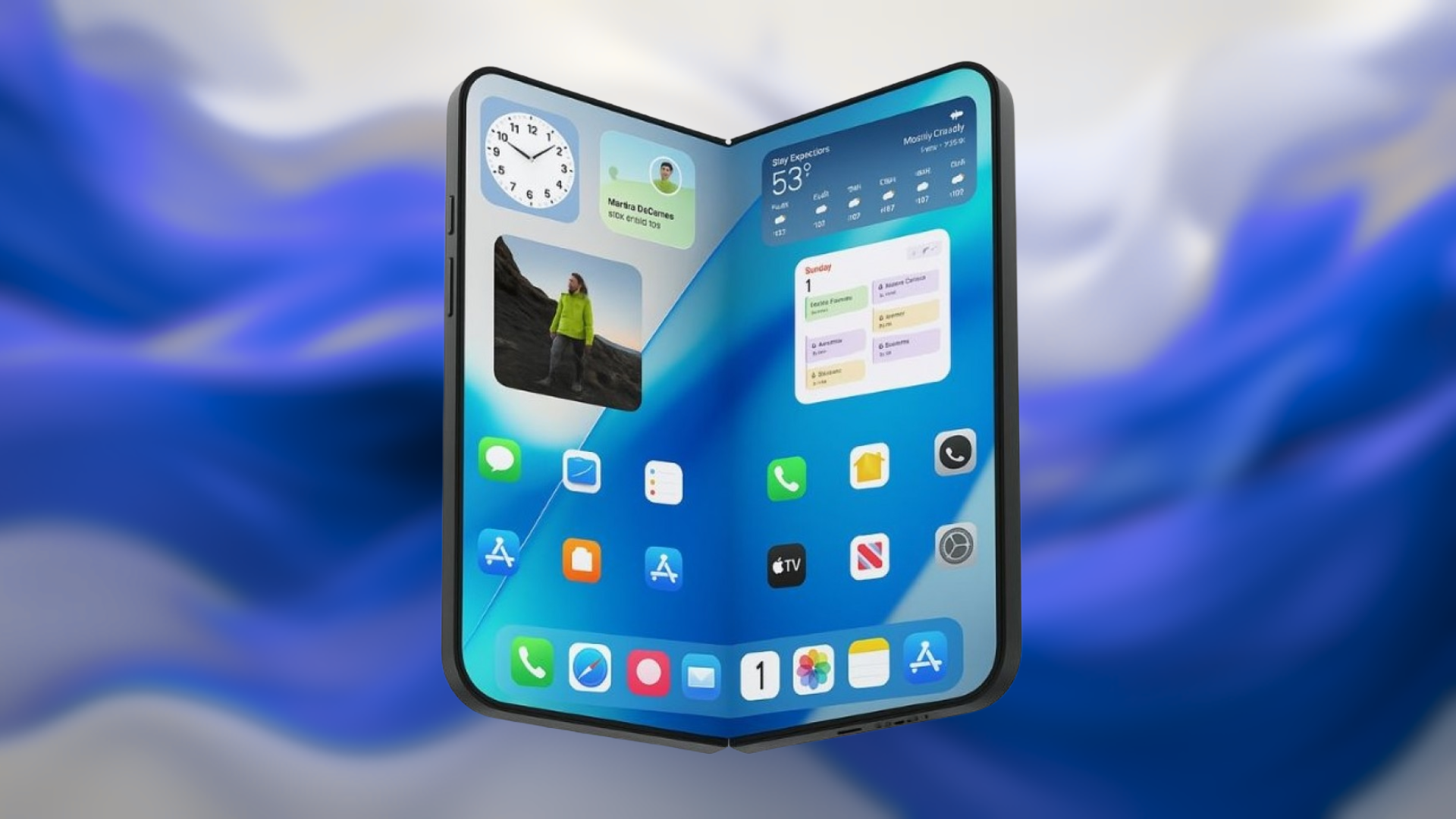
The foldable iPhone is expected to adopt a book-style folding mechanism, similar to existing models like the Samsung Galaxy Z Fold. This design allows the device to open horizontally, providing a larger display area when unfolded. Reports suggest the device will measure approximately 9 to 9.5 mm in thickness when folded and slim down to 4.5 to 4.8 mm when unfolded, making it one of the thinnest foldable phones on the market.
The device will feature a dual-display setup:
– Outer Display: Approximately 5.5 inches, serving as the primary interface when the device is folded.
– Inner Display: Around 7.8 inches, transforming the device into a tablet-like experience when unfolded.
Apple is reportedly testing advanced display technologies to eliminate the common crease issue found in current foldable screens. By utilizing a metal plate to distribute stress during folding and incorporating liquid metal in the hinge mechanism, Apple aims to deliver a seamless and durable display experience.
Materials and Build
Durability and weight are critical considerations for foldable devices. Apple plans to construct the foldable iPhone’s chassis using a combination of titanium and aluminum. This hybrid approach seeks to balance strength and lightness, ensuring the device remains robust without being cumbersome. The hinge, a vital component in foldable devices, is expected to be reinforced with liquid metal, enhancing its durability and longevity.
Camera System
Photography enthusiasts can look forward to a sophisticated camera setup on the foldable iPhone. The device is rumored to feature a dual-lens rear camera system, comprising Wide and Ultra Wide lenses. Additionally, it will house two front-facing cameras, accessible in both folded and unfolded states, ensuring versatility for selfies and video calls. Innovations such as under-display camera technology for the inner screen and a hole-punch camera on the outer display are also being explored to maximize screen real estate.
Biometric Authentication
In a nod to user preferences and design constraints, Apple is expected to reintroduce Touch ID via a side-mounted sensor on the foldable iPhone. This decision likely stems from the internal space limitations that make integrating Face ID challenging in the foldable design. The side-mounted Touch ID offers a convenient and reliable method for unlocking the device and authenticating transactions.
Performance and Hardware
Under the hood, the foldable iPhone is anticipated to be powered by Apple’s A20 Pro chip, built on TSMC’s 2nm process. This advancement promises enhanced performance and energy efficiency. The A20 Pro chip is expected to integrate RAM directly onto the same wafer as the CPU, GPU, and Neural Engine, reducing latency and optimizing internal space. Connectivity-wise, the device will likely feature Apple’s in-house C2 modem, ensuring robust and efficient wireless communication.
Battery Life
Battery performance is a crucial aspect of any smartphone, more so for foldable devices with larger displays. Leaks suggest that the foldable iPhone will house a battery exceeding 5,500 mAh, potentially surpassing competitors like the Samsung Galaxy Z Fold 7, which features a 4,400 mAh battery. This substantial capacity indicates Apple’s commitment to delivering a device that can handle intensive tasks and prolonged usage without frequent recharging.
Color Options
Apple is known for offering a variety of color options to cater to diverse consumer preferences. While specific color choices for the foldable iPhone remain under wraps, reports indicate that Apple is testing multiple finishes. This approach suggests that the company aims to provide a range of aesthetic options to appeal to a broad audience.
Pricing Strategy
Entering the foldable market positions Apple in the premium segment, and the pricing reflects this strategy. Estimates place the foldable iPhone’s price between $2,000 and $2,500, with some reports suggesting a figure around $2,399. This pricing aligns with the high-end components and innovative design elements incorporated into the device. However, it also means that the foldable iPhone will be one of the most expensive smartphones available, targeting consumers seeking cutting-edge technology and design.
Production Timeline and Launch Window
Apple’s development timeline for the foldable iPhone indicates that hardware specifications are expected to be finalized by the end of the second quarter of 2025. Mass production is slated to commence in late 2026, with a potential market launch by the end of that year or early 2027. This schedule suggests that Apple is taking a meticulous approach to ensure the device meets its high standards for quality and performance.
Conclusion
The foldable iPhone represents a significant leap in Apple’s smartphone evolution, blending innovative design with advanced technology. While the company has yet to make an official announcement, the accumulation of leaks and reports paints a compelling picture of what consumers can expect. As the anticipated launch approaches, the tech community eagerly awaits to see how Apple will redefine the foldable smartphone landscape.