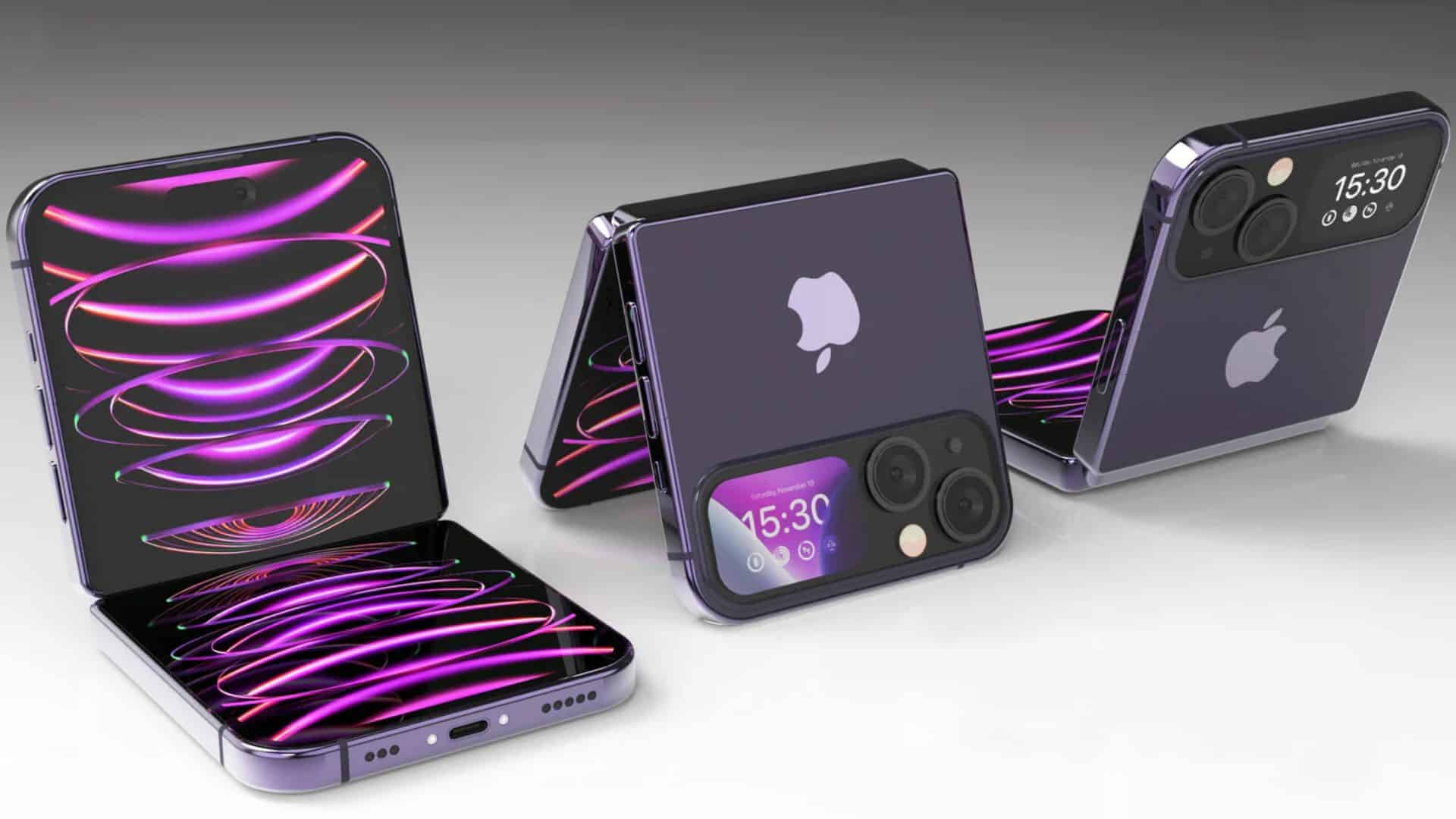
Apple’s iPhone Flip: A New Era in Foldable Technology
Apple is poised to make a significant entry into the foldable smartphone market, with recent leaks indicating the company is testing a clamshell-style device, commonly referred to as the iPhone Flip. This development suggests that Apple is exploring multiple foldable designs to cater to diverse consumer preferences.
Exploring the Clamshell Design
Traditionally, Apple’s foldable iPhone was anticipated to adopt a book-style design, unfolding horizontally to transform into a tablet-like device. However, the emergence of the clamshell design introduces a vertically folding mechanism, reminiscent of classic flip phones. This design emphasizes portability, allowing the device to compactly fit into pockets, appealing to users who prioritize convenience without compromising on functionality.
Insights from Industry Experts
Bloomberg’s Mark Gurman previously highlighted that Apple had a square, clamshell foldable under consideration, indicating the company’s interest in this form factor. Recent updates from Weibo leaker Fixed Focus Digital suggest that Apple has progressed to officially testing the ‘Flip’ style folding iPhone. The leaker noted, Not only is the fold being tested, but whether flip can reach mass production can be noticed, implying that while prototypes exist, mass production decisions are still pending.
Apple’s Foldable Roadmap
Apple’s approach to product development often involves rigorous testing of multiple designs before finalizing a product for the market. The current trajectory for Apple’s foldable devices appears as follows:
– iPhone Fold: Expected to launch in late 2026, this model is anticipated to feature a book-style foldable design with an inner display measuring approximately 7.7 to 7.8 inches.
– iPhone Flip: Currently in the internal testing phase, the clamshell design’s mass production status remains unconfirmed. If approved, its launch could be slated for 2027 or later.
The testing of both designs underscores Apple’s commitment to integrating foldable technology into its product lineup, signaling a strategic move to diversify its offerings and meet evolving consumer demands.
Technological Considerations
Developing a foldable iPhone presents several engineering challenges. Ensuring the durability of the folding mechanism, maintaining display integrity without visible creases, and optimizing software to adapt seamlessly between folded and unfolded states are critical factors. Apple’s collaboration with suppliers like Samsung Display aims to address these challenges, focusing on creating a crease-free panel and a robust hinge mechanism.
Market Implications
The introduction of a foldable iPhone could significantly impact the smartphone market. Competitors have already launched foldable devices, but Apple’s entry is expected to set new standards in design and functionality. The clamshell design, in particular, could attract users seeking a blend of nostalgia and modern technology, offering a compact device that unfolds into a full-sized smartphone experience.
Conclusion
While the iPhone Flip remains in the testing phase, its development reflects Apple’s proactive approach to innovation and responsiveness to market trends. As the company continues to refine its foldable technology, consumers can anticipate a new era of iPhones that combine portability with advanced features, potentially reshaping the landscape of mobile devices.