Apple’s Strategic Shift: Mac Mini Assembly and Chip Production Move to the U.S.
In a significant move to bolster domestic manufacturing, Apple has announced plans to commence assembly of its Mac mini computers in Houston, Texas, later this year. This initiative is part of Apple’s broader commitment to invest $600 billion in the United States by August 2029, aiming to strengthen its supply chain and reduce reliance on overseas production.
Mac Mini Assembly in Houston
Apple’s Chief Operating Officer, Sabih Khan, revealed that Foxconn will oversee the assembly of Mac mini units at its Houston facility. This U.S.-based production will primarily cater to the domestic market, while international demand will continue to be met through existing production lines in Asia. The Mac mini, a compact desktop computer, accounted for approximately 5% of Apple’s global Mac sales last year, according to Consumer Intelligence Research Partners. The 2024 redesign introduced the M4 and M4 Pro chips, enhancing performance and energy efficiency.
Advancements in U.S. Chip Fabrication
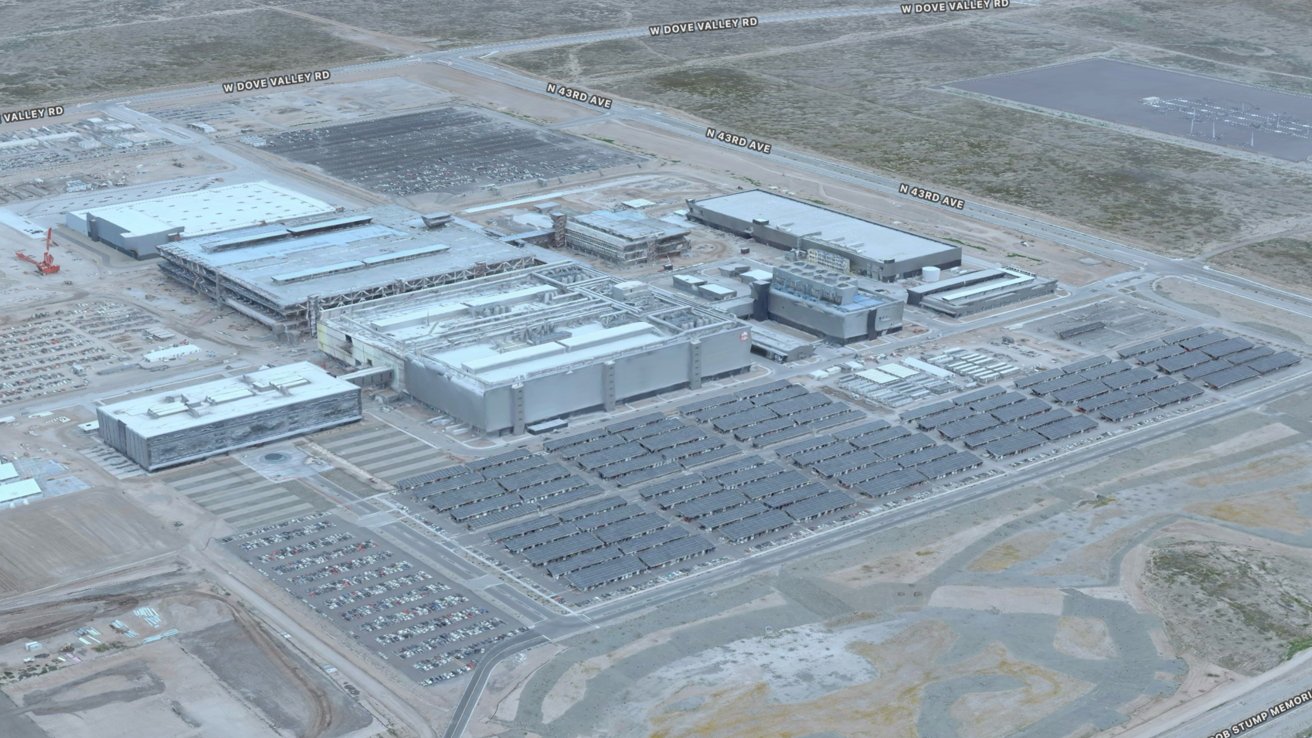
Parallel to the Mac mini assembly, Apple is making strides in domestic chip production. The company plans to source over 100 million chips from Taiwan Semiconductor Manufacturing Company’s (TSMC) Arizona facility this year. TSMC’s first U.S. plant in Phoenix began construction in 2020 and is set to start production in 2025, utilizing the N4 process, part of the 5-nanometer node family. This process is used in chips like the A16 Bionic, introduced in 2022 with the iPhone 14 Pro, and the S9 chip in the Apple Watch Ultra 2.
TSMC has also announced plans for a second Arizona plant to produce 3-nanometer chips, currently the most advanced node in mass production. However, this facility is not expected to begin operations until 2028, by which time Apple’s mainstream devices may have transitioned to even more advanced silicon.
Challenges and Future Prospects
Despite these advancements, the U.S. facilities are currently limited to producing older chip models, with the most advanced fabrication processes remaining exclusive to TSMC’s operations in Taiwan. This lag underscores the challenges in rapidly scaling up domestic chip production to meet the cutting-edge demands of Apple’s latest products.
To address these challenges, Apple has partnered with Amkor, a chip packaging company, to collaborate on chip production, packaging, and testing in Arizona. This partnership aims to accelerate the overall chip manufacturing process by leveraging the close proximity of TSMC’s fabrication facilities and Amkor’s packaging services.
Environmental Considerations
Apple’s commitment to environmental sustainability is evident in the design of the Mac mini. The device incorporates over 40% recycled content, including 100% recycled aluminum in the enclosure and thermal module, and 100% recycled rare earth elements in all magnets. Additionally, the Mac mini is ENERGY STAR certified, reflecting its energy efficiency.
Conclusion
Apple’s initiatives to assemble the Mac mini and produce chips domestically mark a significant step toward enhancing U.S. manufacturing capabilities. While challenges remain, particularly in achieving parity with Taiwan’s advanced chip production, these efforts demonstrate Apple’s commitment to supply chain diversification and environmental sustainability. As these projects progress, they are poised to contribute to the growth of the U.S. technology manufacturing sector and set a precedent for other companies to follow.